Should you rent or buy skis? Rent if you ski fewer than about ten days a year, fly to most of your skiing, or are still improving fast. Buy boots first once you reach ten days a year, and skis once you pass fifteen and your skiing has settled. In between, a season-long rental is the cheapest option in skiing, and the most overlooked.
That answer comes from arithmetic, not from the gear shop. Rental looks expensive by the day and ownership looks cheap by the year, and both impressions are wrong in ways that matter. Below are the real 2026/27 costs of each, a break-even table you can apply to your own day count, three worked examples and the one purchase that pays back far sooner than the rest. This page is the detailed version of the rent-or-buy section in our ski gear guide for beginners.
Rental prices come from published rate cards and Christy Sports’ own rental pages, checked 1 October 2026. Equipment prices are the ranges in our gear guide, checked 10 September 2026.
Is it cheaper to rent or buy skis?
Renting is cheaper for most people skiing fewer than ten days a year. A rental package costs roughly $35 to $55 a day, while a mid-range setup of skis, bindings, boots and poles costs about $1,200 before upkeep. Ownership only becomes cheaper once you ski enough days, for enough seasons, on the same gear.
To make the comparison fair, the ownership column below spreads a mid-range setup across five seasons: about $650 for skis and bindings, $500 for boots and $60 for poles, or $1,210 in all. It then adds a shop wax and tune roughly every five ski days at $30 to $60 a visit. Five seasons is an assumption, not a promise. Skis last longer than that for some people, and much less for anyone whose skiing is changing fast.
| Days a season | Daily rental (about $45 a day) | Basic season rental (from about $259 with damage cover) | Owning (mid-range setup over five seasons, plus upkeep) |
|---|---|---|---|
| 5 | $225 | $259 | $287 |
| 10 | $450 | $259 | $332 |
| 15 | $675 | $259 | $377 |
| 25 | $1,125 | $259 | $467 |
Three things jump out of that table. Daily rental is the cheapest option only at very low day counts. A basic season rental beats daily rental from about six days a season, and on cash alone it beats owning at almost any day count. And ownership beats daily rental much sooner than most people expect, provided the gear really does stay right for five seasons. That last condition is where the argument actually lives.
What renting really costs in 2026/27
| Rental option | Typical price | What to know |
|---|---|---|
| Daily package: skis, boots, poles | $35–$55 a day | 10–20% less booked online in advance; Christy Sports takes 20% off reservations made 24 hours or more ahead |
| Weekly package | $300–$500 | Shops in the valley town routinely run 20–40% below base-area prices |
| Children’s package | $25–$35 a day | Season-long children’s programs are cheaper still |
| Season rental | From $239 adult and $99 for kids last winter, at Christy Sports | Tuning and size swaps included; 2026/27 prices vary by region |
| Helmet | About $10 a day | A $60–$200 helmet pays for itself in about a week |
| Damage protection | $5 a day, or $20 for a whole season, at Christy Sports | Covers breakage and damage, nothing else |
There are discounts if you know where to look. Epic Pass holders get 20% off equipment rentals at Vail Resorts’ own mountains through Epic Mountain Rewards, and pass holders who own skis also get a free wax and half price on one basic tune each season. Colorado’s $76 kids’ Ski Passport includes two free junior daily rentals from Christy Sports, which our best ski pass for families guide covers.
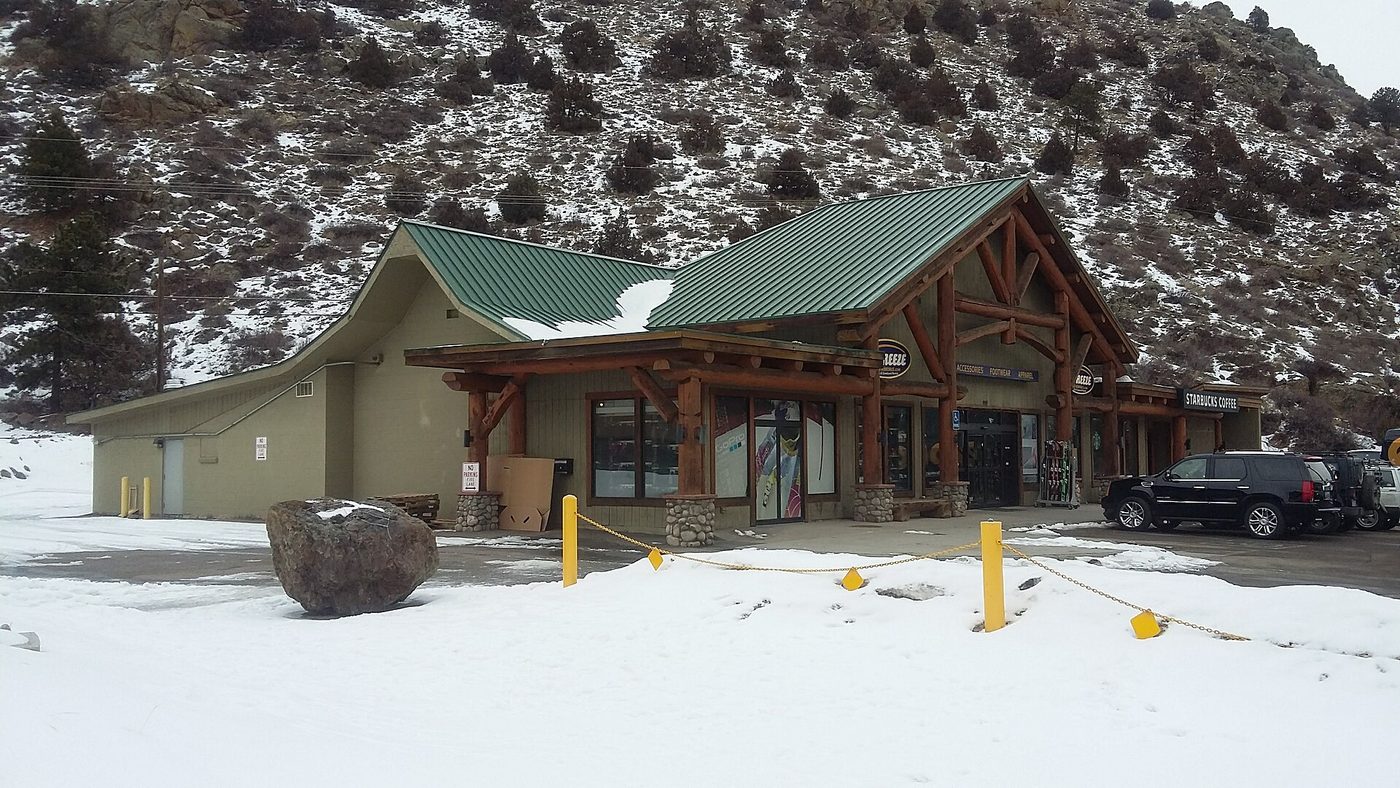
Rental has costs that never appear on the rate card. The first is time. A base-area rental shop at 8:30 on a Saturday is a queue, a form and a fitting done in a hurry, and the first lift of the day has gone by the time you’re out. The second is fit. Rental boots come in whole sizes, have been packed out by hundreds of feet before yours, and are rarely quite right. If they hurt, take them back at lunchtime; shops expect it and swap them free. The third is performance. Basic packages are tuned for beginners and cautious intermediates, so a stronger skier who wants a decent ski pays for a demo or performance tier.
All three are fixable. Book online, pick up in town the evening before, and ask for the shop’s boot fitter by name if it has one.
What owning really costs
The purchase is the obvious part. These are the typical 2026/27 ranges from our gear guide:
| Item | Typical price new |
|---|---|
| Skis with bindings | $400–$900 |
| Boots | $300–$700 |
| Poles | $40–$120 |
| Helmet (bought separately, rented or owned) | $60–$200 |
The running costs are the part people forget:
- Wax and tune. Skis need wax every four to six days of skiing and an edge tune once or twice a season. A shop does both for $30 to $60. Doing it yourself takes $100 to $200 in tools and pays back after about ten tunes, and our guide to how to wax skis walks through it.
- Binding checks. Release settings should be checked by a shop, and bindings eventually age off the manufacturers’ indemnified lists, after which shops will refuse to adjust them. Our guide to ski bindings explains why that rule exists.
- Travel. Flying with skis means a checked bag each way, covered in detail below.
- Storage and hauling. A ski bag, space in the car or a roof box, and somewhere at home to keep it all.
Add those up and a mid-range setup kept for five seasons costs roughly $290 to $470 a year, depending on how much you ski. Keep it for two seasons and the same setup costs $650 to $830 a year. That gap, not the sticker price, is why the right answer depends so heavily on where you are as a skier.
How many days a year do you need to ski before buying pays off?
Somewhere between seven and seventeen, depending on how long the setup stays right for you. Kept five seasons, a mid-range setup beats daily rental from about seven days a year. If your skiing outgrows it in two seasons, the break-even rises to about seventeen days. A season rental beats both.
The arithmetic is simple enough to do on the back of a lift ticket. Divide the setup’s price by the number of seasons you’ll keep it, add about $9 a ski day for wax and tuning, and compare the total with daily rental at about $45 a day:
| You keep the setup for | Ownership cost per year | Beats daily rental from about |
|---|---|---|
| 2 seasons | $605 plus upkeep | 17 days a season |
| 3 seasons | $403 plus upkeep | 11 days a season |
| 5 seasons | $242 plus upkeep | 7 days a season |
This is why the usual advice to buy at “ten to fifteen days a year” is right for most people, even though the five-season maths says seven. Few skiers keep the same skis for five seasons in their first few years on snow, because the ski that suits a cautious intermediate is the wrong ski a year later. Once your skiing settles, the five-season row becomes realistic and ownership gets cheap quickly.
The season-rental caveat matters too. A basic season package, at around $259 with damage cover, undercuts owning at almost every day count. What ownership buys over a season rental isn’t money. It’s boots that fit, skis you chose and no visits to the rental counter. Those are good reasons, but they’re reasons, not savings.
Three skiers, three answers
The once-a-year flyer. One week in Utah every February, six ski days, flying in. Daily rental costs about $270 at $45 a day, or a weekly package of $300 to $500; booking ahead at a shop in town lands it near the bottom of that range. Owning costs about $300 a year spread over five seasons, plus $70 to $110 in bag fees for the round trip, plus the bag itself and the hauling. Verdict: rent the skis. If your feet are hard to fit, buy boots and carry them on the plane.
The weekend local. Twenty days a season at resorts within a drive. Daily rental would cost about $900. A basic season rental costs about $259, more for a performance package. Owning costs about $420 a year if the setup lasts five seasons, or about $785 if it lasts two. Verdict: buy boots now, rent skis for the season while you’re still improving, and buy skis once your skiing stops changing month to month.
The family of four. Two adults and two children, aged 8 and 11, skiing one week a year. Renting everything costs about $540 for the adults at $45 a day and about $360 for the children at $30, so roughly $900 for the week, less with advance booking. Verdict: rent everything. Children outgrow boots and skis almost every season, so buying for them only makes sense secondhand, and only if the family skis a lot. If the family skis locally on top of the trip, a children’s season rental, from $99 last winter at Christy Sports, is the best deal in this whole article. Our kids’ ski gear guide covers sizing, and the family ski trip cost breakdown puts rentals in the context of the whole week.
Should you buy ski boots before skis?
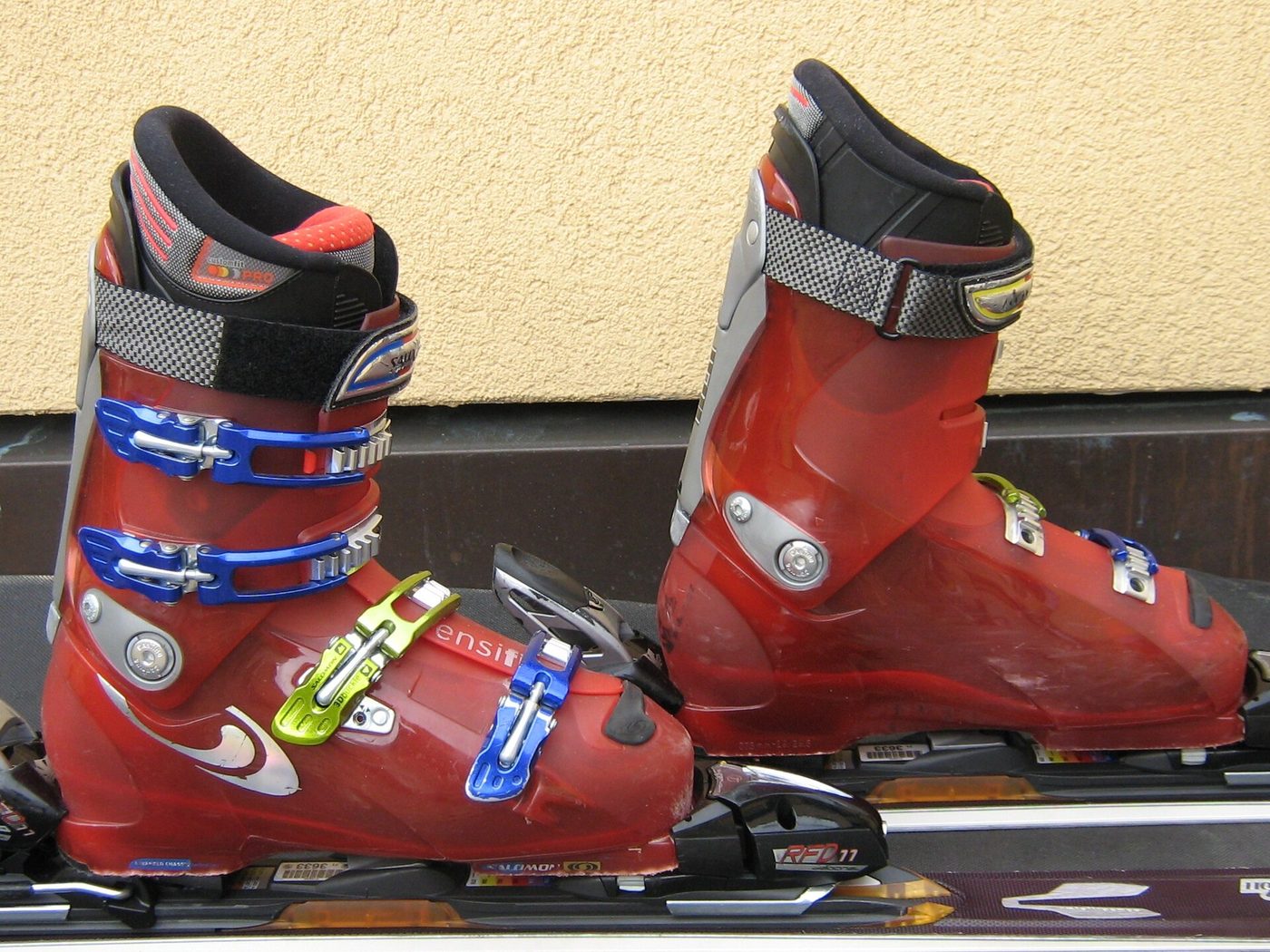
Yes. Boots are the piece of gear that most affects comfort and control, rental boots fit worst, and a good pair lasts several seasons while your choice of ski keeps changing. Buy boots from about ten days a year, keep renting or demoing skis, and carry the boots on the plane.
The case for boots first is mostly about your feet. A boot that fits holds your heel down, lets your shins drive the ski and doesn’t go numb by mid-morning. A rental boot almost never does all three. Skis are the opposite: a reasonable rental ski is fine for most of a skier’s first few seasons, and it’s the part of the setup that changes most as you improve.
Boots are also the part that’s easiest to travel with. TSA allows ski boots, helmets and goggles in carry-on bags, so a skier who owns boots can fly with them in the cabin and rent skis at the other end. Rental shops set their bindings to your own boots routinely, and Christy Sports, for one, sells ski-only packages: skis and poles, no boots.
Buy boots from a fitter, not off a website. Shell size, the width of the boot’s last, its flex and the liner all matter, and a fitter’s half hour is worth more than any review. Our guide to how to choose ski boots explains what they’ll measure and why.
Is a season rental worth it?
For anyone skiing ten or more days a year who isn’t ready to buy, usually yes. Christy Sports’ adult season packages started at $239 last winter with tuning and size swaps included, which is about five days of daily rental. Children, who outgrow gear yearly, benefit most.
A season rental, sometimes called a season lease, works like this. You pick up a package at the start of the winter, keep it until spring and bring it back. Christy Sports, which has more than 50 shops in Colorado, Utah, Montana and Washington, includes complimentary tuning and free size swaps, so a child who grows mid-season changes boots at no charge. Damage protection for the whole season costs $20. For 2026/27 Christy also bundles children’s season rentals with junior season passes: from $289 with a Loveland junior pass (ages 6 to 14) and from $343 with a Monarch junior pass (ages 7 to 12).
The catches are small but real. Adult packages come in tiers, from a sport package for beginners and intermediates to demo and premium ski-only options for stronger skiers, and Christy prices them by region, so check the shop near you. You return the gear in spring, which is the point for a growing child and a minor irritation for an adult. And a season package is still rental gear, so the boot-fit problem doesn’t go away; it’s one more argument for owning boots and leasing skis.
When should you buy your own skis?
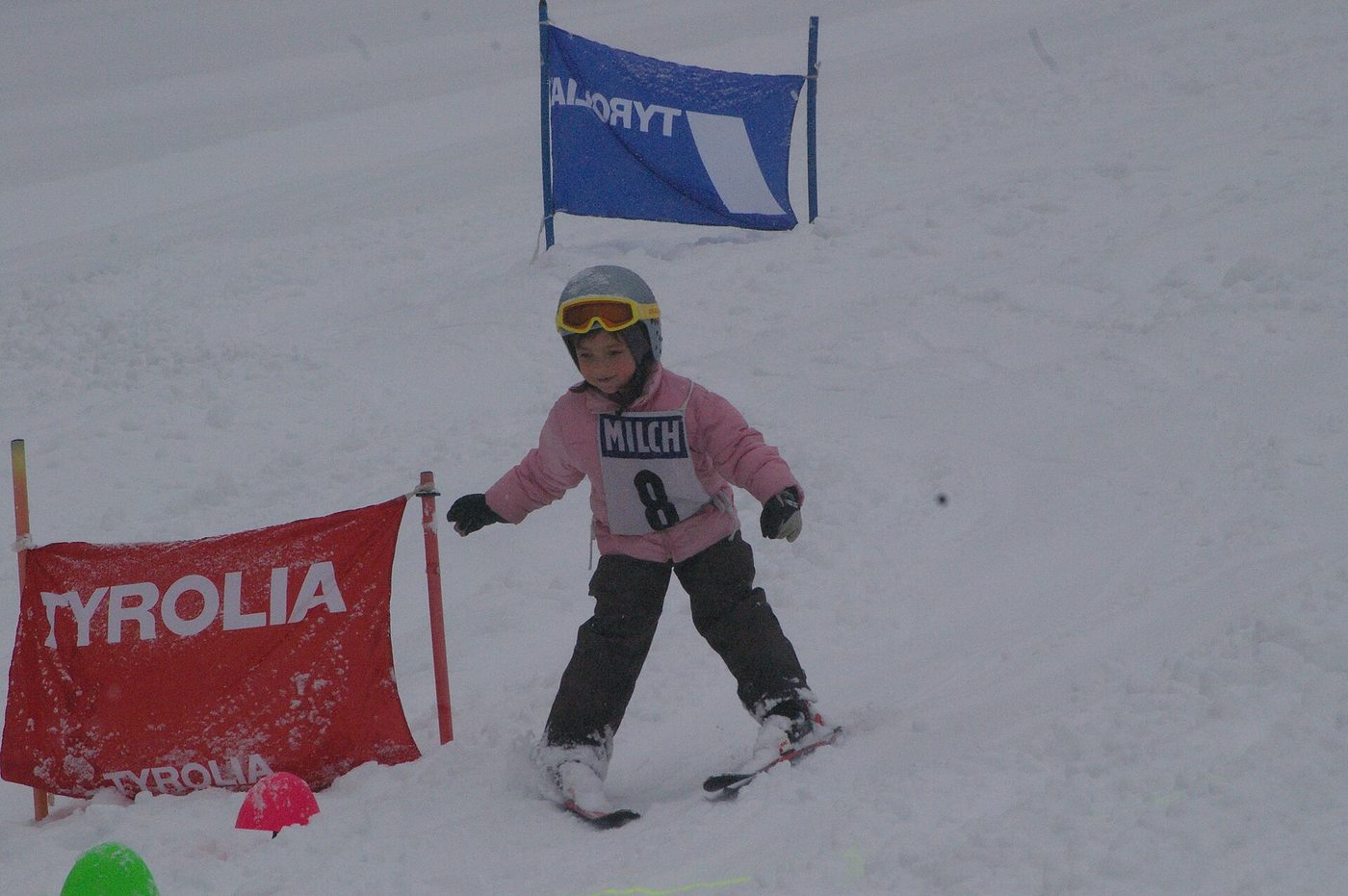
When three things are true: you ski fifteen or more days a year, your technique has stopped changing month to month, and you have demoed enough skis to know what you like. Until then, the ski that suits you in December may be wrong by March.
The professional instructors’ association, PSIA, describes skier ability in nine levels grouped into three zones: beginner (levels 1 to 3), intermediate (4 to 6) and advanced (7 to 9). The awkward time to buy skis is the climb through the intermediate zone, when your speed, terrain and turn shape all change from one trip to the next. Buy at the start of that climb and you’ll outgrow the ski. Buy once you’re settled near the top of it, skiing most of the mountain and choosing your own terrain, and a good all-mountain ski will last you for years.
Before buying, demo. Many shops rent current-season skis by the day, and skiing three different pairs across a week teaches you more than any review. When you’re ready, our guide to how to choose skis covers length, width and type.
Flying with your own skis: is it worth hauling them?
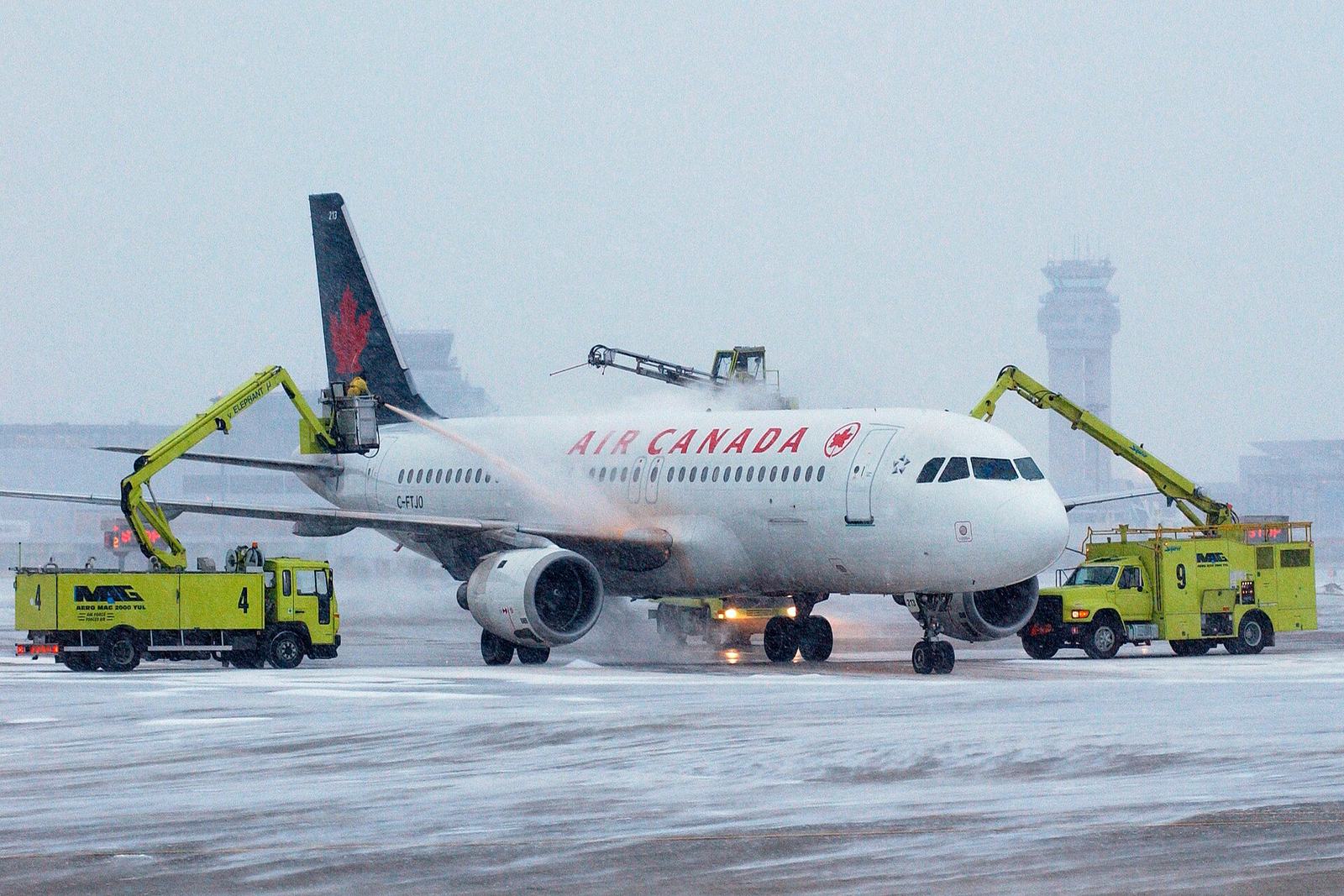
For one trip a year, rarely. United, Delta, American and Alaska all treat a ski bag plus a boot bag as one checked item at the ordinary bag fee, rather than an oversize charge, provided the combined weight is under 50 pounds. That fee rose across US carriers in April 2026, to roughly $35 to $50 for a first checked bag and $45 to $55 for a second, so skis add $70 to $110 to a round trip, depending on what else you check. Shipping is the alternative: Ship Skis starts at $39 one way, LugLess at $23, and Luggage Forward charges about $209 round trip with door pickup.
Two rules make the trip easier. Ski poles go in checked luggage only, because TSA doesn’t allow them in the cabin. Boots, helmet and goggles go in your carry-on, because they’re the hardest things to replace at a resort if a bag goes missing. A missing ski bag means renting skis for a day; a missing boot bag can mean a week in rental boots.
Run the numbers for your own trip. If you own skis and take two trips a year, bag fees of $140 to $220 can still come out ahead of renting performance skis for twelve days. If you take one, renting at the other end usually wins, and you skip the bag at baggage claim. Our guides to the best ski bag for travel and ski travel logistics cover packing, shipping and the airline small print.
How to buy without overpaying
If the numbers say buy, the timing decides how much. Ski gear runs on a predictable price cycle: new models arrive in autumn at full price, and the discounts arrive in spring and summer. Late-season demo sales, when shops clear ex-rental and ex-demo skis, typically run 40% to 60% off, and last year’s models sold online between June and August run 30% to 60% off. Our guide on when to buy ski gear on sale lays out the calendar.
Secondhand gear can save more, with two cautions. Have any used binding checked by a shop before you ski on it, and walk away from bindings old enough to have dropped off the manufacturers’ indemnified lists. And never buy used boots without trying them on, because a cheap boot that doesn’t fit is the most expensive thing in skiing. Our guide to buying used skis covers what to inspect.
The verdict, by skier type
- First season, or one week a year: rent everything, booked online in advance from a shop in town.
- Ten days a year and still improving: buy boots, rent skis by the day or for the season.
- Ten to twenty days a year, mostly local: a season rental for skis, owned boots, and buy skis once your skiing settles.
- Fifteen-plus days a year and settled: buy, ideally ex-demo in spring or last season’s model in summer.
- Flying to every trip: own boots and carry them on; rent skis unless you travel more than once a season.
- Children: rent, preferably a season rental with free size swaps.
The rent-or-buy question has one more twist worth remembering: it isn’t permanent. Most skiers move from renting everything, to owning boots, to owning everything over three or four seasons, and that’s the right order. For the rest of the kit, from helmets to goggles, go back to our ski gear guide.
Frequently asked questions
Is it worth buying skis if I only ski one week a year?
Usually not. A week of rental costs roughly $300 to $500, often less booked ahead in town, while owning means about $1,200 up front, upkeep and a checked bag each way. The exception is boots: if rental boots hurt you, owning a fitted pair and carrying them on is worth it even for one week.
How much does it cost to rent skis for a week?
Roughly $300 to $500 for a skis, boots and poles package in 2026/27, and 10% to 20% less if you book online in advance. Shops in the valley town routinely charge 20% to 40% less than base-area shops. Damage protection adds about $5 a day.
Is it cheaper to rent skis at the resort or in town?
In town, usually. Valley-town and highway-corridor shops routinely run 20% to 40% below base-area prices, and picking up the evening before saves the first-morning queue. The trade-off is convenience if something needs swapping mid-week.
Should I buy or rent a ski helmet?
Buy one. Helmets cost $60 to $200 new and about $10 a day to rent, so ownership pays for itself in about a week of skiing, and a helmet is personal equipment you won’t want to share. Our ski helmet guide covers safety standards and fit.
How long do skis last?
There’s no fixed number. Skis wear out as their edges and bases are ground away by tuning and damage, and their bindings eventually age off manufacturers’ indemnified lists. For most recreational skiers, the more common reason to replace skis is that their skiing has changed.
Should kids rent or own ski gear?
Rent. Children outgrow boots and skis almost every season. A season rental with free size swaps, from $99 for kids last winter at Christy Sports, is usually the cheapest option for a family skiing more than a week a year.
Can I rent skis and use my own boots?
Yes, and it’s one of the best setups for a skier who travels. Rental shops set their bindings to your boots, and many sell ski-only packages. Bring your boots in your carry-on and rent skis at the other end.
Sources
- Christy Sports — rental options, advance-booking discount and damage protection
- Christy Sports — 2025/26 season rental pricing announcement
- Epic Pass — Epic Mountain Rewards rental and tuning benefits
- TSA — ski poles
- PSIA — Alpine Certification Standards (skier levels)
Image credits
| Image | Photographer | Licence | Source |
|---|---|---|---|
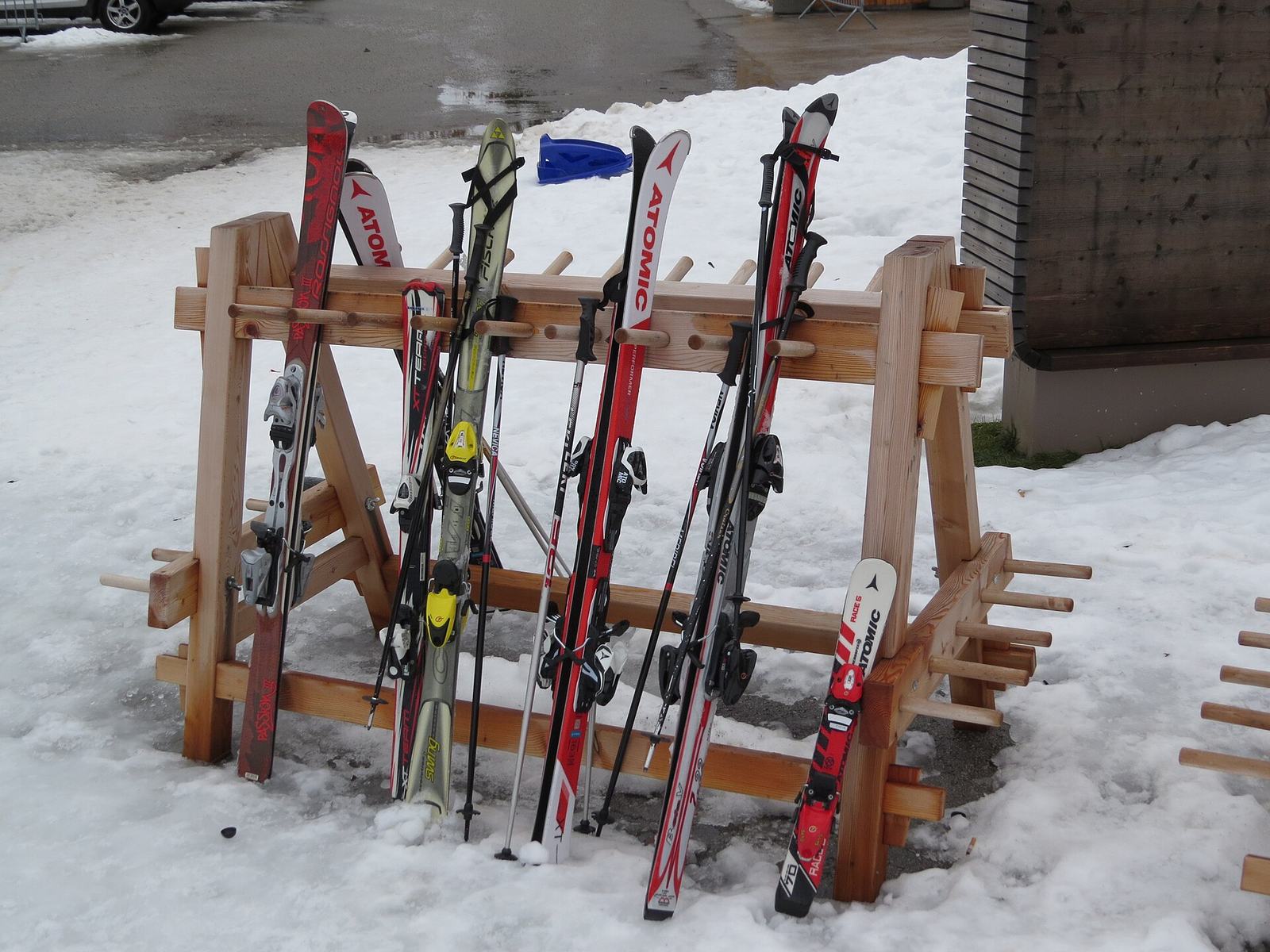
| Alpine skis in a rack, Annaberg, Lower Austria (featured image) | GT1976 | CC BY-SA 4.0 | Commons |
| Ski rental shop, Dumont, Colorado | Xnatedawgx | CC BY-SA 4.0 | Commons |
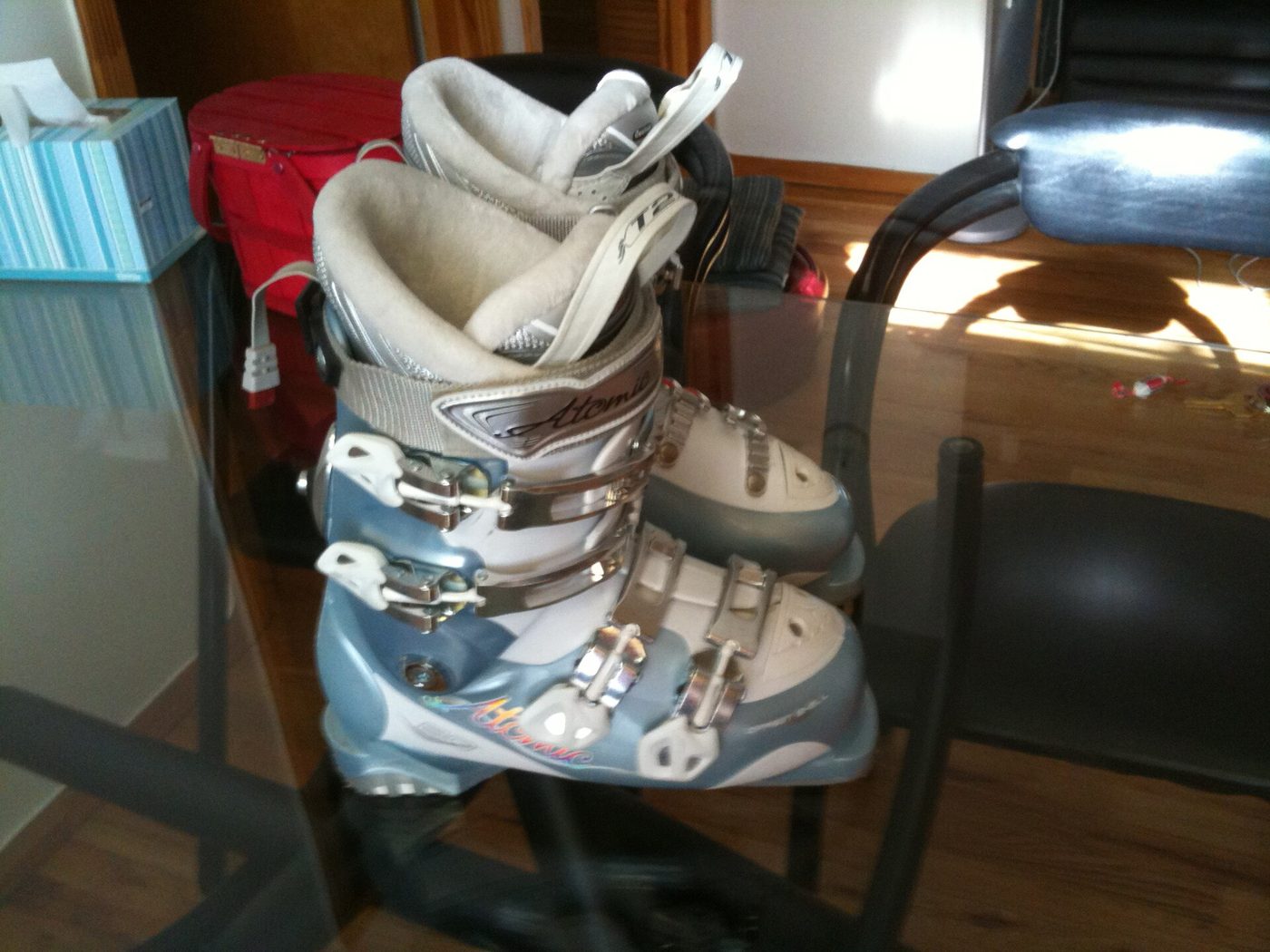
| Atomic ski boots | Cangul | CC BY 2.0 | Commons |
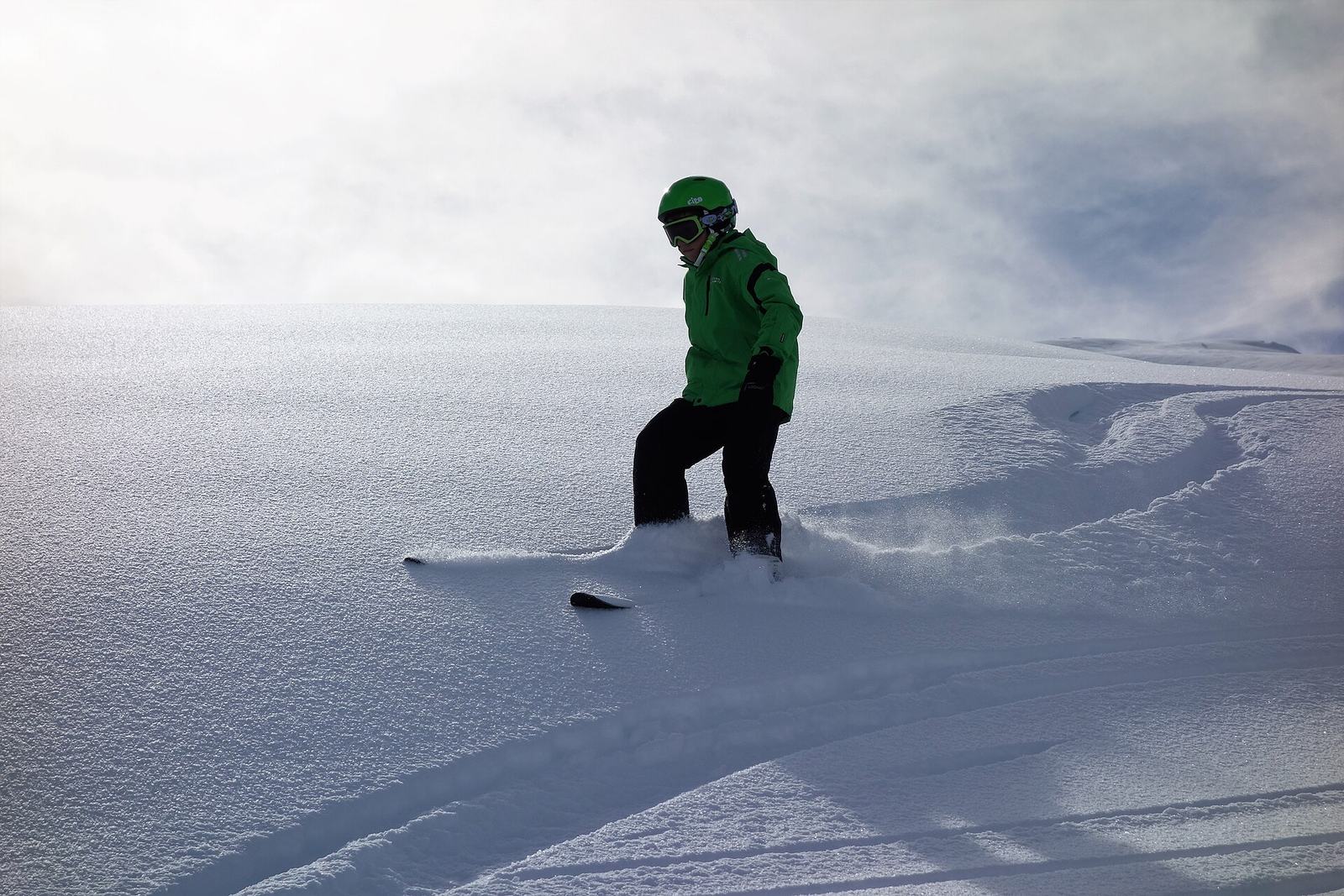
| Learning to ski in the Dolomites | Schi11 | CC BY-SA 4.0 | Commons |
| Boots and bindings | Chianti90 | Public domain | Commons |
| Ski school race course | Werner100359 | CC BY 3.0 | Commons |
| Aircraft de-icing in snow | Alexcaban | Public domain | Commons |