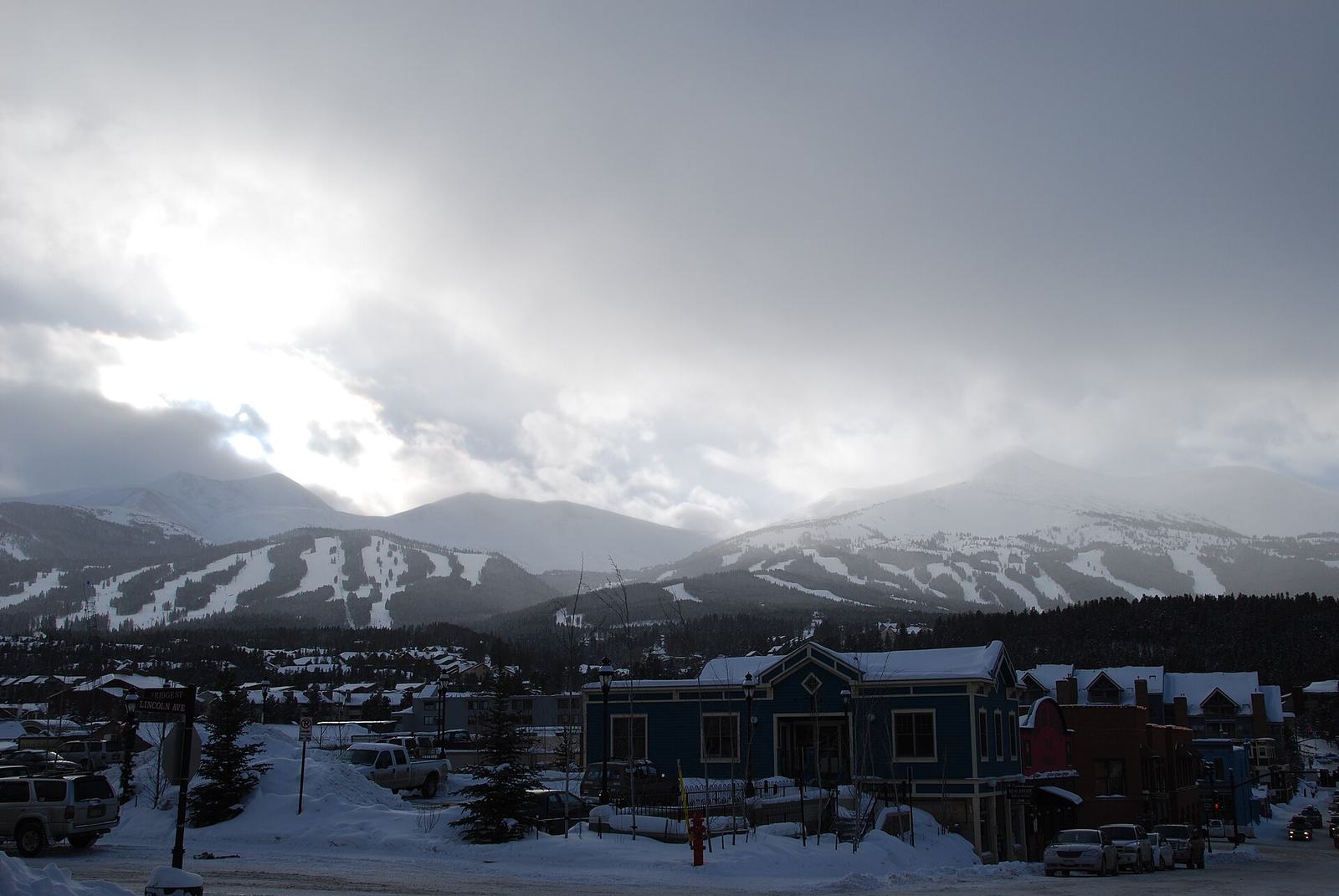
Is a ski season pass worth it? For a full Epic or Ikon pass, yes once you will ski roughly seven to nine days in a season, compared against advance-purchase day tickets. Mid-tier passes like Epic Local or Ikon Base pay back faster, typically five to seven days. Below those thresholds, day tickets or a short-trip product usually win. The math is simple once you use the right comparison price — and most people compare against the wrong one.
The single biggest mistake in this calculation is comparing a pass to window-price tickets, the walk-up rate charged to someone who did not plan ahead. That comparison flatters every pass, because window pricing at a marquee resort now regularly exceeds $250 a day. The honest comparison is against advance-purchase pricing, which is what a disciplined ticket-buyer actually pays. Get that one substitution right and the rest of this math is genuinely simple, and it holds regardless of which specific pass or resort you are actually weighing it against. For the full landscape of which pass to run this math against in the first place, see the best ski pass for 2026/27.
The short answer, by pass tier
| Pass | Typical price | Advance day ticket at a comparable resort | Break-even |
|---|---|---|---|
| Full Epic or Ikon Pass | $1,145–$1,449+ | $130–$200 | 7–10 days |
| Epic Local / Ikon Base | $849–$1,019 | $130–$200 | 5–7 days |
| Indy Add-on | $319 | $60–$100 | 4–5 days |
| Mountain Collective | ~$600 | $150–$200 per resort (2 days each) | Compare per-trip, not per-day |
These ranges hold across most marquee US resorts, though the specific break-even for any pass shifts with the exact resorts you ski and how far in advance you buy tickets. Recalculate with your own actual numbers before deciding — the table is a starting point, not a verdict.
Notice, too, that Mountain Collective does not fit neatly into a single “days to break even” number the way the other three do, since its two-day-per-resort structure is really a per-trip calculation rather than a per-day one. Treat it as a separate comparison, worked through trip by trip, covered in full in the Mountain Collective Pass guide.
How to calculate your own break-even
The formula is one line: pass price ÷ advance-purchase day-ticket price = break-even day count. Everything else is refinement.
- Find your actual advance-purchase price, not the window rate, at the one or two resorts you would realistically buy tickets for instead of a pass. Check the resort’s own site 30-plus days out for a realistic number.
- Divide the pass price by that ticket price. A $1,145 Epic Pass against $150 advance tickets breaks even at 7.6 days — round up to 8.
- Compare that number to your honest historical ski-day count, not your aspirational one. Look at how many days you actually skied last season, not how many you meant to.
- Add back the value the raw math misses — covered in full below — which generally lowers the real break-even further in the pass’s favor.
That fourth step is where most simple calculators stop short, and it is often the difference between a pass looking marginal and looking clearly worth it.
Why the exact ticket price you use matters so much
The break-even calculation is far more sensitive to the day-ticket price you plug in than most people expect. At $130 a day, a $1,145 pass breaks even at 8.8 days. At $180 a day — still a perfectly normal advance-purchase price at a marquee resort during a busy week — the same pass breaks even at 6.4 days, more than two days sooner. That swing is not a rounding error; it is the difference between “I probably won’t hit that” and “I definitely will.” Before trusting any break-even number, including the ones in this article, check the actual current advance-purchase price at your specific resort for your specific dates, since resort pricing varies by day of week, holiday proximity and how far ahead you book.
Why do mid-tier passes break even faster?
Epic Local and Ikon Base cost roughly $300 to $430 less than their full-tier counterparts, which mechanically lowers the number of days needed to break even — but only if the resorts you actually plan to ski are included on the mid-tier at all. This is the trap covered in depth in Epic Pass explained and Ikon Pass explained: a mid-tier pass that excludes your actual destination resort does not break even faster, it simply fails to cover the trip, forcing a day-ticket purchase on top of the pass you already bought. Run the break-even math only after confirming the mid-tier’s resort list actually matches your plans, not before.
The family version of the math
Family math multiplies everything, but it also multiplies the savings, which is easy to underweight. A family of four buying four full Epic Passes spends roughly $4,580 combined. At $150 a day in advance-purchase tickets, that same family spends $600 for a single day out, meaning the family break-even is identical in days to the individual break-even — the math does not get harder with more people, since both sides of the equation scale together.
What does change for families: discount programs meaningfully lower the effective pass price without lowering the day count needed. Epic Mountain Rewards’ 20% off food and lodging, and Epic SchoolKids’ free or discounted access for young children in several states, both reduce the real cost of a family season beyond what the sticker price suggests. A family that qualifies for SchoolKids in particular can see its effective per-person break-even drop sharply, since one or more children’s passes may cost little or nothing.
State-specific kids-ski-free passport programs are worth checking before assuming a full-price kids’ pass is the only option: Colorado’s Ski Country Passport runs $76 for grades K-6 with four days at each of 19 Colorado resorts; Vermont’s Fifth Grade Passport costs $30 with no residency requirement; Utah’s passport runs roughly $69 for grades 4-6. None of these substitute for an adult pass, but they change the family total meaningfully when children are involved.
A worked family example
Take a family of two adults and two school-age children considering a full Epic Pass. Two adult passes at $1,145 each run $2,290. If both children qualify for a state SchoolKids-style program at little or no cost, the family’s total pass spend might land closer to $2,300 to $2,600 rather than the roughly $4,580 a naive four-times-adult-price calculation would suggest. Against advance tickets at $150 a day for four people — $600 for a single family ski day — that family clears their effective break-even in well under six combined family ski days, once the children’s discounted access is factored in properly rather than assumed away.
What the raw math doesn’t capture
A pure days-divided-by-price calculation misses real value on both sides of the ledger.
In the pass’s favor: Epic Friend Tickets and similar programs let pass holders share discounted access with guests, which effectively extends the pass’s value beyond the holder’s own ski days. Zero marginal cost per day changes behavior — pass holders ski more half-days, drive up for a quick afternoon, and do not agonize over a mediocre-forecast Tuesday the way a day-ticket buyer would. None of that shows up in a simple break-even number, but all of it is real value.
Against the pass: a pass purchased in September with good intentions and then used four times over a busy winter is a worse financial outcome than simply buying four advance tickets would have been. The math only works if the skiing actually happens. Be honest about your own track record, not your aspirations, when running these numbers.
The psychology the spreadsheet misses
Pure break-even math treats every ski day as equally likely to happen, which is not how real seasons actually play out. A skier without a pass faces a small but real friction cost every single time they consider a spontaneous half-day — checking prices, deciding whether it is worth it, sometimes talking themselves out of a mediocre-forecast Tuesday that would have been a perfectly enjoyable ski day anyway. A pass holder skips that whole negotiation. Several experienced multi-season pass holders report skiing measurably more total days once the marginal cost of a day dropped to zero, not because they plan to ski more, but because the friction that used to talk them out of borderline days disappeared entirely.
The reverse psychology matters too: a skier who buys a pass and then has an injury, a move, or simply a busy winter can end up having paid full price for four or five days of skiing — a worse outcome than buying tickets would have been. Neither of these psychological effects belongs in a break-even spreadsheet, but both are real enough to weigh consciously rather than ignore.
There is a middle path worth naming explicitly: buying the pass slightly ahead of certainty, on the strength of a strong track record over the last two or three seasons, is a reasonable bet even without perfect confidence in the exact day count. Buying it purely on hope, with no recent history of actually skiing that many days, is the pattern most likely to produce the worst-case outcome — full price paid for a handful of days that would have been cheaper bought one at a time.
Does the math change by region?
Yes, meaningfully — the break-even point shifts with the local advance-ticket price, and that price varies significantly by region. A skier near a lower-demand regional resort, where advance tickets might run $80 to $110, needs more days to break even on a $1,145 pass than a skier near a marquee destination charging $180 to $220 in advance. This is exactly why a regional product — Epic’s own Northeast Value or Tahoe Local, for instance — frequently makes more sense than the full national pass for a skier whose actual season stays inside one region: the narrower pass costs less, and the local ticket price it is being compared against is often lower too, which can either raise or lower the effective break-even depending on the specific numbers.
The takeaway is not a fixed regional rule but a reminder to run the math with real, local numbers rather than borrowing the “7 to 9 days” figure from a national average and assuming it applies everywhere identically. A skier moving between regions — say, relocating from the Northeast to Colorado, or splitting a season across two states — should rerun the whole calculation fresh rather than carrying over an old region’s numbers, since both sides of the equation, the pass price and the local ticket price, can shift substantially.
When day tickets actually win
Day tickets win clearly below the break-even threshold — roughly six or fewer days a season for a full pass, four or fewer for a mid-tier — and they win especially for a skier who only takes one trip a year to one resort. In that single-trip case, the resort’s own multi-day ticket product, bought in advance, usually beats any season pass on pure cost, since a season pass is priced around repeat, spread-out usage that a single trip never delivers. The Indy Pass guide and Mountain Collective Pass guide both cover lower-commitment alternatives built specifically for this kind of skier.
Why avoid comparing a pass to window pricing?
Why shouldn’t I compare a pass to window ticket prices?
Because window pricing is the cost of not planning ahead, and comparing a pass to it flatters every pass while telling you nothing about whether you are actually a disciplined advance-ticket buyer. Walk-up window tickets at marquee resorts now routinely exceed $250 a day and can reach $350 or more during peak weeks — Jackson Hole’s window rate has been reported passing $250 in normal season and peaking near $356 over Christmas. Against that number, almost any pass breaks even in three or four days, which is a true but misleading comparison for anyone who reliably buys tickets 30-plus days out instead.
The honest question is not “does this pass beat window pricing” — nearly everything beats window pricing. The honest question is “does this pass beat what I would actually pay if I planned ahead and bought advance tickets,” which is a real, meaningfully higher bar the pass has to clear.
There is a version of this mistake that runs in the opposite direction too, worth flagging specifically: a skier who talks themselves out of a pass by comparing it against an unrealistically low advance-ticket price — an early-season deal, a midweek discount, a price seen once and never again — will undersell the pass just as badly as the window-price comparison oversells it. The fair comparison uses the price you would realistically pay across a normal season of trips, not the best or worst single data point you can find.
Worked examples across skier profiles

The weekend regular, skiing 15-plus days a season at one or two nearby resorts, clears the break-even easily on any full pass and should stop doing the math altogether — the pass has already won.
The once-a-year destination skier, taking a single week-long trip, should run the math specifically against that one resort’s own multi-day ticket product rather than assuming a season pass helps, since a single trip rarely reaches the seven-to-nine-day threshold a full pass needs.
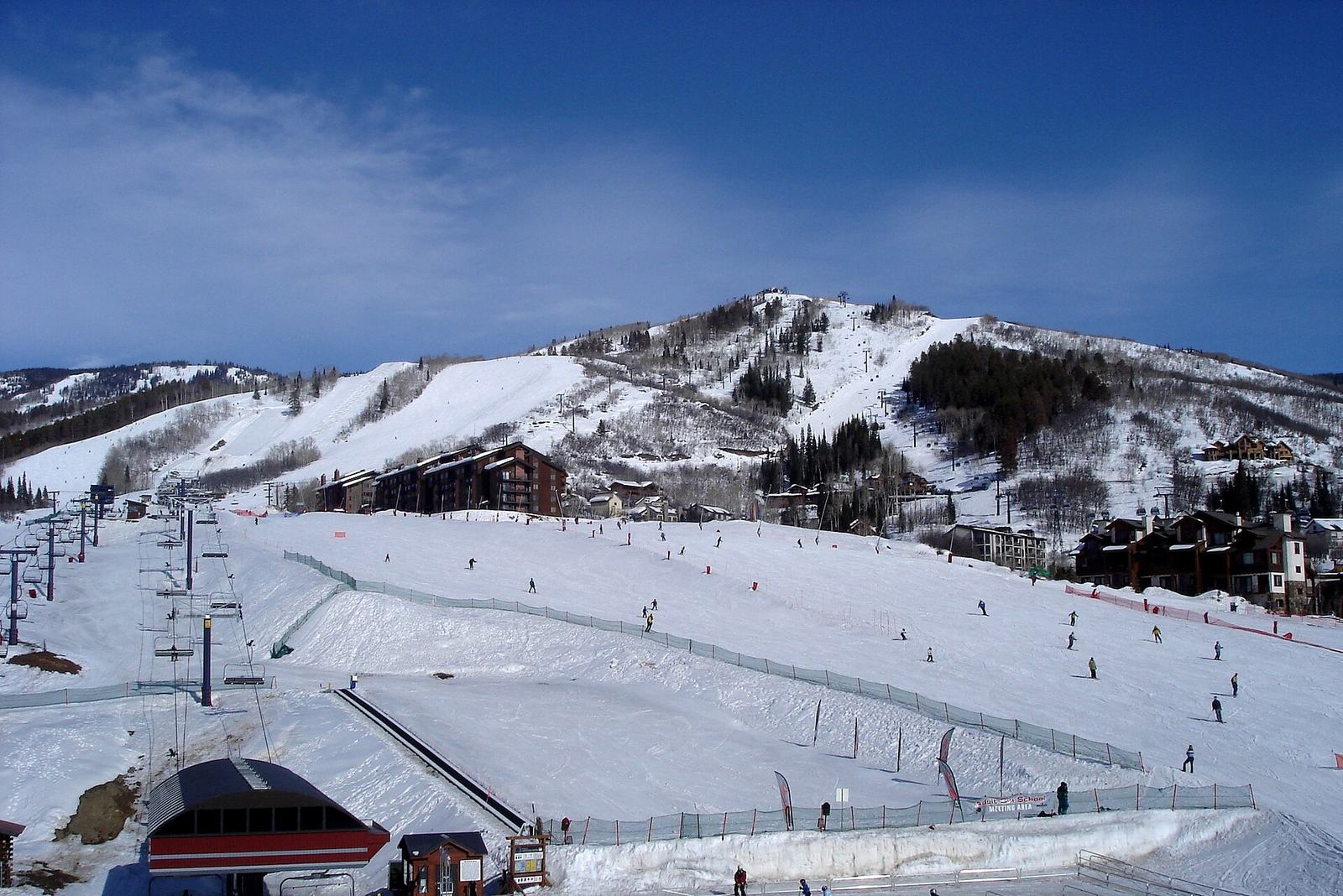
The occasional local skier, five or six days a season at a home hill, sits right at the mid-tier break-even point — worth running the exact numbers for that specific resort rather than assuming either direction.
The multi-region traveler, splitting a season across two or three different areas, should reread Epic Pass vs Ikon Pass before running this math at all, since the wrong pass for their actual travel pattern breaks the whole calculation regardless of day count. And anyone still choosing between products rather than tiers of the same pass should start over at the best ski pass for 2026/27 before running break-even math on the wrong candidate entirely.
Frequently asked questions
How many ski days does it take to make a season pass worth it?
Roughly seven to nine days for a full Epic or Ikon pass, five to seven for a mid-tier like Epic Local or Ikon Base, compared against advance-purchase day-ticket pricing. The exact number shifts with the specific resort’s ticket prices and how far ahead of your actual trip you buy them.
Is it worth buying a ski pass if I only ski a few times a year?
Generally no, unless those few days are spread across resorts where a smaller product like the Indy Pass Add-on or Mountain Collective covers them more efficiently than a full megapass would. A skier taking three or four days a season at one resort is usually better served by that resort’s own advance-purchase multi-day ticket product, bought well ahead of the actual trip dates.
Does a season pass save money even if I don’t hit the break-even day count?
Not in pure dollar terms, but the discounts, flexibility and zero-marginal-cost-per-day behavior change can still deliver value a strict break-even calculation misses — though this should be treated as a secondary factor, not the primary reason to buy a pass you are genuinely unlikely to use enough to justify on the core math.
What is the single biggest mistake people make in this calculation?
Comparing the pass against window ticket prices instead of advance-purchase prices, which makes almost every pass look like an obvious win regardless of how many days you actually plan to ski. Fix that one substitution and the rest of the math becomes a reliable guide rather than a foregone conclusion.
Should I buy a season pass or pay per day?
Run the break-even formula — pass price divided by your actual advance-ticket price — against your honest historical ski-day count, not your aspirational one. Above the break-even, buy the pass. Below it, pay per day and bank the difference — and re-run the whole calculation again next season rather than assuming this year’s answer still holds.
Is a family season pass worth it if only some family members ski often?
Consider buying full passes only for the family members who will clear the break-even day count, and day tickets or a lower-commitment product for those who ski less — Epic Friend Tickets specifically exist to solve this exact problem by discounting tickets for people who do not hold their own pass.
Does buying a pass early actually matter for the math?
Yes — both Epic and Ikon price their passes lowest in spring, immediately after the prior season ends, and raise prices several times through the summer and autumn. A pass bought in March can cost meaningfully less than the identical product bought in September, which directly lowers the break-even day count without changing anything else about how or where you ski.
What if I’m not sure how many days I’ll actually ski this season?
Use your most recent one or two actual seasons as the baseline, not this season’s hopes — most skiers overestimate their own future ski days, and a pass bought on an optimistic guess is the most common way this math goes wrong. If you are still uncertain, a mid-tier pass or a short-trip product like the Indy Add-on or Mountain Collective carries much less downside than a full-price pass bought on a hopeful guess about a season that has not happened yet.
Is it ever worth buying a pass purely for the flexibility, even below break-even?
For some skiers, yes — the ability to check a forecast the night before and decide spontaneously, without sunk-cost anxiety about an already-purchased ticket, has real value that a strict dollar calculation does not capture. This is a legitimate reason to buy a pass slightly below the pure break-even point, but it should be a conscious trade-off, not a rationalization used to justify a purchase the numbers do not otherwise support.
Does the break-even math work the same way for a beginner as for an experienced skier?
The formula itself is identical, but a genuine beginner’s honest day-count projection is usually lower and less certain than an experienced skier’s, which pushes the calculation toward a cheaper, lower-commitment option. See the best ski pass for beginners for options built specifically around that lower, less certain day count.
Sources
Image credits
| Image | Photographer | Licence | Source |
|---|---|---|---|
| Breckenridge, Colorado (featured image) | — | — | Site media library |
| Copper Mountain, Colorado, powder day | Zach Dischner | CC BY 2.0 | Commons |
| Aspen Mountain, Colorado, Silver Queen Gondola | Wolfgang Moroder | CC BY-SA 3.0 | Commons |
| Vail, Colorado, powder day | — | — | Site media library |
| Steamboat Springs, Colorado | — | — | Site media library |
| Winter Park, Colorado | — | — | Site media library |