The Ikon Pass explained simply: from $1,449, it buys unlimited access to 18 destinations and seven days each at most of the rest of a roster that includes Jackson Hole, Big Sky, Alta, Snowbird, Deer Valley, Aspen Snowmass and Palisades Tahoe — more than 70 mountains in total. Ikon Base, from $1,019, saves roughly $430 but drops Jackson Hole, Alta, Deer Valley, Sun Valley, Snowbasin and three of Aspen’s four mountains entirely. The gap between the two tiers is the single most important thing to understand before buying.
Ikon is Alterra Mountain Company’s pass, built specifically to compete with Vail Resorts’ Epic Pass by assembling a roster weighted toward terrain prestige rather than sheer volume. Alterra itself owns and operates a number of the resorts on Ikon’s list directly — Palisades Tahoe, Mammoth, Steamboat, Winter Park and Deer Valley among them — while others, like Jackson Hole, Alta and Snowbird, remain independently owned and simply partner with the pass. That distinction rarely matters to a skier deciding whether to buy, but it explains why some resorts carry unlimited access (Alterra’s own properties, where the operator has full pricing control) while others are capped at seven days (independent partners negotiating their own terms). Where Epic optimizes for convenient density, Ikon has bought its way into a genuinely unusual collection of marquee, bucket-list mountains — the tradeoff is a shorter unlimited list and a more complicated tier structure to actually understand. This guide breaks down what the full pass and Base both include, where the blackout dates actually bite, and who should buy Ikon over the alternatives. For the full pass landscape including Epic and the smaller options, start with the best ski pass for 2026/27.
What the full Ikon Pass actually includes
The full Ikon Pass starts at $1,449 for adults 23 and over, checked against ikonpass.com on 10 September 2026, and covers more than 70 destinations worldwide through a mix of unlimited access and day-limited access.
Unlimited on the full pass (the 18 destinations): Palisades Tahoe, Mammoth, Arapahoe Basin, Copper Mountain, Winter Park, Steamboat, Eldora and a further roster rounding out the list — these are Ikon’s highest-traffic, most heavily used resorts, which is exactly why they carry no day limit.
Seven days each on the full pass: Jackson Hole, Deer Valley, Sun Valley, Snowbasin, and Big Sky — the pass’s most prestigious single mountains, each capped rather than unlimited. Aspen Snowmass is a special case: all four of its mountains (Aspen Mountain, Aspen Highlands, Buttermilk and Snowmass) share one combined seven-day allotment on the full pass, not seven days at each individually, which catches a surprising number of buyers off guard mid-season. Alta and Snowbird work the same way: seven days shared between the two, not seven at each.
The full roster, by region
| Region | Ikon resorts | Access |
|---|---|---|
| Utah | Alta, Snowbird, Brighton, Solitude, Deer Valley, Snowbasin | Solitude unlimited; Alta/Snowbird 7 shared days; Deer Valley, Snowbasin, Brighton 7 days each (Base: Solitude, plus 5 days at Snowbird and Brighton) |
| Wyoming | Jackson Hole | 7 days |
| Montana | Big Sky | 7 days |
| Colorado | Steamboat, Winter Park, Copper Mountain, Arapahoe Basin, Eldora, Aspen Snowmass | Mostly unlimited; Aspen Snowmass 7 shared days |
| California/Nevada | Palisades Tahoe, Mammoth | Unlimited |
| Idaho | Sun Valley | 7 days |
| Pacific Northwest | Crystal Mountain, Mt. Bachelor | Crystal unlimited (5 days on Base); Mt. Bachelor 7 days |
| Vermont | Killington, Pico, Sugarbush, Stratton | Sugarbush, Stratton unlimited on both tiers; Killington and Pico 7 shared days |
| Maine | Sunday River, Sugarloaf | 7 days each |
| Michigan/Minnesota/Wisconsin | Snowriver, Lutsen, Granite Peak | New full partners for 2026/27, 7 days each |
| British Columbia/Alberta | SkiBig3 (Banff), Revelstoke, Red Mountain, Panorama, Sun Peaks | 7 days each, terms vary |
| Quebec/Ontario | Mont Tremblant, Blue Mountain | Unlimited on both tiers |
| Japan | Niseko United plus 8 others | 7 days full, fewer on Base |
The pattern across nearly every region: Ikon’s day-limited resorts are its most individually famous mountains, while the short unlimited list covers the handful of destinations that draw enough repeat local and regional traffic to justify no cap. That is the opposite emphasis from Epic, whose unlimited list is deliberately broad rather than concentrated on a handful of marquee names.
Full Ikon vs. Ikon Base: the trap in the middle
Ikon Base, from $1,019, is the pass market’s most commonly regretted purchase — not because it is a bad product, but because the resorts it removes are frequently the exact reason someone wanted Ikon in the first place.
| Full Ikon Pass | Ikon Base | |
|---|---|---|
| Price | From $1,449 | From $1,019 |
| Jackson Hole, Deer Valley, Sun Valley, Snowbasin | 7 days each | Not included at any day count |
| Aspen Snowmass (4 mountains) | 7 shared days | Aspen Mtn, Highlands, Buttermilk not included; Snowmass at 5 days with holiday blackouts |
| Alta and Snowbird | 7 days shared between the two | Alta not included; Snowbird at 5 days |
| Big Sky, Brighton | 7 days each | 5 days each |
| Steamboat | Unlimited | 5 days |
| Palisades Tahoe, Mammoth, Arapahoe Basin | Unlimited | Unlimited |
| Blackout dates | None | Holiday blackouts apply |
The one piece of good news for Base buyers this season: Snowmass rejoined Ikon Base for 2026/27, the first time since 2019/20, though with holiday blackouts attached. The other three Aspen mountains remain full-pass-only.
The decision rule is simple: if Jackson Hole, Alta, Deer Valley, Sun Valley or three-quarters of Aspen appears anywhere in your season’s plans, Base is a false economy — the roughly $430 saved gets spent on day tickets at resorts the pass was supposed to cover. If your season is Palisades, Mammoth, Arapahoe Basin and occasional five-day trips to Snowbird or Big Sky, Base is the right pass and the extra $430 for the full tier is wasted money.
The Ikon Session Pass: a third option
Beyond the full pass and Base, Ikon sells a Session Pass starting from $299, buying two, three or four days — not necessarily consecutive — across 47 Ikon destinations including Steamboat, Winter Park, Palisades Tahoe, Mammoth and several Canadian partners like Revelstoke, Panorama and Sun Peaks. At the two-day level that works out to roughly $150 a day, comparable to an advance-purchase single-day ticket at several of those resorts, with the added flexibility of splitting the days across different trips or resorts.
The Session Pass carries its own 2026/27 blackout dates — 26 to 30 December 2026, 16 to 17 January 2027, and 13 to 14 February 2027 — covering the same high-demand stretches blacked out on Ikon Base. It is a genuinely useful product for a skier planning one or two short trips who has no interest in the full season commitment of either Ikon tier, and it sits in the same competitive space as Epic’s Day Pass product, though the resort list and exact mechanics differ meaningfully between the two.
Where do Ikon’s blackout dates actually bite?
Ikon Base’s blackouts cluster around the highest-demand weeks of the season — typically the periods around Christmas and New Year, the Martin Luther King Jr weekend in January, and Presidents’ Day in February — and apply at most Base resorts, including Snowmass, Snowbird, Brighton and Big Sky, and even at Palisades Tahoe and Mammoth, which are otherwise unlimited on Base. Solitude, Arapahoe Basin, Copper and Winter Park are among the exceptions. The full Ikon Pass carries no blackout dates at all, which is one of its clearest advantages over Base and over Epic Local, both of which restrict holiday access on their mid-tier products.
Because blackout calendars shift slightly year to year and differ by specific resort even within the same tier, we map the complete, resort-by-resort blackout calendar separately in ski pass blackout dates rather than reproducing a date list here that would be out of date within a season.
The practical impact of a blackout date is easy to underestimate until it actually affects a trip. A family that plans a Christmas week ski vacation around Ikon Base, only to discover their intended resort is blacked out for exactly that week, is left buying day tickets at full window rates during the single most expensive stretch of the season — the worst possible time to be caught without pass coverage. Checking the blackout calendar against your actual planned travel dates, not just the resort list, is a five-minute task worth doing before any purchase.
Is the refundable add-on worth it?
For roughly 20% on top of the pass price, Ikon’s refundable add-on is worth it specifically for buyers whose travel dates depend on something outside their control — a work schedule that might change, a flight that could get cancelled, a health situation that could flare up. For buyers with flexible, predictable schedules who are confident they will use the pass regardless, the add-on is an unnecessary cost. The add-on is available through 15 January 2027 for the current season, giving buyers a genuine mid-season window to add it if circumstances become less certain after purchase.
Think of the add-on as trip insurance rather than a pass feature: the roughly 20% premium buys protection against a specific, definable risk, the same logic as any other insurance product. A buyer with a stable job, no planned surgery, and reliable travel plans is paying for a risk they do not actually carry. A buyer whose work schedule is set by an employer three weeks out, or whose travel depends on a connecting flight through a winter-weather-prone hub, is paying for a risk that is genuinely likely to materialize at some point across a five-month ski season. Weigh the roughly 20% premium against the full pass price rather than against a single trip — on a $1,449 pass, that is close to $290, which buys real peace of mind for a buyer who genuinely cannot predict their own schedule six months out.
Does Ikon offer a renewal discount?
Yes — returning pass holders typically see a lower price than new buyers, on the order of $50, when they log into their existing account before shopping rather than starting a fresh purchase. This is standard practice across the megapass market and applies to Epic as well; always check for a loyalty or renewal price before assuming the advertised new-buyer listing is the only option genuinely available to you.
Which pass is better, full Ikon or Ikon Base?
This is really two different questions depending on which resorts you actually plan to ski, not a single universal answer. Run through it directly: list your two or three most likely destinations this season, then check each against the table above. If all of them fall in the unlimited or Base-included column, buy Base and save the money. If even one falls in the full-pass-only column, buy the full pass — the day-ticket cost of covering that one resort on Base will typically exceed the $430 difference within a single trip.
A worked example makes this concrete. Take a Salt Lake City-based skier whose season is mostly Solitude and Brighton, with a once-a-year splurge trip to Jackson Hole. On Base, Solitude is unlimited and Brighton is covered for five days — plenty for a regular local skier — but Jackson Hole is not covered at all, meaning that annual trip requires full-price day tickets on top of the Base purchase. Once those day-ticket costs are added up, the total frequently exceeds what the full pass would have cost outright, at which point Base was never actually the cheaper option once the whole season is counted rather than just the sticker price of the pass itself. The lesson generalizes: run the math on your actual planned trips before assuming the cheaper tier saves money, because a single uncovered destination can erase the entire discount in one week.
Is the Ikon Pass worth it?
For a skier who will use it eight to ten days in a season at the resorts it actually covers, yes — the full pass beats advance-purchase day tickets past that point, and the terrain quality on offer means those days tend to be memorable rather than merely logged. Ikon Base pays back faster, typically in five to seven days, since its lower price point needs fewer days to clear.
| Pass | Price | Typical advance day ticket at a marquee Ikon resort | Break-even |
|---|---|---|---|
| Ikon Pass | From $1,449 | $150–$200 | 8–10 days |
| Ikon Base | From $1,019 | $150–$200 | 5–7 days |
| Ikon Session (4 days) | From roughly $500–$600 depending on the season | $150–$200 | Compare directly against 4 planned days |
As with every megapass, the honest comparison is against advance-purchase pricing, not window rates. Walk-up window tickets at Ikon’s marquee resorts routinely exceed $250 a day during peak weeks, and Jackson Hole specifically has been reported peaking above $350 over the Christmas–New Year stretch. Nobody disciplined about planning ahead should be comparing a pass to that number, but it is worth knowing the window rate exists as the fallback cost of not planning ahead at all.
We run the full worked math for both major passes, including the family version, in is a ski season pass worth it.
How does Ikon compare internationally?
Ikon’s international roster is genuinely deep relative to most competing passes. In Japan, Niseko United carries up to seven days on the full tier (fewer on Base) alongside eight other Japanese resorts. In Canada, SkiBig3 in Banff National Park — Lake Louise, Banff Sunshine and Mt Norquay combined — gives seven days on the full pass with no blackouts and five days on Base with specific holiday blackouts, alongside Revelstoke, Red Mountain, Panorama, Mont Tremblant, Blue Mountain and Sun Peaks. Day counts and blackout terms vary by destination and should be confirmed directly before building an international trip around Ikon access alone. A skier already planning a Japan powder trip independent of any pass consideration may find Ikon’s Niseko access effectively pays for a meaningful chunk of the pass on its own, since Niseko day rates in yen are not trivial once converted and multiplied across a week-long visit.
Who should buy Ikon, and who should look elsewhere?
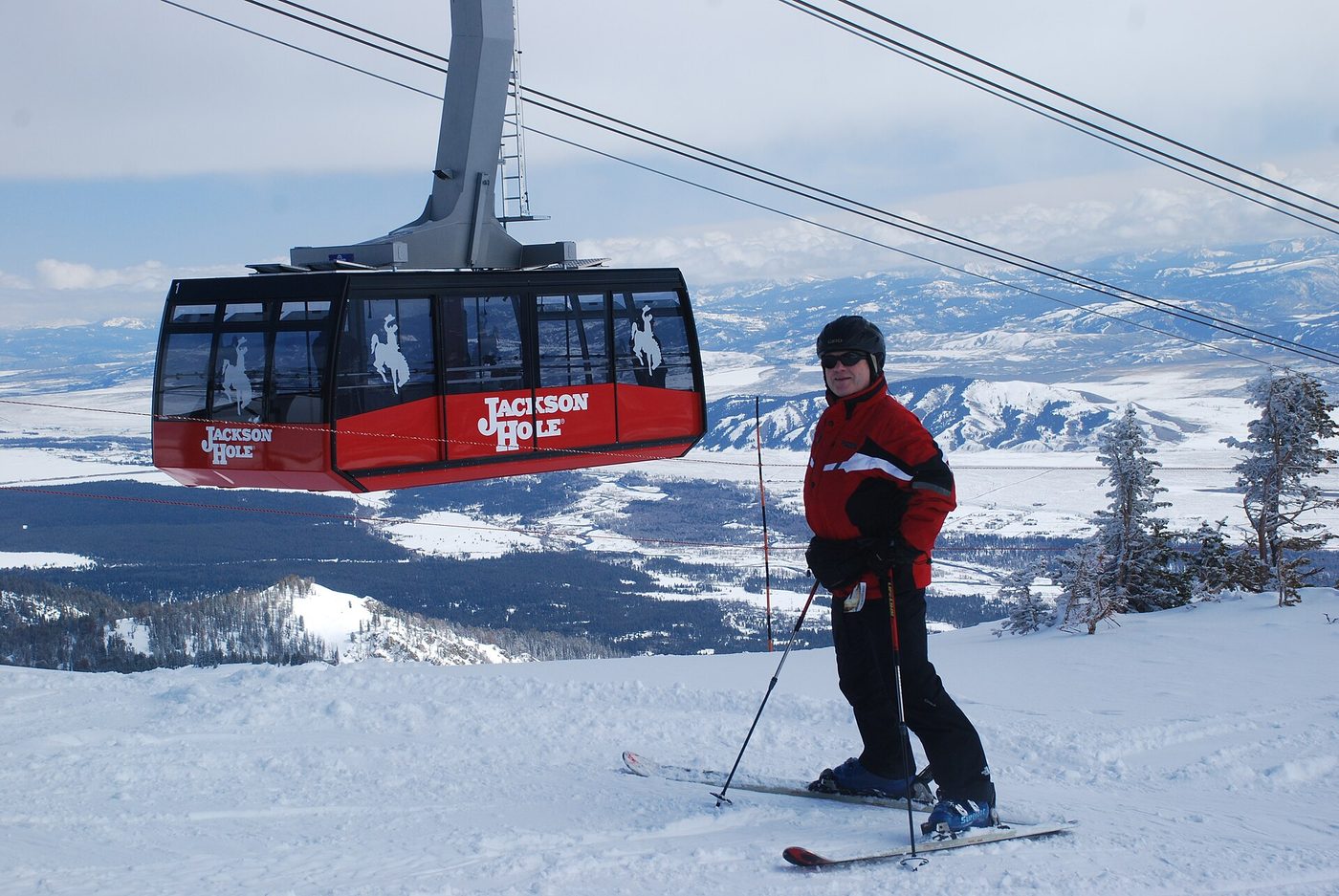
Buy Ikon if: Jackson Hole, Big Sky, Alta, Snowbird, Deer Valley or Aspen appear anywhere on your wish list; you fly to Salt Lake City or Jackson specifically for the terrain; or you prioritize mountain quality and snow character over unlimited convenience at a larger number of resorts.
Look elsewhere if: your season is mostly Colorado’s Summit County — Vail, Breckenridge, Keystone, Beaver Creek are all Epic, not Ikon — or if you want unlimited access at more than a handful of destinations, since Ikon’s unlimited list is roughly a third the size of Epic’s 42. For that comparison in full, see Epic Pass explained and Epic Pass vs Ikon Pass.
A few specific situations are worth calling out directly. The Salt Lake City-based skier gets more from Ikon than almost anyone else on this list, since Alta, Snowbird, Brighton, Solitude and Deer Valley cluster within a short drive of both each other and the airport — a concentration of serious terrain Epic cannot match anywhere in Utah.
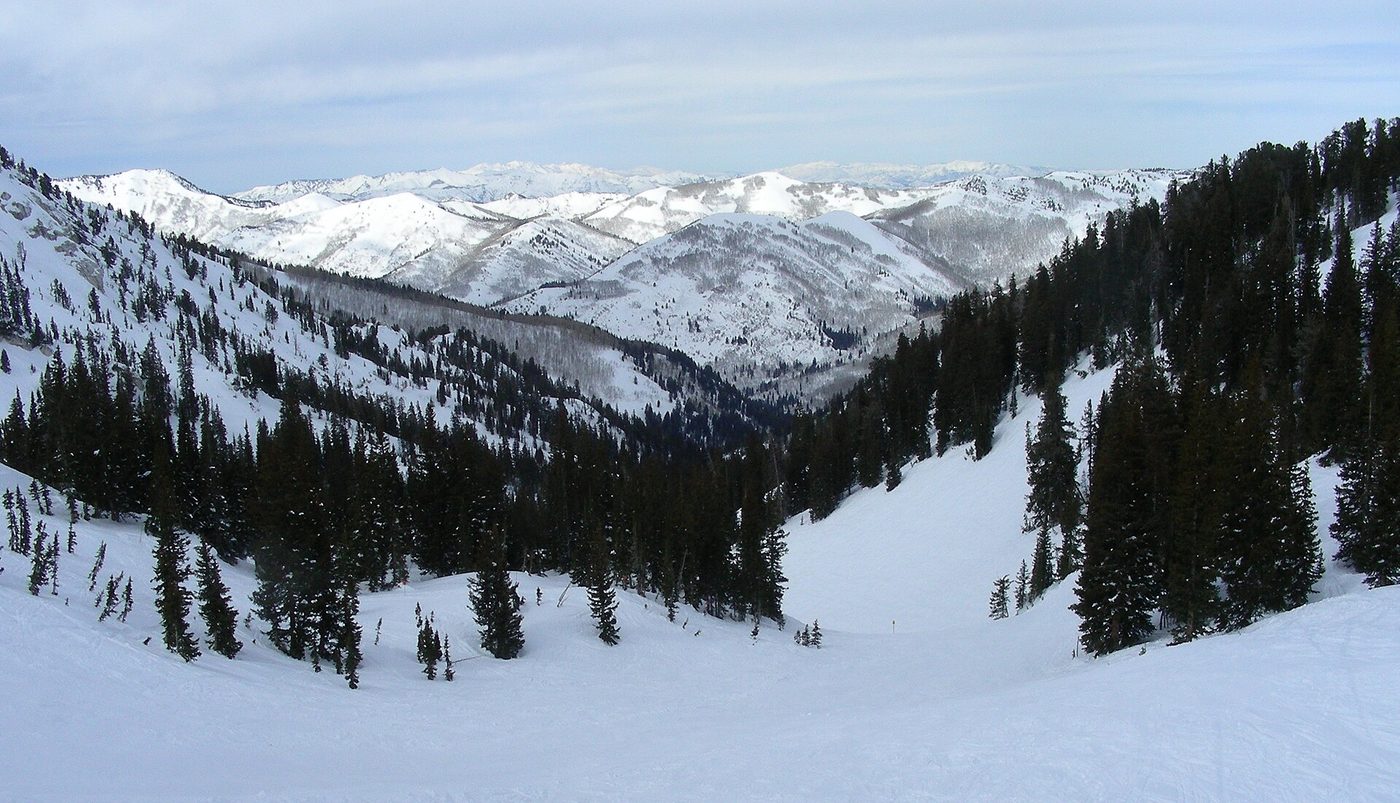
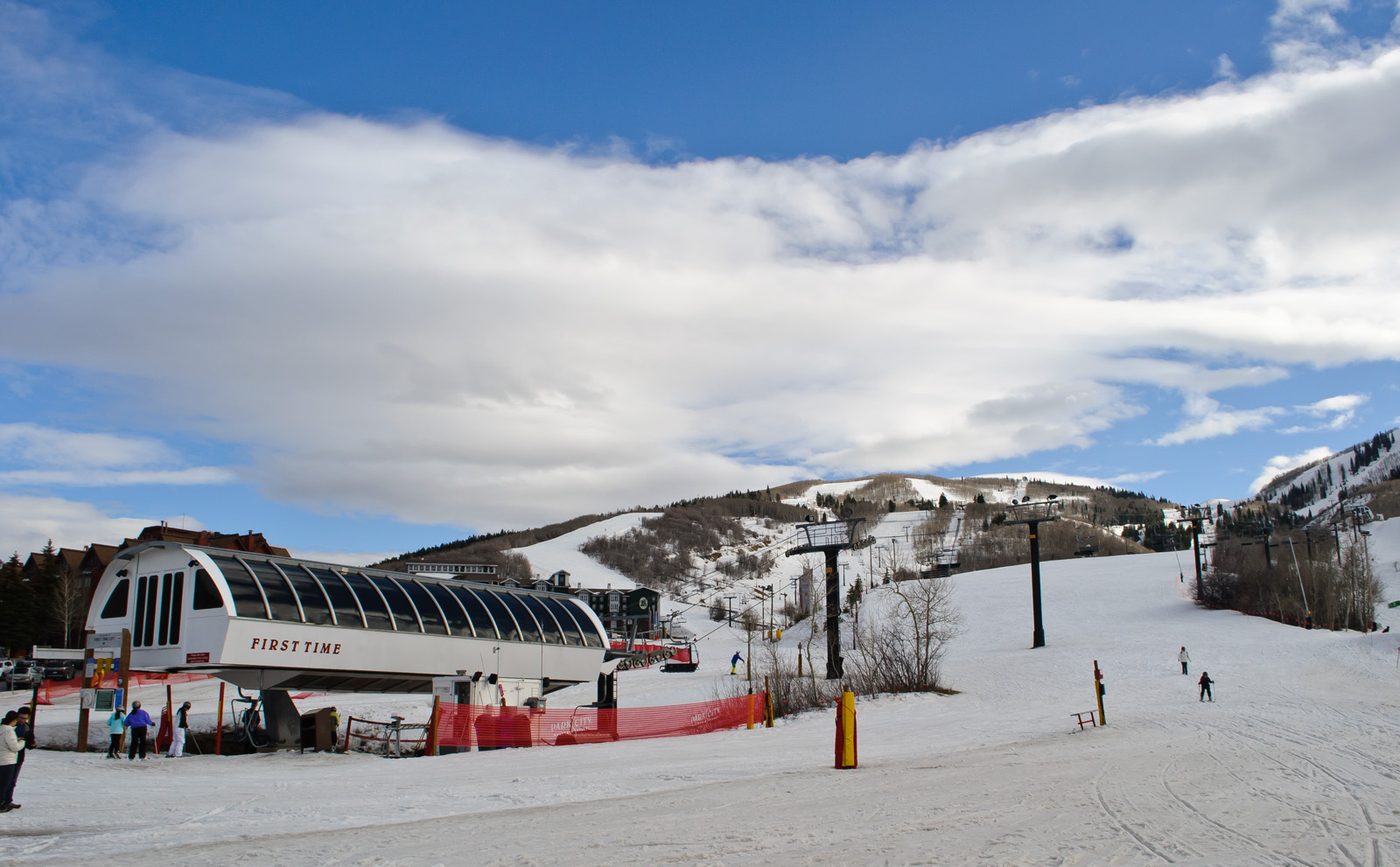
The once-a-year Jackson Hole or Big Sky traveler should run the break-even math carefully before buying a full pass just for one trip; a multi-day lift ticket at the single destination resort frequently beats a full season pass bought to cover one week. The Tahoe-based skier gets excellent value from Ikon Base specifically, since Palisades Tahoe and Mammoth are both unlimited on the cheaper tier. The multi-resort powder chaser who wants Jackson Hole, Big Sky and Alta all in one season is exactly who the full pass, not Base, was built for — Base’s exclusions hit this skier hardest of any profile on this list, since Base leaves out Jackson Hole and Alta entirely and cuts Big Sky to five days.
If your priority is trying a wide range of independent mountains at a fraction of either megapass’s price, the Indy Pass guide is a genuinely different kind of product built around exactly that. And for skiers taking just a handful of trips to different marquee resorts rather than settling into one roster, Mountain Collective is worth comparing directly against Ikon before committing to the bigger purchase. Still weighing the whole field rather than set on Ikon specifically? The best ski pass for 2026/27 walks through the full decision from the start.
Frequently asked questions
How much does the Ikon Pass cost for 2026/27?
The full Ikon Pass starts at $1,449 for adults, and Ikon Base starts at $1,019, both checked against ikonpass.com on 10 September 2026. Both prices step up through the autumn sale window, so an earlier purchase typically costs less than a later one.
Does Ikon Base include Jackson Hole or Deer Valley?
No, at any number of days. Jackson Hole, Deer Valley, Sun Valley and Snowbasin are excluded from Ikon Base entirely — only the full Ikon Pass includes them, at seven days each.
Is Ikon renewal cheaper than buying new?
Yes, typically by roughly $50 — logging in with a prior season’s account before shopping usually surfaces a lower renewal price than the new-buyer listing, so returning Ikon holders should always check their existing account first.
How many days do I get at Aspen Snowmass on the full Ikon Pass?
Seven days total, shared across all four Aspen Snowmass mountains combined — not seven days at each individually. This is one of the most commonly misunderstood details of the full pass and worth double-checking before planning a longer Aspen trip.
Can I use the Ikon Pass at Palisades Tahoe without any day limit?
Yes — Palisades Tahoe is one of the 18 destinations unlimited on both the full Ikon Pass and Ikon Base, making it one of the strongest Base-tier options for a Tahoe-focused skier.
What is the Ikon Session Pass, and how is it different from Base?
The Session Pass is a separate, smaller product starting from $299 that buys two to four non-consecutive days across 47 Ikon destinations, rather than a season-long pass with a fixed resort tier. It suits skiers taking one or two short trips a year who have no interest in a full-season commitment, where Base and the full pass are both built around skiers expecting to ski considerably more than four days total.
Does the Ikon Pass cover any resorts in Europe?
Ikon’s international strength is concentrated in Japan and Canada rather than Europe; its roster does not currently match Epic’s European partner presence in scale. Skiers planning a European trip specifically should not assume Ikon access carries over to the Alps the way it does to Niseko or Banff, and should check current partner terms directly before assuming otherwise.
Is Big Sky unlimited on the Ikon Pass?
No — Big Sky is a seven-day resort on the full Ikon Pass and a five-day resort on Ikon Base, not one of the 18 unlimited destinations. It is a common assumption given Big Sky’s prominence in Ikon’s marketing, but the pass treats it as a capped resort, like Jackson Hole or Alta, rather than as an unlimited option.
Can college students or young adults get a discount on Ikon?
Alterra typically offers a discounted young-adult pricing tier for Ikon, priced below the standard adult rate for skiers in a specific age band — check current eligibility and pricing directly with Ikon rather than assuming the standard adult price is the only option, especially for buyers in their early twenties who fall just outside a typical “youth” pricing cutoff.
What happens if I buy Ikon Base and then want to ski a full-pass-only resort?
You pay the resort’s own day-ticket price for that visit, exactly as if you held no pass at all — Ikon Base does not offer any kind of discounted add-on day rate at resorts it excludes entirely, such as Jackson Hole or Deer Valley. This is the core mechanism behind Base’s most common regret: a skier assumes some partial discount will apply and is surprised to find the full window or advance-purchase price waiting instead.
Sources
- ikonpass.com — Ikon Pass
- ikonpass.com — Ikon Base Pass
- Storm Skiing Journal — 2026/27 Ikon Pass, Snowmass rejoins Base
- SkiBig3 — Ikon Pass terms
Image credits
| Image | Photographer | Licence | Source |
|---|---|---|---|
| Baldy Chutes, Alta, Utah (featured image) | Baileypalblue | Public domain | Commons |
| Park City Ski Resort, Utah | InSapphoWeTrust | CC BY-SA 2.0 | Commons |
| Honeycomb Canyon, Solitude, Utah | Baileypalblue | Public domain | Commons |
| Snowbird, Little Cottonwood Canyon, Utah | — | — | Site media library |
| Big Sky, Montana | — | — | Site media library |
| Aspen Mountain, Colorado | — | — | Site media library |
| Jackson Hole, Wyoming | — | — | Site media library |