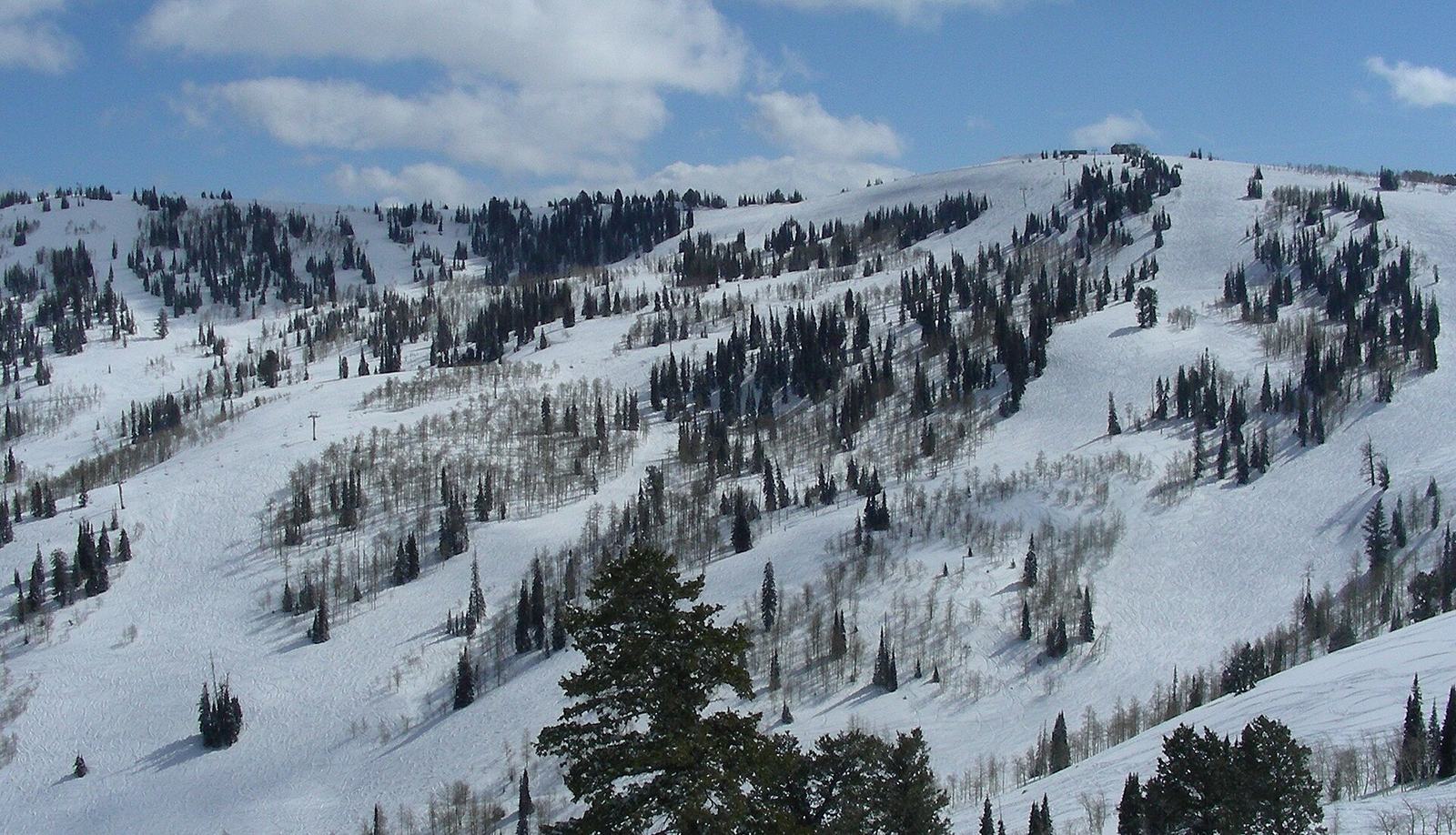
The Indy Pass covers more than 300 independent resorts across four continents, two days at each, for a fraction of what Epic or Ikon charges. It is not competing with the two megapasses for the same skier — it is a bet that skiing does not have to mean a corporate-owned marquee resort, built around variety and value rather than unlimited access anywhere. The catch: prices for the entry tiers are not published upfront, allotments are limited, and the 2026/27 sale window already closed on 11 September 2026.
Where Epic and Ikon assemble rosters of large, corporately owned destination resorts, the Indy Pass runs in the opposite direction entirely — independent, family-owned and community-owned mountains that could never compete with Vail Resorts or Alterra on marketing budget, bundled together into one product specifically because none of them individually could offer what a megapass does. For skiers who care more about trying new, quirky, uncrowded mountains than skiing the same marquee resort every weekend, it answers a genuinely different question than Epic vs. Ikon does. For the full pass landscape including the two majors, start with the best ski pass for 2026/27.
What the Indy Pass actually is
The core mechanic is simple: two days at each of 300-plus participating resorts, spread across four continents, for one flat price. There is no unlimited tier and no single flagship mountain the way Epic has Vail or Ikon has Jackson Hole — the entire value proposition is breadth and variety rather than depth at any one place. A skier with an Indy Pass who wants a third day at any single resort pays that resort’s own day-ticket rate for it, same as anyone without a pass.
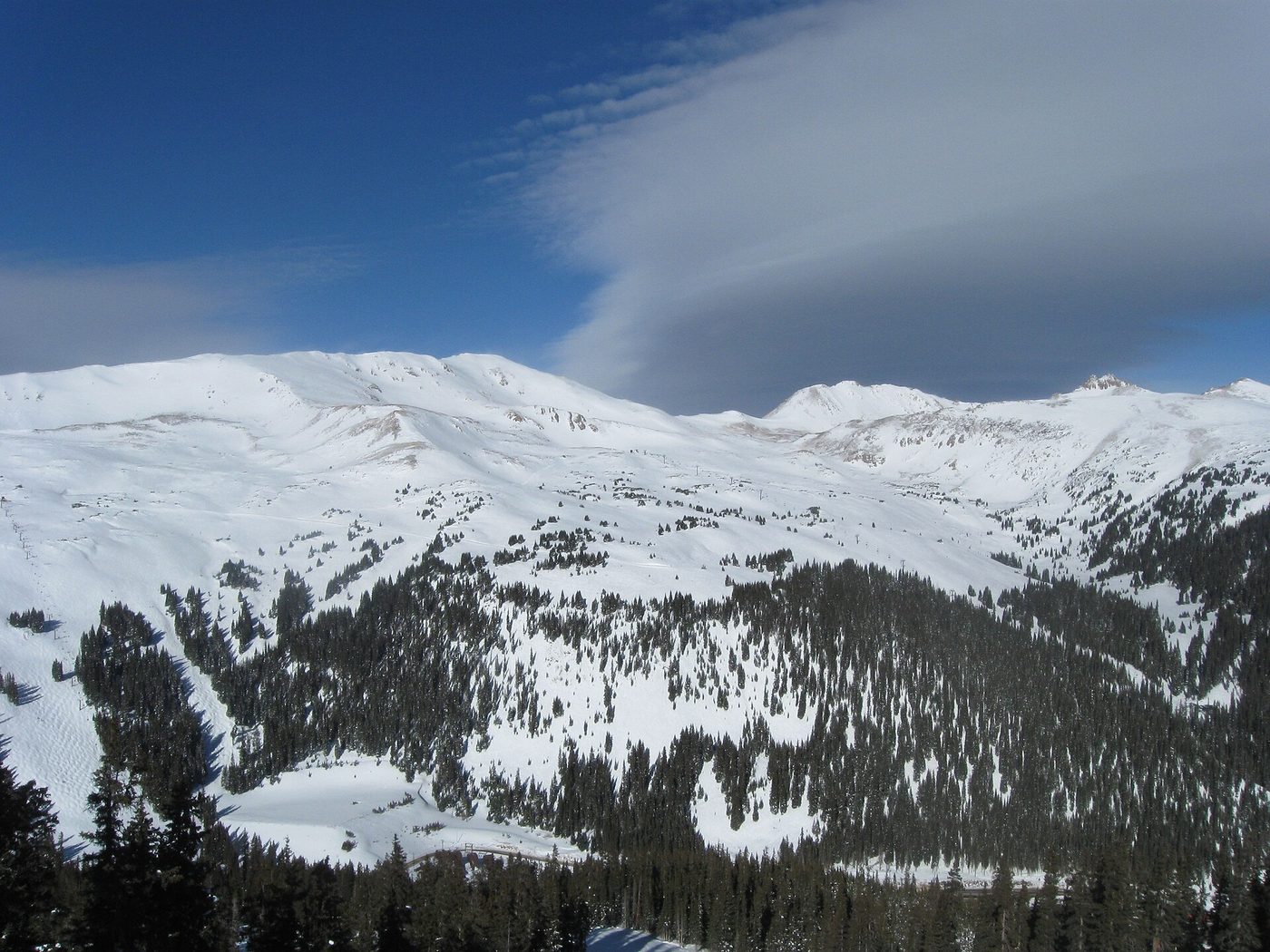
That two-day cap is deliberate, not a limitation to work around. Indy’s participating resorts are independent operators who joined specifically because the pass sends new visitors their way without cannibalizing their own season-pass or repeat-visitor business — a skier who loves a small Indy resort enough to want more than two days there is exactly the kind of visitor the resort hopes will buy a local season pass instead next year.
Why do independent resorts join a shared network at all?
Small, independently owned ski areas face a problem the Vail Resorts and Alterra-owned mountains do not: a single-resort marketing budget cannot compete with a national megapass campaign, and without some way to reach skiers outside their immediate local market, an independent mountain’s visitor numbers are capped by regional population and word of mouth alone. The Indy Pass model solves that by pooling hundreds of small operators into one product that can compete with Epic and Ikon on national visibility, while each resort keeps the thing that makes it independent in the first place — its own pricing, its own season pass program, its own character.
The two-day cap protects the exact revenue those resorts depend on. A pass holder who skis a resort twice on Indy and loves it is a strong candidate to buy that resort’s own season pass the following year, which is worth more to the resort than an unlimited Indy visitor would be. It is a genuinely different economic model from Epic and Ikon, where the operator owns most of the resorts directly and unlimited access simply moves visitors between properties it already controls.
What actually differs about skiing an independent resort?
Beyond price, the character of an Indy-network mountain tends to differ from a megapass destination in a few consistent ways. Crowds are typically lighter, since none of these resorts benefit from a megapass’s marketing reach the way Vail or Park City do, and lift lines that would be routine at a marquee resort on a Saturday are often nonexistent. Service and amenities are more variable — some independent resorts run excellent, well-maintained lift fleets and lodges; others are genuinely bare-bones, T-bars and rope tows included, which is part of the character rather than a flaw for skiers who value that atmosphere. Terrain difficulty varies enormously across the network, from beginner-friendly community hills to serious, locally legendary expert terrain with no crowd-management infrastructure at all. None of this is uniform, which is exactly why checking a specific resort’s own site before a visit matters more on Indy than it does on a standardized megapass resort.
The tiers, explained
- Indy Base. The standard tier, two days at every participating resort, with blackout dates on the highest-demand days at some resorts.
- Indy+. A premium tier that drops the blackout dates entirely, for skiers who need holiday-week flexibility.
- Indy Add-on, from $319 adult / $219 kid. Built for skiers who already hold a full season pass at one of Indy’s partner resorts and want access to the rest of the network on top of it, at a lower price than a standalone Indy Base or Indy+ purchase.
- Indy XC. A cross-country-specific product for the nordic skiing side of the network, entirely separate from the alpine resort list.
- Learn to Turn, $189 adult or kid. Aimed squarely at genuine beginners, pairing a small number of participating resorts with an unmistakably lower price point than any other product on this list.
The Indy XC and Learn to Turn products are worth understanding as distinct from the core Base/Plus/Add-on family rather than lesser versions of them. XC serves an entirely different segment of skiing — cross-country and nordic touring centers, many of which have no alpine lift operation at all — and is priced and structured around that sport’s own economics rather than downhill day-ticket value. Learn to Turn, at a flat $189 regardless of age, is deliberately the cheapest, simplest product in the entire Indy family, designed to remove price as an obstacle for someone trying the sport for the first time rather than to maximize resort variety.
The two honest caveats that matter most: Indy Base and Indy+ prices are not published on the pass homepage and sell in limited allotments with a hard annual sale deadline — the 2026/27 sale ran through 11 September 2026, meaning by the time many skiers start seriously shopping for a pass, the window has already closed for the season. And the partner roster changes every single year, sometimes losing well-known names to the bigger passes — Snowriver, Lutsen and Granite Peak all moved from Indy to become full Ikon partners for 2026/27. Buy Indy for the resorts on the list right now, not the ones you remember being on it two seasons ago.
Which resorts are actually on the Indy Pass?
More than 300, spanning four continents, which makes a complete list impractical — but the pattern across the roster is consistent: independent, often family-owned mountains that skip the marquee-resort marketing budget in favor of authentic terrain, lower crowds and, frequently, lower day-ticket prices even without a pass at all. US examples span the full range from small Northeastern community hills to serious Western terrain with genuine expert reputations; the international side reaches into Canada, Japan, South America and Europe.
The roster is genuinely fluid year to year in a way Epic and Ikon’s more stable corporate rosters are not, since independent resorts negotiate their own participation annually and some get acquired by larger operators and shift to a different pass entirely. Checking the current, live resort list directly on Indy’s own site before buying — not relying on last year’s list or a secondhand summary — is worth the five minutes it takes.
The network by continent
- United States. The largest single share of the network, spanning nearly every ski region from the Northeast through the Rockies to the Pacific Northwest, weighted heavily toward smaller, community and family-owned mountains rather than destination resorts.
- Canada. A meaningful roster of independent Canadian resorts, filling in the gaps between the country’s Epic- and Ikon-affiliated destination mountains.
- Japan. A growing presence reflecting the broader international interest in Japanese powder skiing, alongside the bigger operators’ own Japan partnerships.
- South America and Europe. A smaller but real presence, useful for travelers building a Southern Hemisphere or European trip who want Indy-network access as part of a wider itinerary rather than the sole reason for the trip.
None of these regional slices are static — a resort added this year in any region may not renew next year, and the reverse is equally true. The “four continents” framing in Indy’s own marketing is accurate at a point in time rather than a permanent guarantee for any specific mountain.

Why did some Indy resorts move to Ikon?
Snowriver (Michigan), Lutsen (Minnesota) and Granite Peak (Wisconsin) all moved from the Indy Pass to become full Ikon partners for 2026/27, each now carrying seven days on Ikon’s full tier and five on Base. This is not a one-off — it reflects a broader pattern where the two megapasses actively recruit strong independent and regional resorts away from smaller networks like Indy as those resorts’ visitor numbers and reputations grow. It is worth knowing about specifically because it means the Indy Pass roster should be treated as a snapshot of this season, not a fixed list — a resort you bought Indy partly to access might not be there next year. We cover the full context of this shift in Epic Pass vs Ikon Pass and Ikon Pass explained.
Is the Indy Pass worth it?
Almost certainly yes for skiers who value variety and are not chasing one specific marquee resort, and the math is not close. The Add-on tier, at $319, covers 300-plus resorts at two days each — a single day ticket at some Indy partner resorts can run $60 to $100, meaning the Add-on can pay for itself in three to five days of skiing at resorts you would likely never otherwise visit. Compare that to Epic’s roughly $1,145 or Ikon’s roughly $1,449 full-price tiers, both of which need seven to ten days at their own marquee resorts to break even.
The trade-off is equally clear: Indy does not deliver unlimited access anywhere, and it does not include the household-name resorts — no Vail, no Jackson Hole, no Alta. It is a fundamentally different bet than Epic or Ikon, optimized for trying many different mountains rather than mastering one.
A worked example
Take a skier who buys the Indy Add-on for $319 on top of an existing local season pass, and uses it for six days across three different Indy-network resorts over a season — two days each. If those resorts would otherwise have cost $70 to $90 a day at the window, six days of day tickets would have run $420 to $540, meaning the Add-on already paid for itself within that single season, before counting the value of having tried three new mountains the skier might never otherwise have visited. Run the same math against Indy Base or Indy+ pricing once it is published for the season, and the break-even point moves higher, but the core logic — Indy’s per-resort value is highest for a skier who genuinely wants variety, not for one who would rather spend all six days at a single favorite mountain — holds regardless of tier. Extend that same skier’s math out to a full season of eight or ten days spread across four or five different resorts, and the per-day cost of Indy access keeps falling relative to what an equivalent number of individual day tickets would have cost at each of those mountains separately.
How does Indy compare to Epic and Ikon?
| Indy Pass | Epic Pass | Ikon Pass | |
|---|---|---|---|
| Price | Add-on from $319; Base/Indy+ not published | $1,145 | From $1,449 |
| Access per resort | 2 days | Unlimited (42 resorts) | Unlimited (18) or 7 days |
| Resort character | Independent, community and family-owned | Large corporate destination resorts | Large corporate destination resorts, terrain-focused |
| Best for | Variety, value, trying new mountains | Volume skiing near home, family discounts | Terrain prestige, marquee bucket-list mountains |
| Total resorts | 300+ | ~90 | 70+ |
Indy is not really a direct substitute for Epic or Ikon for a skier whose entire season centers on one or two specific marquee mountains — it is a complement, or a standalone choice in its own right for a skier who has deliberately opted out of the whole corporate megapass model entirely. Many serious multi-pass skiers hold Indy Add-on alongside a full Epic or Ikon pass specifically because the Add-on price is so low relative to the sheer variety of terrain it unlocks on top of an existing season pass.
Who should buy the Indy Pass?
Buy Indy if: you value trying new, independent mountains over repeat visits to one marquee resort; you already hold a season pass somewhere and want the Add-on tier’s cheap variety on top of it; or you are put off by the price and crowds of the two megapasses and want a genuinely different kind of ski season.
Look elsewhere if: you have one or two specific marquee resorts you want to ski regularly and extensively — Indy’s two-day cap per resort makes it a poor fit for anyone planning to spend a full week at a single mountain. For that kind of trip, Epic Pass explained or Ikon Pass explained will serve you better, and Epic Pass vs Ikon Pass walks through choosing between them directly. Beginners specifically should also look at the dedicated Learn to Turn tier, or compare it against other options in the best ski pass for beginners. And if you have not yet settled on any specific pass, the best ski pass for 2026/27 covers the full field from the start, Indy included.
When should you buy the Indy Pass?
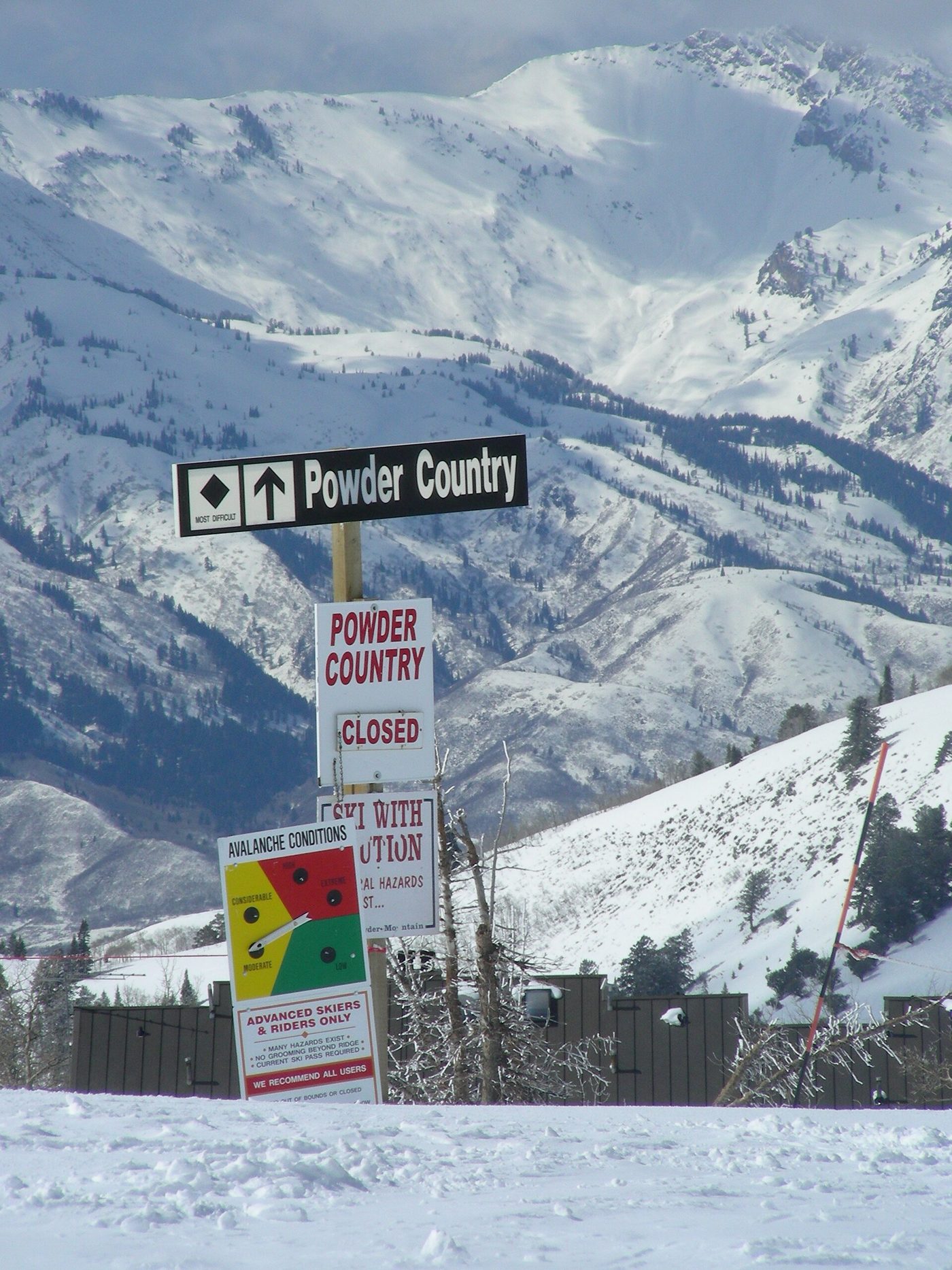
As early as possible in the year — Indy Base and Indy+ sell in limited allotments with a hard annual deadline, and the 2026/27 window already closed on 11 September 2026. Unlike Epic and Ikon, which simply raise prices as the season approaches but remain purchasable right up to opening day, Indy’s entry tiers can sell out entirely before winter even starts. The Add-on tier for existing pass holders tends to have more flexible availability, but the core Base and Indy+ products reward buyers who commit early in the calendar year, often as early as spring, well before most skiers are thinking about the coming season at all.
Frequently asked questions
How much does the Indy Pass cost?
The Indy Add-on tier costs $319 for adults and $219 for kids, for skiers who already hold a season pass at a partner resort. Indy Base and Indy+ prices are not published on the pass homepage and sell in limited allotments — check directly with Indy for current availability and pricing, since both can sell out before the season begins.
Does the Indy Pass include any resorts near me?
With more than 300 participating resorts across four continents, most US regions have at least one nearby option, though the specific list changes yearly. Check the current, live resort map directly on Indy’s own site rather than relying on a static list, since participation shifts from season to season.
Can I use the Indy Pass and Epic or Ikon in the same season?
Yes — a meaningful number of skiers hold Indy’s Add-on tier alongside a full Epic or Ikon pass specifically because the Add-on’s low price adds a large amount of resort variety on top of an existing megapass, at a fraction of what a second full pass would cost.
Why do Indy Base and Indy+ not show prices online?
Indy sells these tiers in limited allotments each year rather than as an unlimited standing product, and the pricing structure is tied to that allotment system rather than published as a fixed number. Check directly with Indy for current pricing and availability, and expect it to change through the sale window.
Is the Indy Pass good for beginners?
The dedicated Learn to Turn tier, at $189 for either an adult or a kid, is built specifically for genuine beginners and is priced well below every other product covered in this guide. For a first season on snow, it is worth comparing directly against a single resort’s own beginner package — see the best ski pass for beginners for the full comparison.
Does the Indy Pass itself carry any blackout dates?
Indy Base carries blackout dates on the highest-demand days at some participating resorts, while Indy+ removes them entirely for a higher price — the same basic structure as Epic’s and Ikon’s mid-tier-versus-full-tier blackout trade-off, just at a much lower overall price point. Confirm blackout terms for the specific resorts you plan to visit directly, since they can vary resort by resort within the network rather than applying as one single uniform calendar.
Can I use the Indy Pass in Europe?
The network includes a smaller European presence than its US, Canadian or Japanese rosters, useful as a supplement to a broader European ski trip rather than the primary reason to plan one. Check the current live resort list for specific European participants before assuming any particular country or region is well covered.
Is the Indy Pass better value than Epic or Ikon for an occasional skier?
For a skier taking a handful of ski days a season across different mountains, yes, almost certainly — the Add-on tier’s roughly $319 price point clears its own break-even in three to five days at typical independent-resort ticket prices, well below the seven-to-ten-day break-even either megapass needs to justify its much higher sticker price.
Sources
Image credits
| Image | Photographer | Licence | Source |
|---|---|---|---|
| Powder Mountain, Utah, Hidden Lake terrain (featured image) | Baileypalblue | Public domain | Commons |
| Bogus Basin, Idaho, base area | cifraser1 | CC BY 2.0 | Commons |
| Powder Mountain, Utah, Sunrise Chair access | Baileypalblue | Public domain | Commons |
| Powder Mountain, Utah, Powder Country sign | Baileypalblue | Public domain | Commons |
| Loveland Ski Area, Colorado | — | — | Site media library |
| Loveland Ski Area, I-70 corridor, Colorado | — | — | Site media library |