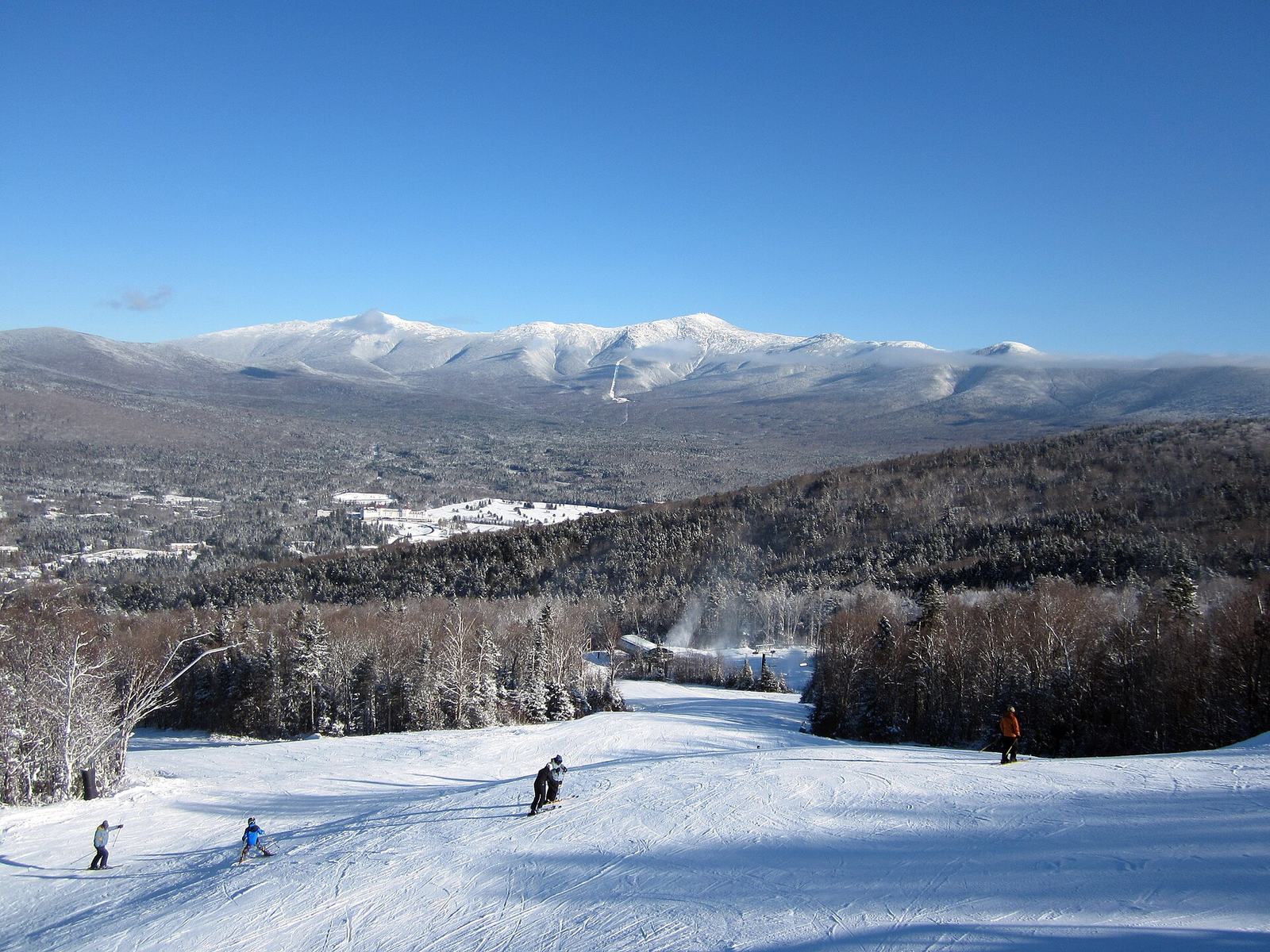
East coast ski resorts are smaller, icier and colder than western ones, and for tens of millions of Americans they are also the only skiing that makes economic sense. Killington is the biggest at 1,977 acres including Pico — roughly a quarter of Park City — with 3,050 feet of vertical and snowmaking on 600 acres. That last number is the one that matters. The East does not compete on snowfall. It competes on snowmaking, on season length, and on being a three-hour drive instead of a five-hour flight.
Skiers who have only skied Colorado tend to be dismissive about this, and skiers who learned in Vermont tend to be defensive about it. Both are missing the point. Eastern skiing is a genuinely different sport with different skills, different economics and different rewards, and judging it by Utah’s standards is like judging a track bike by whether it can go off-road.
What follows is the honest version: which mountains are actually worth travelling for, what the ice is really like and how to ski it, why the snowmaking arms race matters more than any snowfall average, and how the Midwest fits in. There is no pretending here that Stowe is Snowbird. There is also no pretending that a Tuesday at Mad River Glen in February is anything other than excellent.
What makes East Coast skiing different?
Three things: the mountains are small, the snow is manufactured, and everything is close to a city.
The mountains are small in acreage but not always in vertical. Killington drops 3,050 feet and Whiteface 3,430 — figures that sit comfortably alongside Steamboat’s 3,666 and above Vail’s 3,450. What the East lacks is width. You get a real descent; you just get fewer different ones before you have skied the whole mountain.
The snow is mostly made. A good Vermont resort averages 200 to 300 inches of natural snow. It also runs one of the most sophisticated snowmaking systems in the world, blowing snow on hundreds of acres from November to March. That manufactured snow is denser and more durable than natural snow, which is why eastern resorts can open in early November and stay open into May while getting a fraction of Utah’s snowfall.
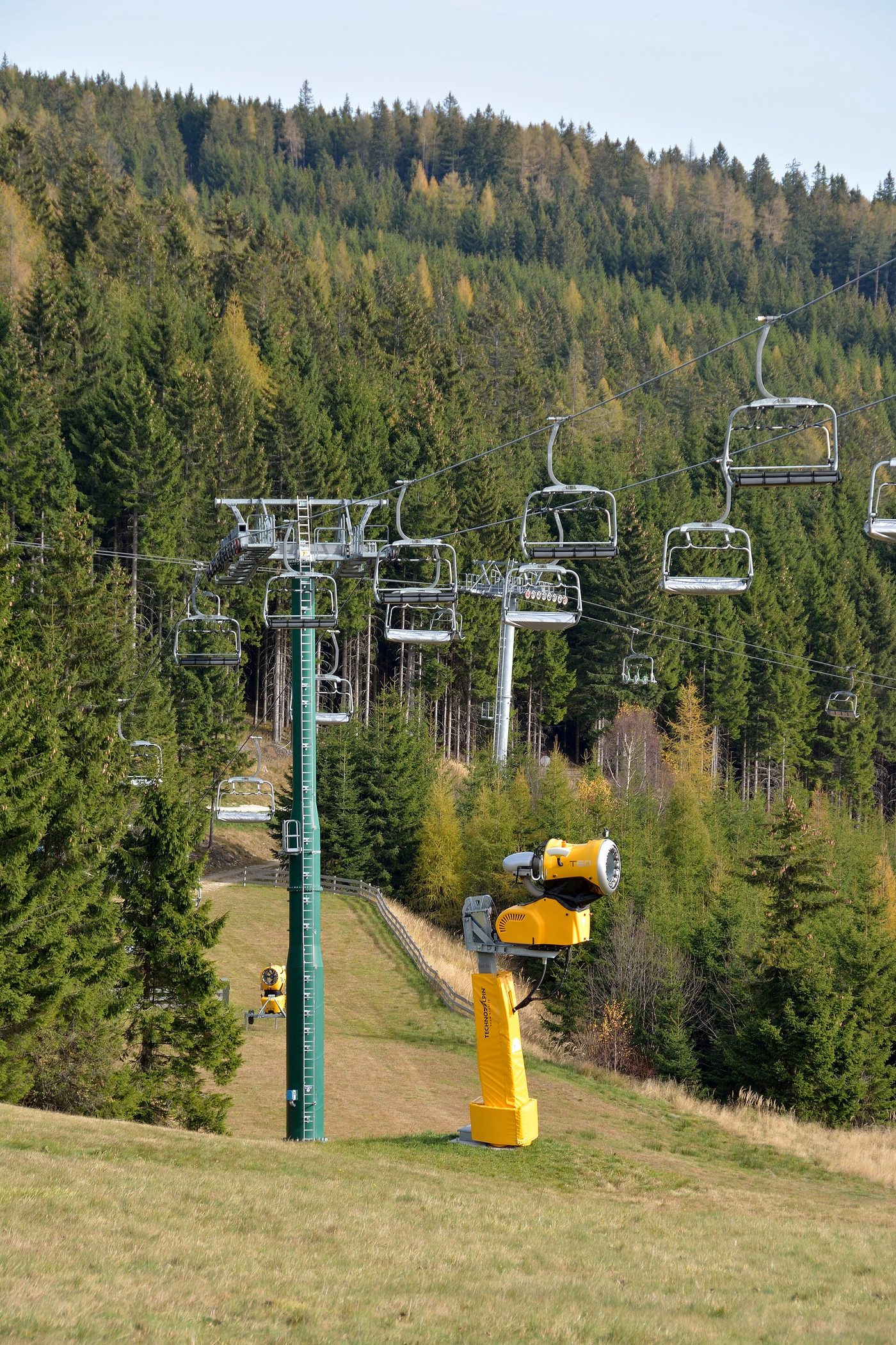
Everything is near a city. Roughly 50 million people live within a day’s drive of Vermont, New Hampshire and Maine. That is the entire economic logic of eastern skiing: a Friday-night drive, two days of skiing, home Sunday, no flights and no bag fees. Our ski travel logistics guide costs out how much that saves.
The consequence of all three is a culture. Eastern skiers are, on average, technically better than western skiers of equivalent experience, because they have spent years making turns on firm snow where technique actually matters. Learning on ice is unpleasant and it makes you good.
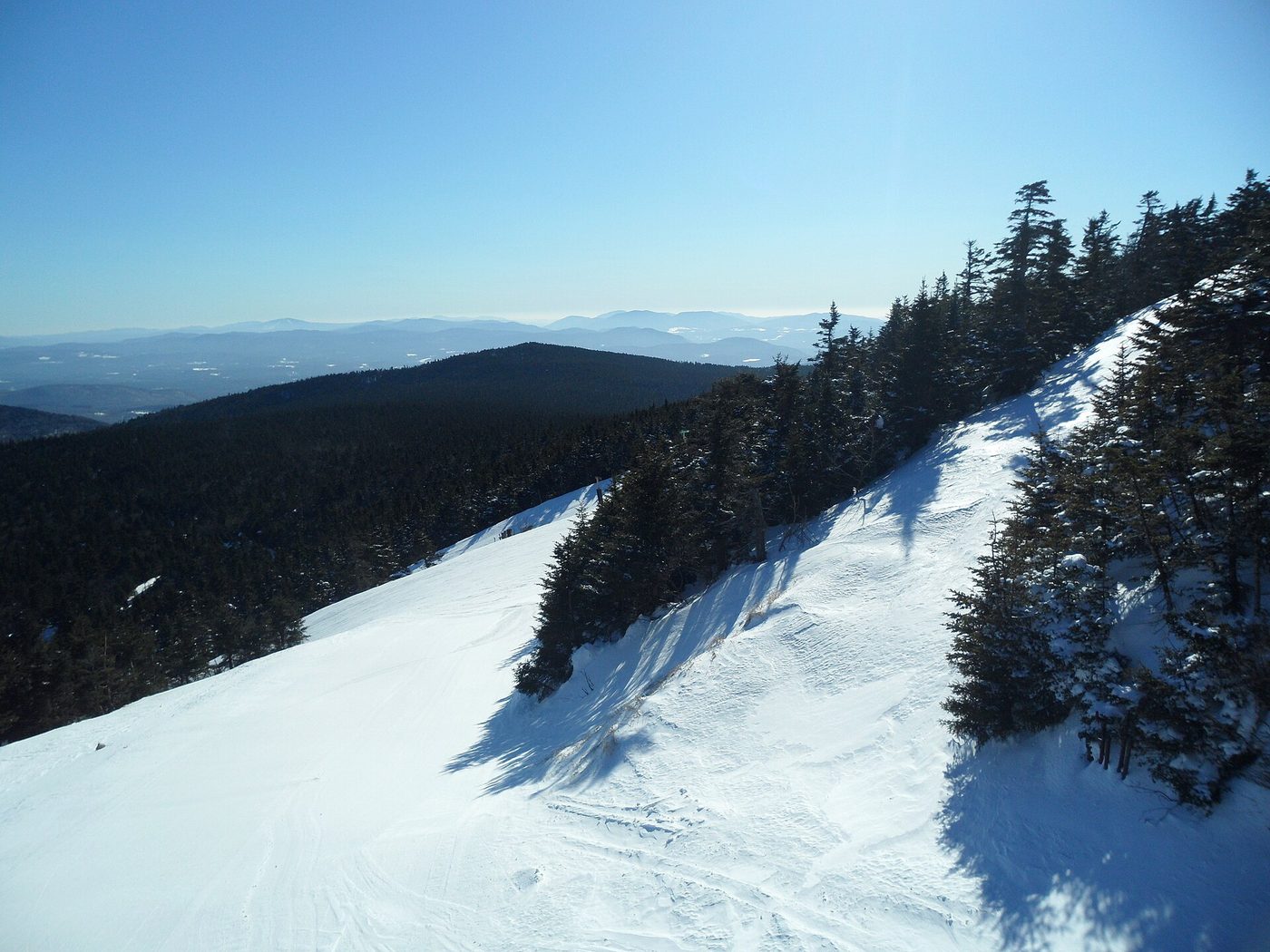
The biggest and best East Coast ski resorts
| Resort | State | Skiable acres | Vertical | 2026/27 pass | Known for |
|---|---|---|---|---|---|
| Killington + Pico | Vermont | 1,977 combined | 3,050 ft | Ikon (7 days) | Size, season length, snowmaking |
| Sugarbush | Vermont | ~484 + backcountry | ~2,600 ft | Ikon | Steeps, Slide Brook, character |
| Stowe | Vermont | ~485 | ~2,360 ft | Epic | The Front Four, the village |
| Jay Peak | Vermont | ~385 | ~2,150 ft | Indy | The most natural snow in the East |
| Sunday River | Maine | ~880 | ~2,340 ft | Ikon | Eight peaks, huge snowmaking |
| Sugarloaf | Maine | ~1,240 | ~2,820 ft | Ikon | The only lift-served above-treeline snowfields in the East |
| Saddleback | Maine | ~600 | ~2,000 ft | Independent | SKI’s 2026 number one in the East |
| Loon Mountain | New Hampshire | ~370 | ~2,100 ft | Ikon | Access from Boston, grooming |
| Cannon Mountain | New Hampshire | ~285 | ~2,180 ft | Independent | Old-school, steep, state-owned |
| Whiteface | New York | ~300 | 3,430 ft | Independent | The biggest vertical in the East |
| Hunter Mountain | New York | ~320 | ~1,600 ft | Epic | Two hours from NYC |
| Windham | New York | ~285 | ~1,600 ft | Independent | The other Catskills option |
Acreage and vertical are resort-reported and are not audited anywhere in the industry. Killington’s figures come from the resort’s own stats page, checked 10 September 2026: 1,977 combined acres, 213 trails, 24 lifts, snowmaking on 600 acres, summit 4,241 feet.
Three things stand out.
Whiteface has the biggest vertical drop in the East at 3,430 feet, which surprises almost everybody. It also has among the least terrain and the coldest, windiest conditions of any major eastern resort. It hosted two Winter Olympics and it skis like a race hill, because that is what it largely is.
Sugarloaf’s above-treeline snowfields are unique in eastern skiing. When they are open — which is not guaranteed, because they need both snow and manageable wind — they are the closest thing to western alpine terrain east of the Rockies.
Saddleback, Maine, was SKI Magazine’s number one resort in the East for 2026, in its reader survey. It is small, remote, was closed for five years, and has been rebuilt with a genuine community focus. Its win says something real about what eastern skiers actually value.
What is happening at Killington, and why it matters
Killington is the largest ski resort in the East and it is now independently owned, which makes it the most interesting business story in American skiing.
POWDR sold Killington and Pico in September 2024 — not to Alterra, as originally proposed, but to a group of 16 partners, 14 of them local individuals and groups, with POWDR keeping a 5% stake and Toronto developer Great Gulf coming in as an investor. The resort is now in its second winter of independent ownership, with more than $60 million of mountain reinvestment completed or under way.
Two consequences worth knowing before you plan a trip.
Killington remains an Ikon partner, but caps Ikon access at seven days by choice. The new owners have been explicit that this is a crowding decision rather than a revenue one — they want to protect the experience for people who buy the mountain’s own season pass. That is an unusual position in an industry moving the other way, and it is one of the reasons Killington skis better on a Saturday than its size would suggest.
A large base village is coming, but not this season. Great Gulf’s plan includes more than 650 ski-in condominiums, shops, restaurants, two public squares and a ski lodge, targeted for the 2027/28 season. For 2026/27, Killington’s base area is what it has always been: functional, spread out, and a car ride from the town of Killington, which is a string of bars and condos along the access road rather than a village.
Killington’s real product is the season. It opens first in the East most years and runs latest, on the strength of a snowmaking system covering 600 acres and a summit at 4,241 feet. If you want to ski in Vermont in November or in May, this is where you go.
What is East Coast ice actually like, and how do you ski it?
Eastern “ice” is usually not ice. It is firm, wind-scoured or refrozen manufactured snow — hard, fast, and grippy if your edges are sharp and your technique is honest. True boilerplate, the blue-glazed surface you cannot get an edge into, happens a few days a season after a rain-freeze cycle, and on those days most people should ski somewhere else or go home early.
The skills that make firm snow enjoyable rather than terrifying:
- Sharp edges. This is not optional in the East. A ski tuned in November and never touched again will not hold on a February groomer. Get them sharpened every five to eight days of skiing.
- Stand on the downhill ski. Firm snow punishes weight on the uphill ski far more than soft snow does. One ski, edged, carrying your weight.
- Turn early and finish the turn. The instinct on ice is to rush the turn and skid. The fix is to start the turn higher up the fall line and let the edge do the work through the whole arc.
- Look further ahead. Firm snow is faster than it looks and your reaction distance is longer.
- Ski the edges of the trail. Groomers push snow to the sides, and the margins are almost always softer than the middle by 11am.
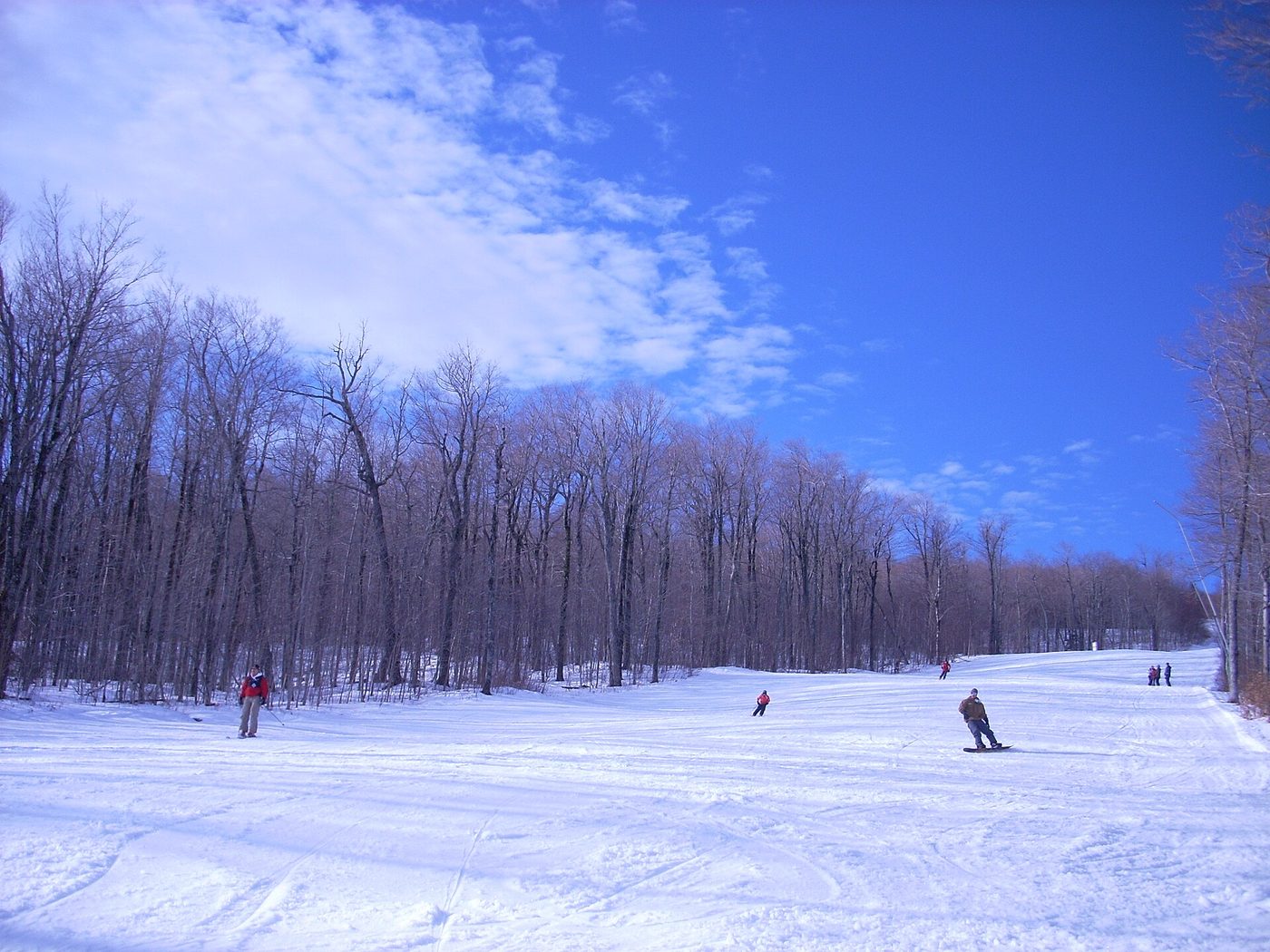
The upside nobody mentions: firm snow makes you a better skier, and it makes powder days elsewhere feel easy. An eastern skier who moves west typically progresses very fast, because the technique is already there. How to ski ice goes into the mechanics properly.
Timing beats technique, though. Ski the days after a snowfall rather than the days after a thaw, ski mornings on groomed trails and afternoons in trees where the snow softens, and treat a rain event in the forecast as a reason to move the trip.
Which pass covers East Coast skiing?
The Northeast is more fragmented than the West, and the independents are stronger. That is good news for value.
Epic covers Stowe, Okemo and Mount Snow in Vermont; Mount Sunapee, Attitash, Wildcat and Crotched in New Hampshire; Hunter in New York; Jack Frost and Big Boulder in Pennsylvania; and Liberty, Roundtop and Whitetail in the Mid-Atlantic. Epic also sells Northeast Value and Northeast Midweek passes at much lower prices than the full Epic Pass, which are among the best regional-pass deals in the country for anyone who skis mostly in the Northeast.
Ikon covers Killington and Pico (seven days), Sugarbush, Stratton, Sunday River, Sugarloaf and Loon. Ikon’s Northeast lineup is arguably the stronger set of mountains; Epic’s is the better-priced set of passes.
The Indy Pass is disproportionately valuable in the East, because the region is full of exactly the kind of independent mid-size mountains Indy exists to cover — Jay Peak, Magic Mountain, Bolton Valley, Berkshire East, Black Mountain and dozens more, two days at each across 300+ resorts on four continents.
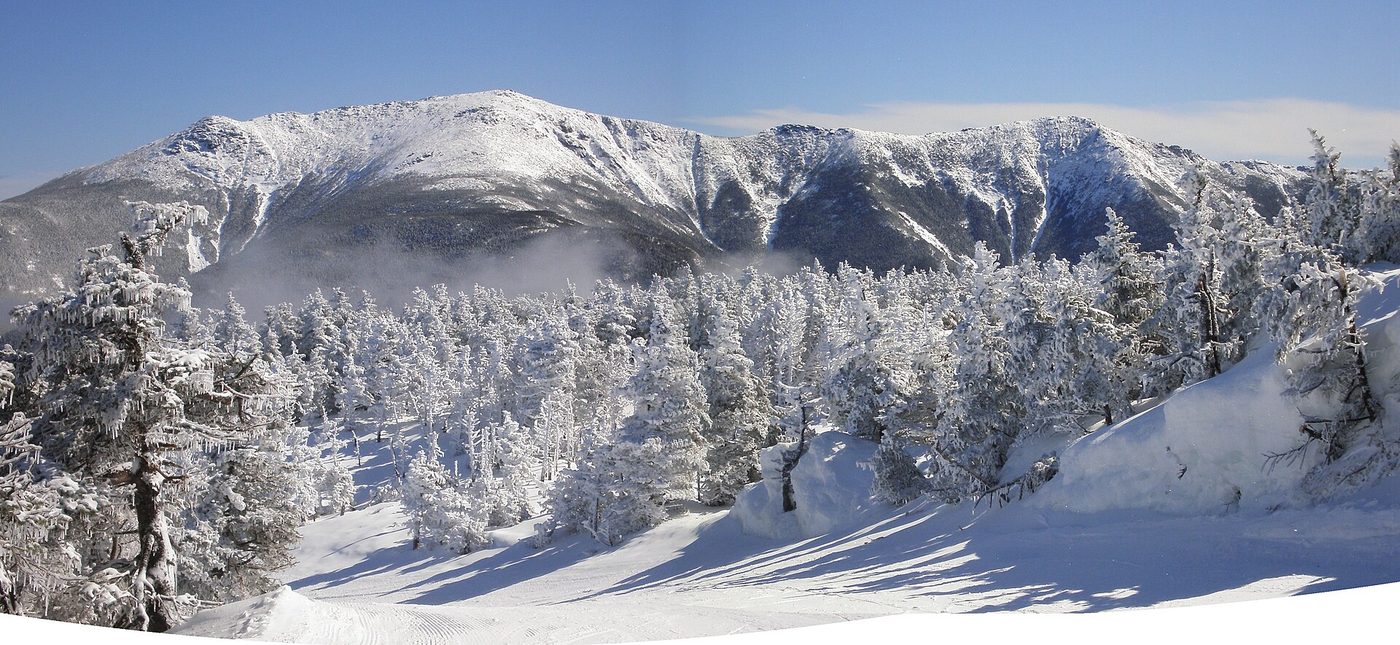
Genuinely independent and worth it: Mad River Glen, which bans snowboarders and is owned by its skiers; Cannon Mountain, which is owned by the state of New Hampshire; Smugglers’ Notch, which is the best family resort in the East; and Whiteface, which is run by New York State.
Pass access checked 10 September 2026. Compare full pricing and access in our ski pass guide.
The honest verdict for the East: unless you are also planning a western trip, a full Epic or Ikon pass is poor value here. Buy the regional pass — Epic Northeast Value, a resort’s own season pass, or an Indy Pass — and spend the difference on more days.
Where should you ski from each city?
The whole point of eastern skiing is proximity, so the honest way to organise it is by where you are driving from.
| From | Closest real skiing | Drive | Worth the extra drive |
|---|---|---|---|
| New York City | Hunter, Windham (Catskills) | 2–2.5 hr | Killington, Stratton, Mount Snow — 4 hr |
| Boston | Wachusett, Crotched | 1–1.5 hr | Loon, Cannon, Waterville — 2–2.5 hr; Vermont — 3 hr |
| Philadelphia | Blue Mountain, Camelback (PA) | 1.5–2 hr | Poconos or 5–6 hr to Vermont |
| Washington DC | Whitetail, Liberty, Wisp | 1.5–3 hr | Seven Springs PA, or fly |
| Montreal | Bromont, Sutton (QC) | 1–1.5 hr | Jay Peak, Stowe — 1.5–2.5 hr |
| Toronto | Blue Mountain (ON) | 2 hr | Quebec or fly west |
| Chicago | Wisconsin and Michigan hills | 2–5 hr | Fly, honestly |
The Catskills are underrated for New Yorkers and overrated by New Yorkers at the same time. Hunter and Windham are two hours from Manhattan and they are genuinely fine mid-size mountains — but they are also the most crowded skiing in America on a Saturday, because everyone in a city of eight million has the same idea. Go midweek or go further.
Boston has the best position of any major US city for skiing. Loon, Cannon, Waterville Valley, Bretton Woods and Sunapee are all inside two and a half hours, and the whole of Vermont and southern Maine is inside four. Ski resorts near Boston covers it in detail, and ski resorts near NYC and ski resorts near DC do the same for the other two.
What about Midwest skiing?
It is real, it is cheap, and it is where a very large number of American skiers learn. Nobody flies to Michigan for a ski holiday, and nobody should pretend otherwise — but the Midwest hills serve their purpose extremely well.
The best of them: Boyne Mountain and Boyne Highlands in Michigan, Mount Bohemia in the Upper Peninsula (which gets over 250 inches, has no snowmaking, no grooming and no beginner terrain), Granite Peak in Wisconsin, Lutsen in Minnesota, and Nub’s Nob, which consistently wins grooming awards against far larger resorts.
A notable 2026/27 change: Snowriver (Michigan), Lutsen (Minnesota) and Granite Peak (Wisconsin) all moved from the Indy Pass to become full Ikon partners — seven days on the full pass, five on Base. That is the first serious Midwest presence on a major national pass, and it changes the calculation for anyone in Chicago or Minneapolis deciding between a regional pass and a national one.
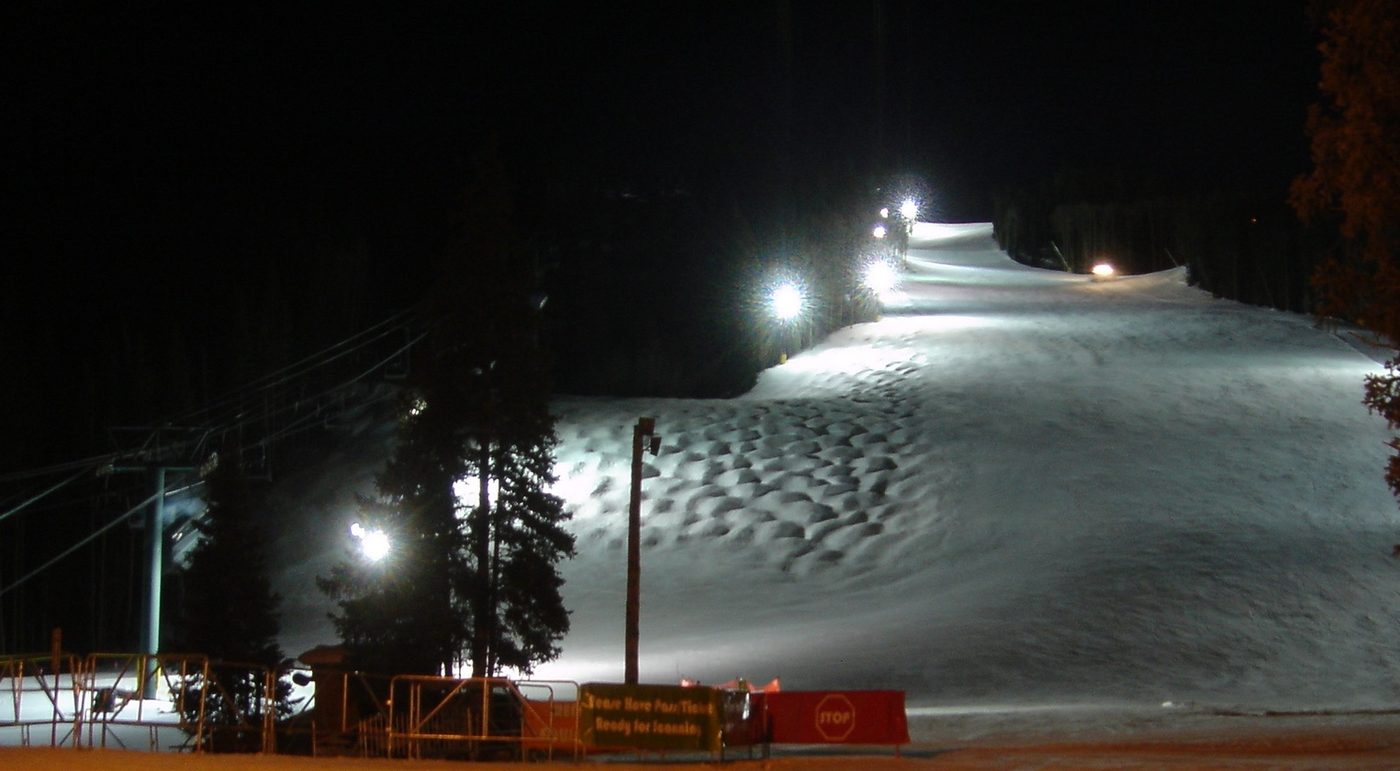
The realistic assessment: Midwest verticals run 300 to 900 feet. You will ski top to bottom in ninety seconds. What you get in exchange is a $50 lift ticket, a twenty-minute drive, night skiing until 9pm, and enough repetition to actually get good. That is a better learning environment than a $250 day at a destination resort, and our skiing for beginners guide makes the case for exactly this kind of hill.
Midwest ski resorts covers the region properly.
Which East Coast ski resort suits which skier?
The region rewards matching the mountain to the person more than the West does, because eastern resorts are small enough to be genuinely specialised. A short list of honest recommendations:
First-time skiers. Bretton Woods, New Hampshire, and Smugglers’ Notch, Vermont. Both have wide, gentle, well-separated beginner terrain and ski schools that are used to complete novices. Bretton Woods in particular has the most forgiving lower mountain in New England, plus a view of Mount Washington that makes the day feel like an event.
Families with mixed abilities. Smugglers’ Notch, Okemo and Loon. All three have strong children’s programmes, easy navigation and enough intermediate terrain to keep adults occupied for a week.
Confident intermediates. Killington, Sunday River and Stratton. Enough terrain that you will not repeat yourself, excellent grooming, and lifts that move.
Advanced and expert skiers. Sugarbush’s Castlerock, Stowe’s Front Four, Mad River Glen’s single chair, Jay Peak’s glades and Cannon’s Zoomer face. Eastern expert terrain is short and genuinely steep, and the glades are the region’s best-kept secret — Jay Peak and Sugarbush have tree skiing that stands comparison with anywhere.
Anyone chasing natural snow. Jay Peak, which sits in a microclimate near the Quebec border and out-snows every other resort in the East by a wide margin.
People who want the mountain, not the resort. Mad River Glen, which is owned by a cooperative of its own skiers, still runs a single chairlift from 1948, bans snowboarding and has resisted almost every modernisation the industry has adopted. It is the most opinionated ski area in America and it is not for everyone, which is entirely the point.
Weekend warriors from a city. Whichever mountain you can reach before the traffic. Two days at a mid-size resort you drove to on Friday night beats one day at a better mountain you spent Saturday morning reaching.
Five mistakes people make skiing the East
1. Buying a full national pass. Unless a western trip is also on the calendar, Epic Northeast Value, a resort’s own season pass or an Indy Pass will cost far less and cover more of what you actually ski.
2. Skiing after a thaw instead of after a snowfall. Eastern conditions are driven by the last weather event, not by the seasonal average. A Tuesday after six inches is a completely different mountain from the same Tuesday after 40°F and rain.
3. Neglecting the tune. Dull edges on eastern hardpack turn a good skier into a nervous one. Every five to eight ski days.
4. Underdressing. Eastern January with wind is genuinely severe — a wind chill well below zero on a chairlift is normal, not exceptional. Layer properly and cover your face; what to wear skiing has the specifics.
5. Booking a Saturday in the Catskills. Hunter and Windham are two hours from a city of eight million. The lift lines reflect that. Go midweek, or drive another two hours to Vermont.
What does an East Coast ski trip cost?
Meaningfully less than a western one, mostly because you drive and mostly because lodging is cheaper. A weekend from a Northeast city is one of the best value propositions in American skiing.
| Line item | Northeast weekend | Western destination week |
|---|---|---|
| Travel | $60–160 fuel and tolls | $600–1,200 flights and bags |
| Lift ticket per day | $95–190 | $150–260 |
| Lodging per night | $130–320 | $200–650 |
| Rental gear per day | $40–60 | $45–85 |
| Lunch | $18–28 | $22–40 |
| Two people, 2 days / 4 days | $700–1,400 | $2,600–5,200 |
Indicative ranges as of 10 September 2026 for the 2026/27 season. Advance-purchase lift tickets run 20–40% below window prices at every major eastern resort — never pay the window rate. Full modelling in ski trip cost.
Three specific ways to cut it further:
- Buy the regional pass. Epic Northeast Value, a mountain’s own season pass, or an Indy Pass. Four or five days pays most of them back.
- Ski midweek. Eastern resorts are built for weekend crowds and empty on a Wednesday. Lift tickets drop 20 to 40%, lodging more.
- The Fifth Grade Passport. Ski Vermont’s passport costs $30 and gives fifth-graders three vouchers at each of 20 downhill resorts, with no residency requirement — an out-of-state family with a ten-year-old should know this exists. Details in where kids ski free.
When is the best time to ski the East Coast?
Late January through early March, and specifically the days immediately after a snowfall rather than after a thaw. That window has the deepest manufactured base, the most open terrain, the coldest and most stable temperatures, and the lowest chance of the rain events that define a bad eastern day.
A season in outline:
- November–early December: Killington, Sunday River and Sugarbush race to open. Limited terrain, cheap tickets, and a genuine novelty in being on snow before Thanksgiving.
- Late December: Holiday crowds and holiday prices. Terrain is often still limited. Avoid unless you have no choice.
- January: The best conditions of the season, and the coldest. Dress properly — see what to wear skiing — because eastern January cold with wind is genuinely severe.
- February: Peak conditions, peak crowds, peak prices. Presidents’ week is the busiest week of the eastern season by a distance.
- March: The value sweet spot. Deep base, longer days, softer snow, falling prices.
- April–May: Killington and Jay Peak run latest. Spring skiing in the East is patchy but genuinely fun.
The thing to plan around is rain. Unlike the West, the Northeast gets winter rain events, and a rain-then-freeze cycle produces the boilerplate that gives eastern skiing its reputation. Watch the forecast and be willing to move a weekend. The ski season guide covers the calendar more broadly.
Is East Coast skiing worth it if you have skied out West?
Yes, on its own terms, and no if you are expecting the same thing. The honest comparison:
What the East does better: cost, access, season length, night skiing, lift ticket availability without advance planning, and a genuine local ski culture that is not built around tourism. A Vermont mountain on a Wednesday in February has a community around it that a Colorado resort simply does not.
What the West does better: everything to do with snow, terrain size, altitude, sunshine and views.
The verdict: if you live in the Northeast, ski the East regularly and take one western trip a year. If you live in the West, there is no particular reason to fly east to ski — but if you find yourself in Vermont in February, it is a much better mountain sport than the jokes suggest. The full comparison lives in east coast vs west coast skiing, and the national picture in best ski resorts in the US.
Frequently asked questions
What is the biggest ski resort on the East Coast?
Killington in Vermont, at 1,977 skiable acres combined with Pico Mountain — 1,509 acres for Killington alone — with 213 trails, 24 lifts, 3,050 feet of vertical and a 4,241-foot summit. It also runs the largest snowmaking operation in the East, covering 600 acres, which is why it typically opens first and closes last.
Which East Coast ski resort has the most vertical drop?
Whiteface Mountain in New York, at 3,430 feet — more than Killington’s 3,050 and more than most people expect from the East. Whiteface hosted the 1932 and 1980 Winter Olympics. It has relatively little terrain for that vertical, and it is among the coldest and windiest of the major eastern resorts.
Is East Coast skiing really all ice?
No. Eastern surfaces are mostly firm manufactured or refrozen snow, which is fast and grippy if your edges are sharp. True boilerplate happens a handful of days a season after rain-freeze cycles. Ski the days after a snowfall rather than after a thaw, keep your skis tuned, and firm snow becomes a technical pleasure rather than an ordeal.
Which is better for the Northeast, Epic or Ikon?
Ikon has the stronger set of Northeast mountains — Killington, Sugarbush, Sugarloaf, Sunday River, Stratton, Loon. Epic has the better prices, because its Northeast Value and Northeast Midweek regional passes cost a fraction of a full national pass. For anyone skiing only in the East, a regional or independent pass beats both national passes on value.
What are the best ski resorts in Vermont?
Killington for size and season length, Stowe for the village and the Front Four, Sugarbush for steep terrain and character, Jay Peak for natural snow, Mad River Glen for a mountain that has deliberately refused to modernise, and Smugglers’ Notch for families. Vermont has more genuinely good ski areas per square mile than any other US state.
How much does an East Coast ski weekend cost?
Roughly $700 to $1,400 for two people over two days, including fuel, lodging, lift tickets and food — against $2,600 to $5,200 for a comparable four-day western trip once flights are counted. Buying tickets in advance saves 20 to 40% against the window price, and skiing midweek saves more again.
Can you ski at night on the East Coast?
Yes, more than anywhere else in the country. Night skiing is standard at Pennsylvania, New York and Midwest hills and common in New England, typically running until 9 or 10pm. It is the reason midweek after-work skiing is a real thing in the East in a way it is not in Colorado.
Is Killington still on the Ikon Pass?
Yes, for 2026/27, at seven days. Killington’s independent owners have deliberately capped Ikon access rather than expanding it, on the grounds that crowding degrades the experience for people who buy the mountain’s own pass. Confirm current terms on the Ikon and Killington sites before purchasing.
The bottom line
East coast skiing is a different sport played on the same equipment. It is smaller, firmer, colder and far cheaper, and it is available to more Americans than anything in the Rockies.
Play to its strengths. Buy a regional pass, not a national one. Ski midweek, or accept that Saturday at Hunter is what it is. Watch the forecast for rain, not just for snow, and be willing to move a weekend. Get your edges sharpened more often than you think you need to. And take one western trip a year to remember what soft snow feels like.
Then work through the guides beneath this one. By state: Vermont ski resorts, New Hampshire ski resorts, Maine ski resorts, New York ski resorts, Pennsylvania ski resorts and Midwest ski resorts. By city: ski resorts near NYC, ski resorts near Boston and ski resorts near DC. And for the two questions that come up most: how to ski ice and east coast vs west coast skiing, plus east coast ski weekend if you are planning one now.
Resort statistics, pass access and prices checked 10 September 2026 for the 2026/27 season. Acreage and vertical figures are resort-reported and unaudited — confirm terrain openings and pass terms with the resort before booking.
There is a reason eastern skiers tend to be technically sharp: firm snow punishes every bad habit immediately. If you learned here and have stalled on groomed blues, the fix is rarely more mileage and almost always feedback — a lesson, or a phone video of yourself, followed by deliberate practice on terrain slightly harder than feels comfortable. Our guide to how to get better at skiing sets out the five fixes that matter most.
Sources
- Killington Resort — mountain statistics, checked 10 September 2026
- Killington Resort — a new era of independence begins
- Seven Days — Killington’s new owners are independent, local-minded
- Vermont Business Magazine — Killington sale closes, Great Gulf becomes minority investor
- Ski Vermont — Fifth Grade Passport, checked 10 September 2026
- Ski Area Management — Saddleback and Big Sky top the 2026 SKI reader survey
- Epic Pass — official pass pricing, including Northeast regional passes, checked 10 September 2026
- Ikon Pass — 26/27 pricing and access, checked 10 September 2026
- Indy Pass — partner resorts and pass tiers, checked 10 September 2026
Acreage and vertical figures for resorts other than Killington are compiled from operators’ own published statistics. Nobody audits ski resort acreage anywhere in the industry, so treat every such number as directional.
Image credits
| Image | Photographer | Licence | Source |
|---|---|---|---|
| Bretton Woods with Mount Washington beyond (featured image) | Storylanding | CC0 | Commons |
| Snow gun and chairlift before the season | Peter Haas | CC BY-SA 3.0 | Commons |
| Killington ski area, Vermont | EgorovaSvetlana | CC BY-SA 4.0 | Commons |
| New England groomed trail | Henry P. Gray | CC BY-SA 3.0 | Commons |
| Franconia Ridge from Cannon Mountain | Ericshawwhite | CC BY-SA 3.0 | Commons |
| Night skiing and the lift pass gate | Unknown author | CC BY 2.0 | Commons |