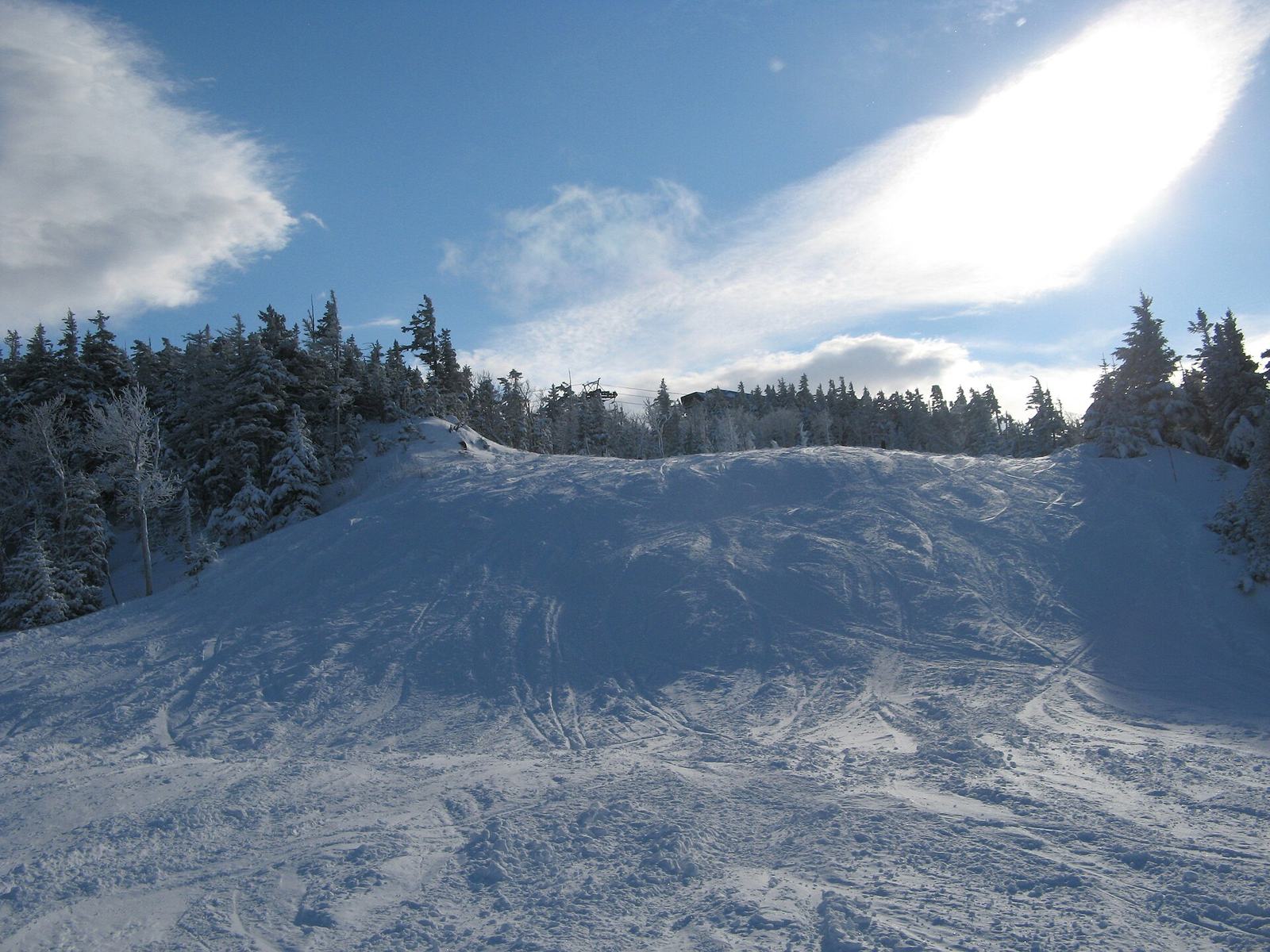
Epic Pass vs Ikon Pass comes down to one fact that overrides almost everything else: for 2026/27, the two passes share no resorts anywhere in the world. Epic, at $1,145, wins on volume, Colorado convenience and family discounts. Ikon, from $1,449, wins on terrain prestige — Jackson Hole, Alta, Snowbird, Deer Valley, Big Sky. There is no overlap to hedge with, so the real decision is not which pass is “better” in the abstract, but which half of the continent’s marquee resorts you are actually going to ski.
That zero-overlap fact is new enough that a lot of skiers are still making the purchase decision the old way — buy whichever is cheaper, since you’ll end up skiing many of the same mountains regardless. That logic no longer works. Buy the wrong pass this season and you will own $1,145 or more of plastic that does not open the lift you are standing in front of. If you have not yet narrowed the field beyond these two, the best ski pass for 2026/27 covers the full landscape, including Indy and Mountain Collective, before you commit to this specific fork.
This guide goes resort by resort, region by region, and skier-type by skier-type, using prices checked against each operator’s own pages on 10 September 2026 — including the specific resorts each pass drops entirely, the mid-tier passes that quietly remove the resort you actually wanted, and the handful of situations where owning both passes at once genuinely makes sense.
The headline numbers
| Epic Pass | Ikon Pass | |
|---|---|---|
| Full adult price | $1,145 (31+) | From $1,449 (23+) |
| Mid-tier | Epic Local, $849 | Ikon Base, from $1,019 |
| Unlimited resorts | 42 | 18 |
| Total destinations with any access | ~90 | 70+ |
| Access pattern beyond unlimited | Varies by regional tier | 5 or 7 days per resort |
| Renewal discount | Varies by product | Roughly $50 off new-buyer price |
| Character | Volume, convenience, family discounts | Terrain prestige, marquee mountains |
Epic raised prices on 7 September 2026; Ikon steps up again through October and November. Both numbers move during the autumn sale window, so treat these as a floor rather than a final quote if you are buying later in the season.
The price trajectory this season is worth seeing in full, since it explains why “buy early” is not just marketing copy. Epic’s full pass launched in March 2026 at $1,089 and Epic Local at $809; both jumped with the 7 September increase to $1,145 and $849 respectively. Ikon’s launch pricing was $1,399 for the full pass and $949 for Base, and both step up further through October and November on a published schedule. A skier who bought either pass in March saved real money over the same product bought this week, and anyone buying after the autumn increases has already missed the best price of the year, though not necessarily the best pass for their trips.
Which resorts does each pass actually cover?
This is the question that actually matters, and it is worth being specific rather than trusting a marketing map.
Epic Pass, unlimited and unrestricted (a sample of the 42): Vail, Beaver Creek, Breckenridge, Keystone, Crested Butte, Park City, Heavenly, Northstar, Kirkwood, Stowe, Okemo, Mount Snow, Whistler Blackcomb, and a roster of European partners.
Ikon Pass, unlimited (all 18): Palisades Tahoe, Mammoth, Arapahoe Basin, Copper Mountain, Winter Park, Steamboat, Eldora, Solitude, and a handful of others — this is the shortest, most heavily trafficked list on either pass, which is exactly why it is unlimited.
Ikon Pass, seven days each on the full tier: Jackson Hole, Deer Valley, Alta and Snowbird (two resorts sharing one seven-day allotment), Sun Valley, Snowbasin, Aspen Snowmass (four mountains sharing one seven-day allotment), Big Sky.
Notice what is missing from Epic entirely: Alta, Snowbird, Jackson Hole, Deer Valley, Big Sky, Aspen. None of them are Epic destinations, on any tier, at any price. And notice what is missing from Ikon: Vail, Breckenridge, Keystone, Beaver Creek, Whistler Blackcomb. Those are the two lists a lot of skiers assume overlap somewhere. They do not.
Region by region, side by side
| Region | Epic side | Ikon side |
|---|---|---|
| Colorado Front Range / Summit County | Vail, Beaver Creek, Breckenridge, Keystone, Crested Butte | Winter Park, Copper Mountain, Arapahoe Basin, Eldora |
| Colorado, Western Slope | — | Steamboat, Aspen Snowmass (four mountains) |
| Utah | Park City | Alta, Snowbird, Brighton, Solitude, Deer Valley, Snowbasin |
| Wyoming | — | Jackson Hole |
| Montana | — | Big Sky |
| Lake Tahoe, California/Nevada | Heavenly, Northstar, Kirkwood | Palisades Tahoe, Mammoth, Alpine Meadows |
| Idaho | — | Sun Valley |
| Pacific Northwest | Stevens Pass | Crystal Mountain, Mt. Bachelor |
| Vermont / New Hampshire | Stowe, Okemo, Mount Snow, Attitash, Wildcat | Killington, Pico, Sugarbush, Stratton, Loon |
| Maine | — | Sunday River, Sugarloaf |
| Midwest | — | Snowriver (MI), Lutsen (MN), Granite Peak (WI) — new full partners for 2026/27 |
| British Columbia | Whistler Blackcomb; Fernie, Kicking Horse (7 shared days) | Revelstoke, Red Mountain, Panorama, Sun Peaks |
| Quebec / Ontario | — | Mont Tremblant, Blue Mountain |
| Japan | — | Niseko United plus eight other resorts |
That Midwest row is new and worth flagging on its own: Snowriver, Lutsen and Granite Peak all moved from the Indy Pass to Ikon as full partners for 2026/27, seven days on the full pass and five on Base. Epic added no comparable new destinations this season — the gap in the Midwest specifically widened rather than narrowed.

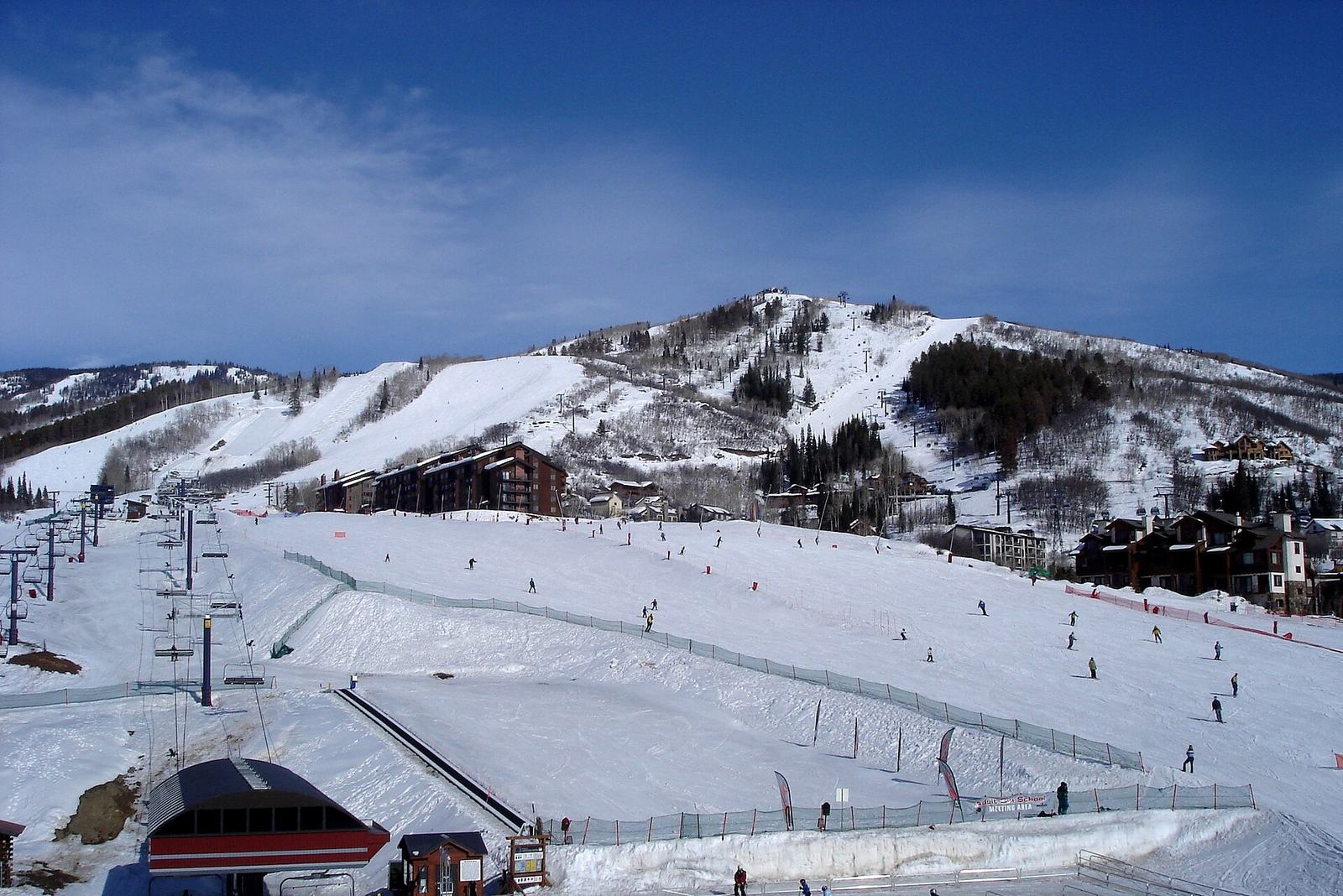
Is Epic or Ikon better for Colorado skiers?
For skiers based in or regularly visiting Colorado’s Front Range and Summit County, Epic is close to unarguable. Breckenridge, Keystone, Vail and Beaver Creek are all unlimited on the full Epic Pass and all within roughly two hours of Denver. Ikon’s Colorado roster — Steamboat, Winter Park, Copper, Arapahoe Basin, Aspen Snowmass — is genuinely excellent, but it is scattered rather than clustered, and Aspen specifically is capped at seven shared days across four mountains on the full tier. A Front Range skier who wants to ski most weekends without counting days gets more from Epic’s Summit County density than from Ikon’s more spread-out Colorado list.
The exception: skiers who specifically want Aspen or Steamboat as their primary mountain, and are not especially interested in Summit County’s I-70 corridor resorts, should weight Ikon more heavily despite the general Colorado-favors-Epic pattern.
Drive time inside Colorado is worth spelling out, because it changes the calculus more than most skiers expect. Breckenridge and Keystone both sit under two hours from Denver in normal traffic; Vail and Beaver Creek push closer to two and a half. Steamboat, by contrast, is a genuine three-plus-hour drive from the Front Range each way, which turns it from a day-trip option into a dedicated weekend or longer commitment regardless of which pass covers it. A skier evaluating Epic’s Summit County cluster against Ikon’s Steamboat-and-Aspen cluster is not just comparing passes — they are comparing a cluster of short day trips against a smaller number of longer weekend trips, and that distinction should drive the decision as much as the resort names themselves.
Is Epic or Ikon better for Utah and Wyoming skiers?
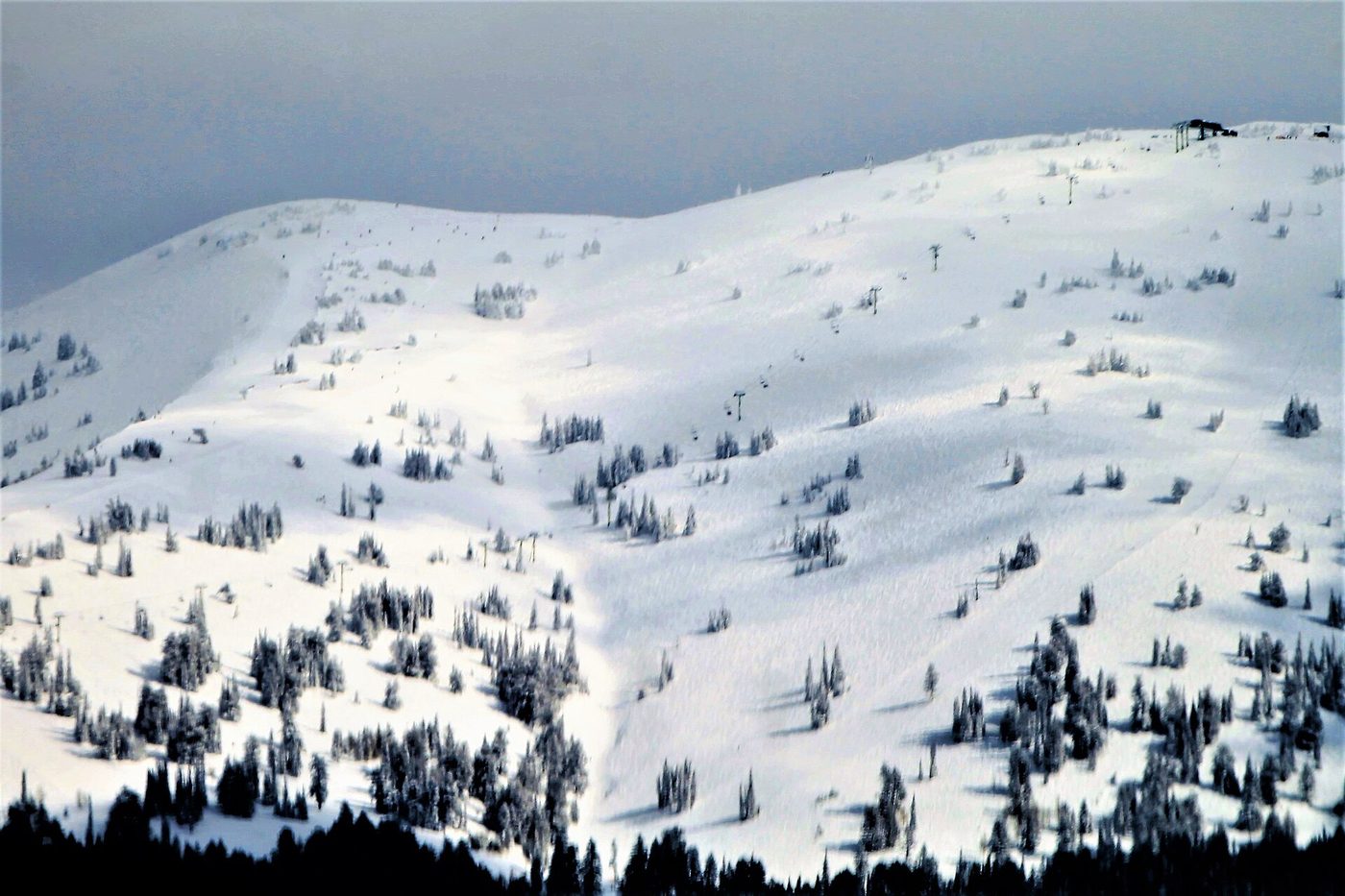
Ikon, comfortably, and it is not close. Alta, Snowbird, Brighton, Solitude and Deer Valley are all Ikon-side; Epic’s only Utah presence is Park City. Anyone flying to Salt Lake City specifically for the Cottonwood Canyons’ famously light, dry snow has one real option. The same logic applies even more strongly to Jackson Hole in Wyoming — Ikon, with no Epic equivalent anywhere in the state.
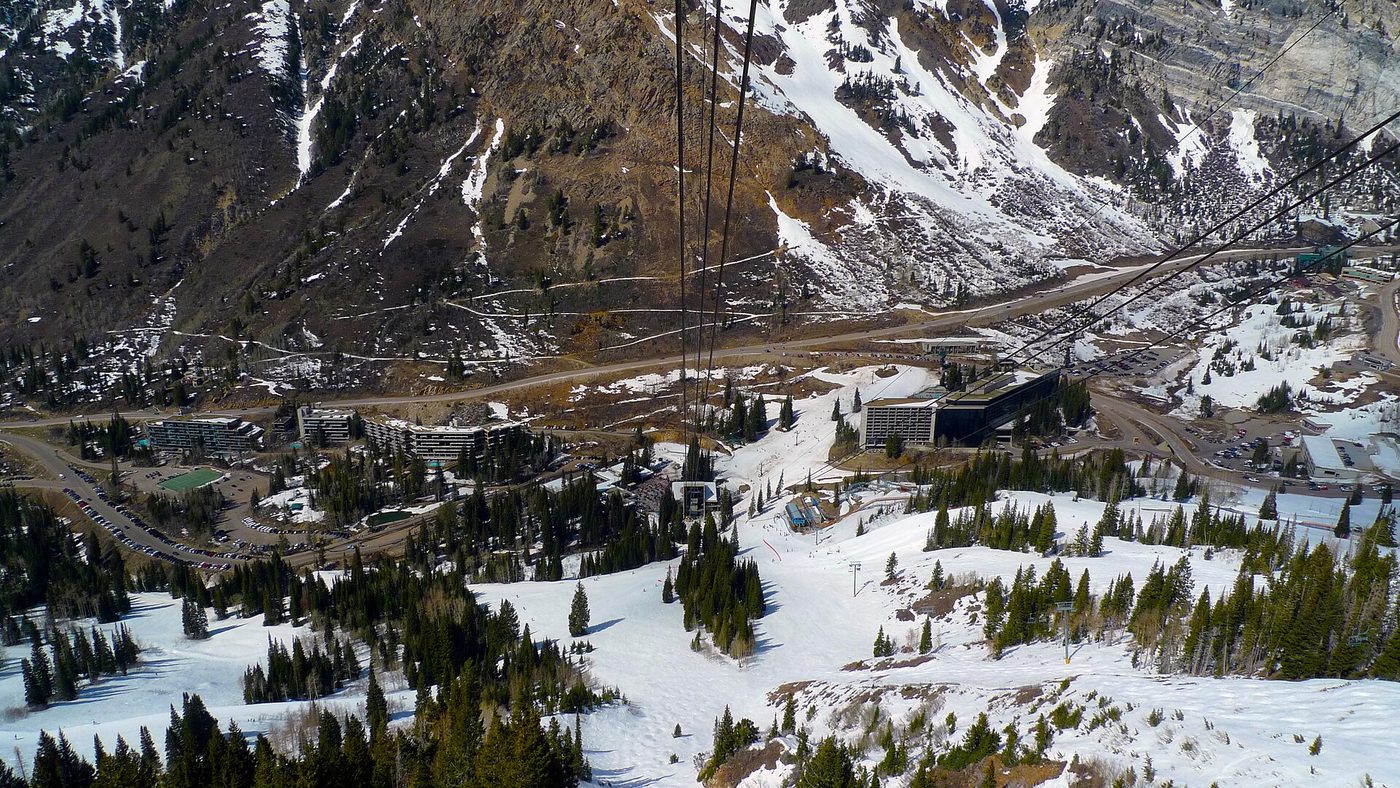
Salt Lake City’s airport access is part of why this region matters so much to the comparison: Little Cottonwood and Big Cottonwood Canyons sit close enough to the airport that a skier can land and be on snow the same day, a combination few other US ski regions can match. That proximity concentrates an unusual density of serious terrain — Alta, Snowbird, Brighton, Solitude and Park City all within a short drive of each other and of a major international airport — which is a large part of why Ikon’s Utah roster carries so much weight in this comparison relative to its raw resort count. Canyon traffic remains a real, unresolved friction point for 2026/27, with UTA buses still running on the same roughly 30-minute frequency and no toll yet in place, a detail worth planning around regardless of which pass gets you there.
Which pass is better for a powder-focused, terrain-first skier?
Ikon, for most strong skiers who prioritize terrain difficulty and snow quality over convenience. Jackson Hole, Big Sky, Alta and Snowbird are routinely cited among the most serious terrain in North America by independent ranking systems, and all four sit on Ikon. Snowfall is part of that reputation but not the whole story — Alta averages roughly 546 inches a year, among the highest published figures in Utah, while Jackson Hole’s roughly 458-inch average comes with the longest continuous lift-served descent in the country, a single tram ride covering more than 4,100 vertical feet. Big Sky adds sheer scale, at 5,850 skiable acres and over 4,000 feet of vertical. Epic’s roster leans toward resorts optimized for grooming, crowd management and family infrastructure — excellent skiing, but a different character than the Ikon flagship mountains. This is not a universal rule: Vail is a legitimately enormous, serious mountain on Epic, and plenty of expert skiers are perfectly happy there. But as a pattern across each pass’s full roster, Ikon’s collection skews harder and more terrain-focused.
Which pass is better for families?
Epic, primarily because of Epic Mountain Rewards and Epic Friend Tickets. Epic Mountain Rewards gives pass holders 20% off on-mountain food, lodging and group lessons — for a family of four taking lessons and eating on the hill across a season, that can recover several hundred dollars that never shows up in a simple price comparison. Epic Friend Tickets let pass holders share up to 50% off lift tickets with people who do not have a pass, which matters for families where kids or grandparents ski occasionally rather than every trip. Epic SchoolKids adds free or steeply discounted access for young children in several states, including a free Utah K-5 pack for the 2026/27 season.
Ikon does not currently match this specific discount structure, though its terrain and destination variety can matter more for families who travel to a different marquee resort each trip rather than skiing the same local hill all season.
There is also a beginner-terrain argument worth weighing alongside the discounts. Several Epic resorts — Keystone, Beaver Creek and Breckenridge among them — are widely regarded as having particularly deep, well-designed beginner and family terrain, which matters more to a family’s actual week than either pass’s headline price. Ikon’s marquee mountains, by contrast, often built their reputation on advanced and expert terrain first, with beginner zones added around that core rather than designed from the ground up for it. Neither pattern is universal — Deer Valley in particular is skiers-only and family-oriented despite being Ikon-side — but it is a real tendency worth checking resort by resort rather than assuming either pass is automatically family-friendly.
Epic and Ikon outside North America
Both passes extend well past the destinations most American skiers think of first. Epic’s European roster gives pass holders access to a number of partner resorts across the Alps, structured differently from the unlimited North American list — check current terms before assuming a specific European resort behaves like Vail does on the pass. Ikon’s international reach leans toward Japan, where Niseko United and eight other resorts carry Ikon access at varying day counts, and toward Canada, where SkiBig3 (Banff), Revelstoke and several other British Columbia resorts round out a roster that rivals its US lineup in scale. Neither pass is primarily a European ski-trip product the way a dedicated multi-day Alps lift pass is, but for a skier who already holds one and is building an international trip around it, the partner list is worth checking specifically rather than assumed from the domestic roster alone.
Canada deserves its own callout, since it is the one region where both passes genuinely compete head to head at the flagship level rather than splitting neatly. Epic covers Whistler Blackcomb outright — the second-largest lift-served vertical in North America after Revelstoke, at 5,280 feet on Blackcomb, across 8,171 combined acres. Epic also adds seven shared days across the Resorts of the Canadian Rockies group, Fernie and Kicking Horse included. Ikon answers with SkiBig3 in Banff National Park (Lake Louise, Banff Sunshine and Mt Norquay combined), plus Revelstoke, Red Mountain, Panorama and Sun Peaks — a wider spread of smaller, terrain-focused mountains rather than one single giant. A skier choosing a Canadian ski trip specifically, independent of any US travel plans, is really choosing between one enormous, famous resort and a broader collection of quieter, locally beloved ones.
Epic Local vs. Ikon Base: the mid-tier trap
Both operators sell a cheaper mid-tier pass, and both mid-tiers remove exactly the resorts most likely to be the reason someone wanted the pass in the first place.
| Epic Local ($849) | Ikon Base (from $1,019) | |
|---|---|---|
| What it removes | Restricted days at Vail, Beaver Creek and Whistler; holiday blackouts | Jackson Hole, Alta, Deer Valley, Sun Valley, Snowbasin, and three of Aspen’s four mountains entirely |
| What stays strong | Most Colorado and Tahoe resorts, largely unlimited | Palisades Tahoe, Mammoth and Arapahoe Basin, unlimited; Snowbird, Big Sky, Steamboat and Brighton at five days |
| Best for | Colorado/Tahoe skiers who can work around holiday blackouts | Skiers centered on Palisades, Mammoth or A-Basin who do not need Jackson Hole or Deer Valley |
| The trap | Assuming it behaves like the full pass on a big trip | Assuming it includes Jackson Hole or Deer Valley — it does not, on any day count |
The decision rule is the same for both: check whether your actual planned trips fall inside or outside the mid-tier’s restrictions before you save the money. Epic Local’s blackouts bite hardest over Christmas and President’s Day weekend. Ikon Base’s resort exclusions bite the moment Jackson Hole or Deer Valley shows up on a trip itinerary, since neither is reachable on Base at any number of days. Blackout calendars for both operators, tier by tier, are mapped in full in ski pass blackout dates — worth checking before you assume “five days” or “unlimited” means what it sounds like it means over a holiday week.
If you already know which side of this comparison you landed on, go deeper on that specific pass: Epic Pass explained covers every tier and regional product, and Ikon Pass explained does the same for Ikon’s full lineup and blackout structure.
Which pass wins for specific kinds of skiers?
Beyond the regional and skier-type breakdowns above, a few specific situations come up often enough to call out directly.
- The weekend warrior who skis 15+ days a season at one or two nearby resorts wants whichever pass makes those specific resorts unlimited, full stop — travel time and total days matter more than either pass’s broader prestige.
- The once-a-year destination skier who takes a single week-long trip should weigh the destination resort first and consider whether a multi-day lift ticket at that one resort beats either full pass on pure math, since a once-a-year trip rarely reaches the seven-to-nine-day break-even point either pass needs to pay for itself.
- The competitive junior racer or ski team family should check with the specific program first — many junior race programs have existing relationships or discounted pass arrangements tied to a particular resort or region that override the general Epic-vs-Ikon calculus entirely.
- The retiree with mid-week flexibility benefits disproportionately from either pass’s lack of blackout dates on weekdays, and should weight resort quality and proximity over the family-discount features that matter more to a house full of kids.
- The multi-generational family split across two states — say, Colorado grandparents and Utah grandchildren — is one of the clearer cases for genuinely considering both passes, or for picking whichever region hosts the trips the whole family can attend together most often.
- The college student or young adult on a tight budget should check both operators’ discounted young-adult and college tiers before assuming the standard adult price is the only option — both Epic and Ikon publish separate, meaningfully cheaper products for this age group, and the roster access can differ slightly from the full adult pass.
Can you buy both passes?
Yes, and a meaningful number of serious multi-region skiers do exactly that, though it is a real added cost most casual skiers will not recoup. Buying both Epic and Ikon costs roughly $2,600 combined at full price — more than most skiers will spend in advance ticket costs even at a marquee resort, unless you are genuinely splitting a season between, say, Colorado’s Summit County and Utah’s Cottonwood Canyons. It makes the most sense for skiers who travel enough, and to different enough regions, that a single pass’s roster would leave real trips uncovered. For most single-region skiers, it is cheaper and simpler to pick the pass that matches where you actually ski and buy occasional day tickets for the rest.
The verdict: how to actually decide
Work through this in order, and the answer usually resolves itself:
- List the two or three resorts you would ski most if money were no object. If they cluster on one pass’s roster, that decision is effectively made.
- Check which pass owns the region closest to home, since travel time compounds the value of unlimited access far more than most people budget for.
- Decide whether you are optimizing for volume (many days, close to home) or terrain (fewer trips, bigger mountains). Epic skews toward the first, Ikon toward the second.
- Only then look at price, since the roster mismatch almost always matters more than the roughly $300 gap between the two full passes.
Skiers who go through that sequence and still find themselves genuinely torn are usually the exact multi-region skiers for whom buying both, or choosing a smaller pass like the Indy Pass or Mountain Collective instead, makes more sense than forcing a single choice. For the full pass landscape including those smaller options, see the best ski pass for 2026/27.
A worked example makes the sequence concrete. Take a Denver-based family that skis most Saturdays in Summit County but takes one bigger trip a year — say, to Jackson Hole. Step one puts Breckenridge and Keystone at the top of the list. Step two confirms Epic owns Summit County. Step three says this family is optimizing for volume and proximity, not one marquee trip. Step four is almost irrelevant at that point. The right call is Epic for the season, plus advance-purchase day tickets for the one Jackson Hole week — cheaper and simpler than an Ikon pass bought mainly to cover a single annual trip. Run the same four steps for a Salt Lake City-based powder skier with no interest in Colorado, and the answer flips completely toward Ikon.
Frequently asked questions
Do Epic and Ikon share any resorts for 2026/27?
No. For the first time in recent memory, the two passes share zero resorts anywhere in the world for the 2026/27 season, which is the single most important fact in this comparison and the reason the old “buy whichever is cheaper” advice no longer works.
Which pass is cheaper?
Epic’s full pass, at $1,145, is roughly $300 cheaper than Ikon’s full pass, starting at $1,449. But price is the wrong first filter for this decision — the resort rosters are different enough that the cheaper pass is frequently the wrong purchase for a specific skier’s actual travel plans.
Is Ikon Base a good substitute for the full Ikon Pass?
Only if your planned trips do not include Jackson Hole, Alta, Deer Valley, Sun Valley, Snowbasin or three of Aspen’s four mountains, since Base excludes all of them entirely regardless of day count. If any of those resorts is on your list, the roughly $430 saved on Base will likely be spent on day tickets instead.
Can I use Epic or Ikon in Europe?
Both operators include a roster of European partner resorts, though access terms and day counts differ from the North American unlimited list and change from season to season. Check the current partner list directly with each operator before assuming a specific European resort is included at unlimited access.
Why did Epic and Ikon stop sharing any resorts?
Pass rosters shift every year as resorts negotiate new partnerships, and for 2026/27 the last remaining small overlaps closed — most notably with Snowriver, Lutsen and Granite Peak moving from the Indy Pass to become full Ikon partners rather than splitting time across multiple pass programs. It reflects the two operators increasingly competing for exclusive resort relationships rather than a deliberate joint decision to divide the market.
Which pass has better snow, overall?
Neither pass “has” snow — it depends entirely on which specific resorts you ski, and both rosters include everything from PNW-style heavy snowfall to Utah and Colorado’s lighter, drier powder to lower-snowfall Eastern resorts that rely heavily on snowmaking. Alta and Snowbird (Ikon) and Steamboat (also Ikon) are among the snowiest resorts on either pass; Vail and Park City (Epic) also see excellent totals. Snowfall averages are a resort-by-resort question, not a pass-by-pass one.
Does either pass include discounted lift tickets for friends who don’t have a pass?
Epic does, through Epic Friend Tickets, which let pass holders share up to 50% off lift tickets with guests. Ikon does not currently offer a directly comparable guest-discount program at the same scale, which is one more reason Epic tends to win the family- and group-travel comparison even when Ikon’s terrain roster is the more objectively prestigious of the two.
If I only ski a handful of days a year, should I buy either pass?
Probably not at full price. Both passes are built to reward volume — the break-even point for a full Epic or Ikon pass is roughly seven to nine ski days against advance-purchase ticket prices, and fewer for the mid-tier products. A skier who genuinely skis three or four days a season is usually better served by advance-purchase day tickets, a resort’s own multi-day product, or a cheaper option like the Indy Pass or a single resort’s local pass. The full break-even math, including the family version, is worked through in is a ski season pass worth it.
Sources
- epicpass.com
- ikonpass.com — Ikon Pass
- ikonpass.com — Ikon Base Pass
- epicorikon.com — Epic Pass September price increase
- Storm Skiing Journal — 2026/27 Ikon Pass, Snowmass rejoins Base
Image credits
| Image | Photographer | Licence | Source |
|---|---|---|---|
| Sunday River, Maine (featured image) | Ams100272 | Public domain | Commons |
| Grand Targhee, Wyoming | Richardmouser | CC BY-SA 4.0 | Commons |
| Vail, Colorado, powder day | — | — | Site media library |
| Snowbird, Little Cottonwood Canyon, Utah | — | — | Site media library |
| Steamboat Springs, Colorado | — | — | Site media library |
| Winter Park, Colorado | — | — | Site media library |