The Epic Pass explained simply: $1,145 buys unlimited, unrestricted access to 42 resorts including Vail, Breckenridge, Keystone, Beaver Creek, Park City and Whistler Blackcomb, plus lesser access to roughly 90 destinations worldwide. Below the full pass sit Epic Local at $849, a stack of cheaper regional passes, and a genuinely useful Epic Day product for short trips. Two easy-to-miss benefits — 20% off food and lodging, and half-price tickets for friends — are worth real money most buyers never factor in.
Vail Resorts, which owns Epic, is the largest ski-resort operator by pass revenue in North America, and the Epic Pass was one of the products that pioneered the modern multi-resort megapass model in the first place — Ikon followed several years later, built by Alterra Mountain Company specifically to compete with it. That history matters for one practical reason: Epic’s roster has had longer to mature and deepen than any competitor’s, which is part of why it covers as many resorts, tiers and demographic programs as it does today.
Epic is Vail Resorts’ pass, and it is built around a specific philosophy: assemble a huge number of resorts, weight them toward convenience and volume, and make the pass valuable enough on price alone that skiers stop counting individual ski days. That philosophy shows up in every tier of the product line, from the flagship pass down to the SchoolKids program. This guide walks through what each tier actually buys, which resorts are genuinely unlimited versus restricted, and who the pass is — and is not — built for. For how Epic stacks up against the full pass landscape, including Ikon and the smaller independents, start with the best ski pass for 2026/27.
What the Epic Pass actually includes
The full Epic Pass costs $1,145 for adults 31 and over, checked against epicpass.com on 10 September 2026, and delivers unlimited, unrestricted, no-blackout access to 42 resorts. Beyond that unlimited list, the pass extends some form of access — typically a limited number of days — to a broader roster of roughly 90 destinations worldwide, including a set of European partner resorts.
Prices moved this season: the pass launched in March 2026 at $1,089 and rose to its current $1,145 with Vail Resorts’ 7 September price increase, which is now a fixed annual pattern worth planning purchases around. Epic Local followed the same pattern, launching at $809 and rising to $849. Neither increase was a surprise — Vail Resorts has run some version of this spring-launch, autumn-increase cadence for several seasons running, which is exactly why buying early is treated as standard advice rather than a clever trick.
The full Epic product line, tier by tier
Epic is not one product — it is a family of five or six distinct passes aimed at different budgets and travel patterns.
- Epic Pass ($1,145). The flagship. Everything, no blackouts, all 42 unlimited resorts, plus the broader partner roster.
- Epic Local ($849). The volume-value option. Unlimited at most Colorado and Tahoe resorts, but with restricted days at Vail, Beaver Creek and Whistler Blackcomb, plus holiday blackout dates.
- Epic Day Pass. Priced by how many days (one to seven) and how many resort tiers you select, rather than a single flat number. This is the best-value option on either major pass for someone taking one or two short trips rather than skiing all season.
- Regional passes. Tahoe Local, Keystone Plus, Summit Value, Northeast Value and Northeast Midweek — cheap, geographically narrow products for skiers loyal to one cluster of resorts.
- Demographic tiers. Epic Military, Epic College & Young Adult, Epic Senior and Epic Adaptive all discount the standard price substantially for people who qualify, and Epic SchoolKids extends free or steeply reduced access to young children in several states.
The Epic Day Pass deserves more attention than it usually gets. Because it prices by exact day count and resort tier, a family taking a single week-long trip can frequently buy exactly the access they need for less than a full season pass, without paying for 100+ days of access they will never use.
How the Epic Day Pass actually works
Unlike the flagship pass, the Epic Day Pass is not one product with one price — it is built from two choices you make at purchase: how many days (from one to seven, not necessarily consecutive), and which resort tier you want access to, from a lower-cost tier covering a narrower set of resorts up to a tier that includes Vail and the full marquee roster. Buying fewer days and a narrower tier costs meaningfully less than the flagship pass; buying seven days at the top tier starts to approach full-pass pricing, at which point the full pass usually wins on flexibility alone, since it adds no restriction on which of the 42 resorts you can visit on any given day. The product rewards planning a trip’s day count in advance rather than guessing, since each additional day and each tier upgrade is priced incrementally rather than bundled.
The demographic tiers, in detail
- Epic SchoolKids extends free or steeply discounted access to young children in participating states, including a free Utah K-5 pack for 2026/27 covering five days at Park City.
- Epic Military discounts the standard adult price substantially for active-duty service members and, in some cases, veterans, reservists and their dependents — eligibility and the exact discount are verified directly through Vail Resorts’ military program rather than assumed from a general description.
- Epic College & Young Adult targets full-time enrolled students and skiers in a specific young-adult age band with pricing well below the standard adult tier price point.
- Epic Senior discounts the full pass for skiers above a specified age threshold, typically without materially restricting the resort roster available to them.
- Epic Adaptive supports skiers with disabilities, generally paired with the resort’s own adaptive ski school programs and instructors rather than sold as a fully standalone lift-access product.
None of these tiers are automatically applied — each requires the buyer to verify eligibility (age, school enrollment, military status, state of residence) directly with Vail Resorts at purchase, and the exact discount amount and resort access can differ from the standard Epic and Epic Local tiers described elsewhere in this guide.
The regional passes, in detail
Five geographically narrow products sit alongside the flagship and demographic tiers, aimed at skiers who are loyal to one specific cluster and have no need for the full national roster:
- Tahoe Local covers Epic’s Lake Tahoe resorts — Heavenly, Northstar and Kirkwood — at a price well below the full pass, built for skiers who rarely leave the basin.
- Keystone Plus narrows access further, around the Keystone-focused corner of Summit County.
- Summit Value covers the broader Summit County, Colorado cluster at a mid-tier price point between Keystone Plus and the full Epic Local.
- Northeast Value and Northeast Midweek both target skiers loyal to Epic’s Vermont and New Hampshire resorts, with the Midweek product trading away weekend access for a lower price — a reasonable trade for retirees and remote workers with weekday flexibility, and a bad one for anyone whose ski days are mostly Saturdays.
The pattern across all five regional products: narrower geography buys a meaningfully lower price, and the trade only makes sense if your actual everyday skiing genuinely stays inside that geography for most of the season. A regional-pass buyer who ends up taking one big trip outside their region should expect to pay day-ticket rates for that trip, which is usually still cheaper overall than having bought the full national pass just to cover one outlying week of travel.

Which resorts are unlimited on the full Epic Pass?
The 42 unlimited resorts span every major US ski region except the Rockies’ most prestigious terrain (Utah’s Cottonwood Canyons, Jackson Hole, Big Sky — all Ikon). A representative cross-section: Vail, Beaver Creek, Breckenridge, Keystone and Crested Butte in Colorado; Park City in Utah; Heavenly, Northstar and Kirkwood at Lake Tahoe; Stowe, Okemo, Mount Snow, Attitash and Wildcat in the Northeast; and Whistler Blackcomb in British Columbia, the second-largest lift-served vertical in North America at 5,280 feet, after Revelstoke.
That list is deliberately built for density rather than a single flagship mountain — Epic’s Colorado presence alone gives a Front Range skier four unlimited resorts within roughly two hours of Denver, which is a different value proposition than a smaller number of more far-flung marquee mountains.
The unlimited roster, by region
| Region | Unlimited Epic resorts |
|---|---|
| Colorado | Vail, Beaver Creek, Breckenridge, Keystone, Crested Butte |
| Utah | Park City |
| Lake Tahoe, CA/NV | Heavenly, Northstar, Kirkwood |
| Pacific Northwest | Stevens Pass |
| Vermont / New Hampshire | Stowe, Okemo, Mount Snow, Attitash, Wildcat |
| British Columbia | Whistler Blackcomb |
| Europe | A partner roster with its own access terms |
Two things stand out reading the table this way rather than as a flat list. First, Colorado and the Northeast carry the most density — a skier based in either region gets the most out of the pass simply by geography. Second, the list is conspicuously silent on Wyoming, Montana and most of Utah’s Cottonwood Canyons — not an oversight, but the direct result of those resorts belonging to Ikon instead, a split covered in full in Epic Pass vs Ikon Pass.
What does Epic Local cut out?
Epic Local removes full, unrestricted access at exactly the three resorts most likely to be the reason a skier wanted Epic in the first place — Vail, Beaver Creek and Whistler Blackcomb become restricted-day rather than unlimited, and holiday blackout dates apply across the board. For $296 less than the full pass, that is a real trade, not a rounding error. A skier whose season is mostly Breckenridge and Keystone, with an occasional Vail day, will barely notice Epic Local’s restrictions. A skier who considers Vail their home mountain will notice immediately, usually over the exact holiday week they most wanted to ski it.
The blackout calendar and restricted-day specifics for every Epic tier are mapped in full in ski pass blackout dates.
Epic Mountain Rewards and Epic Friend Tickets: the value nobody budgets for
Two Epic-specific benefits consistently go unmentioned in simple price comparisons, and both are worth real money.
Epic Mountain Rewards gives every Epic and Epic Local pass holder 20% off on-mountain food, lodging booked through Vail Resorts’ own channels, and group lessons. For a family of four taking two lessons and eating on the hill across a season, that discount can recover several hundred dollars — money that never shows up when a shopper just compares the $1,145 sticker price to Ikon’s $1,449.
Epic Friend Tickets let pass holders share up to 50% off lift tickets with people who do not hold a pass themselves. This solves a specific, common problem: the one person in a group — a visiting relative, a friend who skis twice a year — who does not justify buying their own pass but still needs a ticket. Without Friend Tickets, that person pays window rates, which at several marquee resorts now exceeds $300 a day.
Neither benefit appears on a resort comparison chart, and neither is unique to any single Epic tier — both apply across the Epic Pass and Epic Local. Put a rough number on it: a family of four who takes two lessons and eats at the mountain three or four times across a season can plausibly recover $300 to $500 through Epic Mountain Rewards alone, before Friend Tickets are even factored in — money that changes the real comparison against Ikon’s headline price by a meaningful margin, even though it never appears on either pass’s sticker.
Is the Epic Pass worth it?
For a skier who will use it seven to nine days in a season, yes, comfortably — the pass beats advance-purchase day tickets past that point, and the food, lodging and Friend Ticket discounts push the real break-even lower still. Below that threshold, the math shifts toward an Epic Day Pass or advance-purchase single-day tickets, both of which avoid paying for access that goes unused.
This is the same logic that applies to every megapass on the market, and it is worth internalizing once rather than re-deriving every time a new pass launches: a pass is a bet that you will ski enough days to beat buying tickets one at a time, and the bet only pays off if you actually follow through on the skiing. A pass bought in September with good intentions and then used four times over a busy winter is a worse outcome, financially, than simply buying four advance tickets in the first place. Be honest with your own historical ski-day count, not your aspirational one, when running this math.
The comparison that actually matters is against advance-purchase pricing, not window rates. A typical advance day ticket at a major Epic resort runs $130 to $160; at that price, the full $1,145 pass pays for itself in roughly seven to nine days, and Epic Local’s $849 pays back in five to seven. Nobody should be comparing the pass to window pricing, which at Epic resorts during peak weeks can exceed $250 a day and collapses the break-even point to three or four days — a comparison that flatters the pass but does not reflect how a disciplined ticket-buyer actually shops.
We run the full worked math, including the specific family-of-four version, in is a ski season pass worth it.
| Pass | Price | Typical advance day ticket at a major Epic resort | Break-even |
|---|---|---|---|
| Epic Pass | $1,145 | $130–$160 | 7–9 days |
| Epic Local | $849 | $130–$160 | 5–7 days |
| Epic Day Pass (7 days, top tier) | Varies, approaches full pass | $130–$160 | Compare directly to the flagship pass at 7+ days |
Two corrections push the real break-even lower than that table alone suggests. First, window pricing — not advance pricing — is what happens to skiers who do not plan ahead, and at several Epic resorts during peak weeks that exceeds $250 a day, which collapses the break-even to three or four days for anyone prone to buying tickets at the window. Second, Epic Mountain Rewards and Friend Tickets both add value the raw day-count math does not capture, which is why the pass frequently looks better in practice than it does on a bare spreadsheet.
Who should buy Epic, and who should look elsewhere?
Buy Epic if: you are based in or regularly visit Colorado’s Front Range or Summit County; you ski Lake Tahoe’s south shore regularly; your family will genuinely use the food, lodging and lesson discounts; or you want unlimited access without tracking a day count.
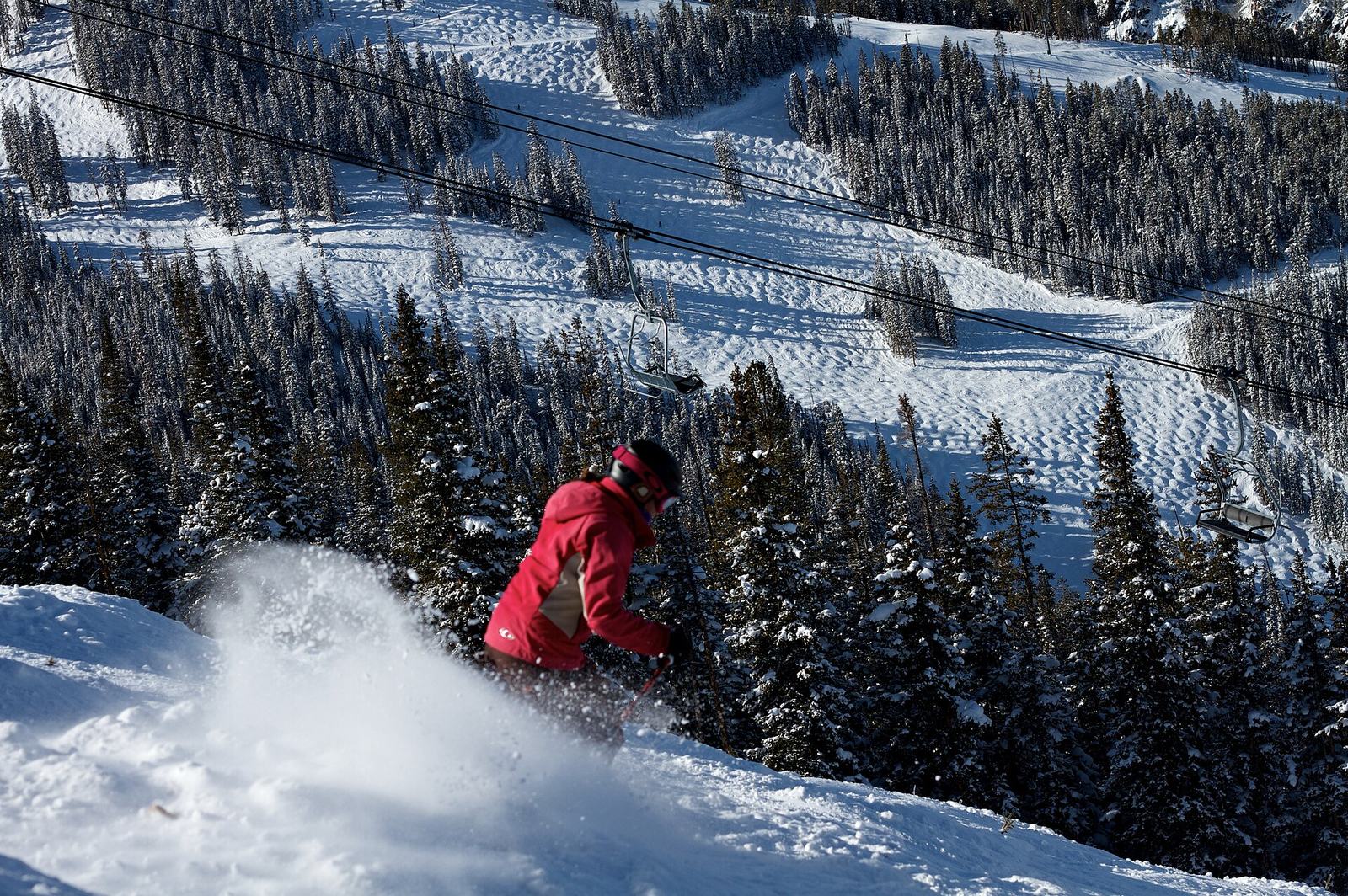
Look elsewhere if: Alta, Snowbird, Jackson Hole, Big Sky or Deer Valley are anywhere on your list — none of them are Epic destinations at any tier or price, and no amount of Epic-side value changes that. This is worth stating plainly because it trips up more buyers than any pricing detail on this page: skiers see Epic’s lower headline price and assume it is simply the better deal, without checking whether the specific mountains they actually want to ski are on the roster at all. A cheaper pass that does not open the lift you are standing in front of is not a deal — it is a second purchase waiting to happen at the ticket window. For that roster, Ikon Pass explained covers the alternative in full, and Epic Pass vs Ikon Pass walks through the region-by-region decision directly.
If your season is more about trying a wide range of independent, non-corporate mountains at a much lower price point, the Indy Pass guide covers a genuinely different kind of product built around exactly that. And if you are still deciding among all the options rather than set on Epic specifically, the best ski pass for 2026/27 lays out the full decision framework from the start, and Mountain Collective covers the sampler-style alternative for skiers taking a handful of trips to different marquee resorts rather than settling into one roster for the whole season.
Frequently asked questions
How much does the Epic Pass cost for 2026/27?
The full Epic Pass costs $1,145 for adults 31 and over, checked against epicpass.com on 10 September 2026, following a price increase on 7 September. Epic Local costs $849. Both prices step up further as the season progresses, so earlier purchase generally means a lower price.
What is the difference between the Epic Pass and Epic Local?
The full Epic Pass gives unlimited, no-blackout access to all 42 resorts on the roster. Epic Local costs $296 less but restricts days at Vail, Beaver Creek and Whistler Blackcomb and adds holiday blackout dates — a real trade that matters enormously if those three resorts are central to your plans, and barely at all if they are not.
Does the Epic Pass include Vail?
Yes, unlimited and unrestricted on the full Epic Pass. On Epic Local, Vail access is restricted to a limited number of days with holiday blackouts rather than fully unlimited.
Can I use the Epic Pass in Europe?
Epic includes a roster of European partner resorts, with access terms that differ from the North American unlimited list. Check the current partner list and day allowances directly with Vail Resorts before assuming a specific European resort is included at full access.
Is Epic Local worth the savings over the full pass?
Only if your actual ski plans do not depend on unrestricted access to Vail, Beaver Creek or Whistler Blackcomb, and you can work around holiday blackout dates. If any of those three resorts is your primary mountain, the $296 saved is likely to be spent on restricted-day workarounds or day tickets instead.
When is the cheapest time to buy the Epic Pass?
March through May, immediately after the prior season ends, is consistently the cheapest window — this season’s pass launched in March 2026 at $1,089 before rising to $1,145 with the 7 September increase. Buying in spring for the following season typically saves $50 to $100 against an autumn purchase, and prices generally step up more than once between spring and the season opener.
Does the Epic Pass include free skiing for kids?
Not automatically on the standard pass, but Epic SchoolKids provides free or steeply discounted access for young children in several states — including a free Utah K-5 pack for 2026/27 covering five days at Park City — and eligibility is state- and program-specific rather than universal. Check the current SchoolKids terms for your state directly with Vail Resorts.
Can I ski in the Northeast on the Epic Pass?
Yes — Stowe, Okemo, Mount Snow, Attitash and Wildcat are all unlimited on the full Epic Pass, and Northeast Value and Northeast Midweek both offer narrower, cheaper regional products for skiers whose season stays inside Vermont and New Hampshire. This is a meaningfully different roster from Ikon’s Northeast presence, which centers on Killington, Pico, Sugarbush and Stratton instead — worth checking directly against your own regular mountains before assuming either pass covers the resort you actually ski.
Does Epic Local include any Colorado resorts unlimited?
Yes — most of Epic’s Colorado roster, including Breckenridge, Keystone and Crested Butte, remains unlimited on Epic Local; it is specifically Vail and Beaver Creek that drop to restricted-day status on the mid-tier pass, alongside Whistler Blackcomb. A Summit County-focused skier who rarely visits Vail itself often finds Epic Local delivers nearly all of the full pass’s practical value at a real discount.
Sources
Image credits
| Image | Photographer | Licence | Source |
|---|---|---|---|
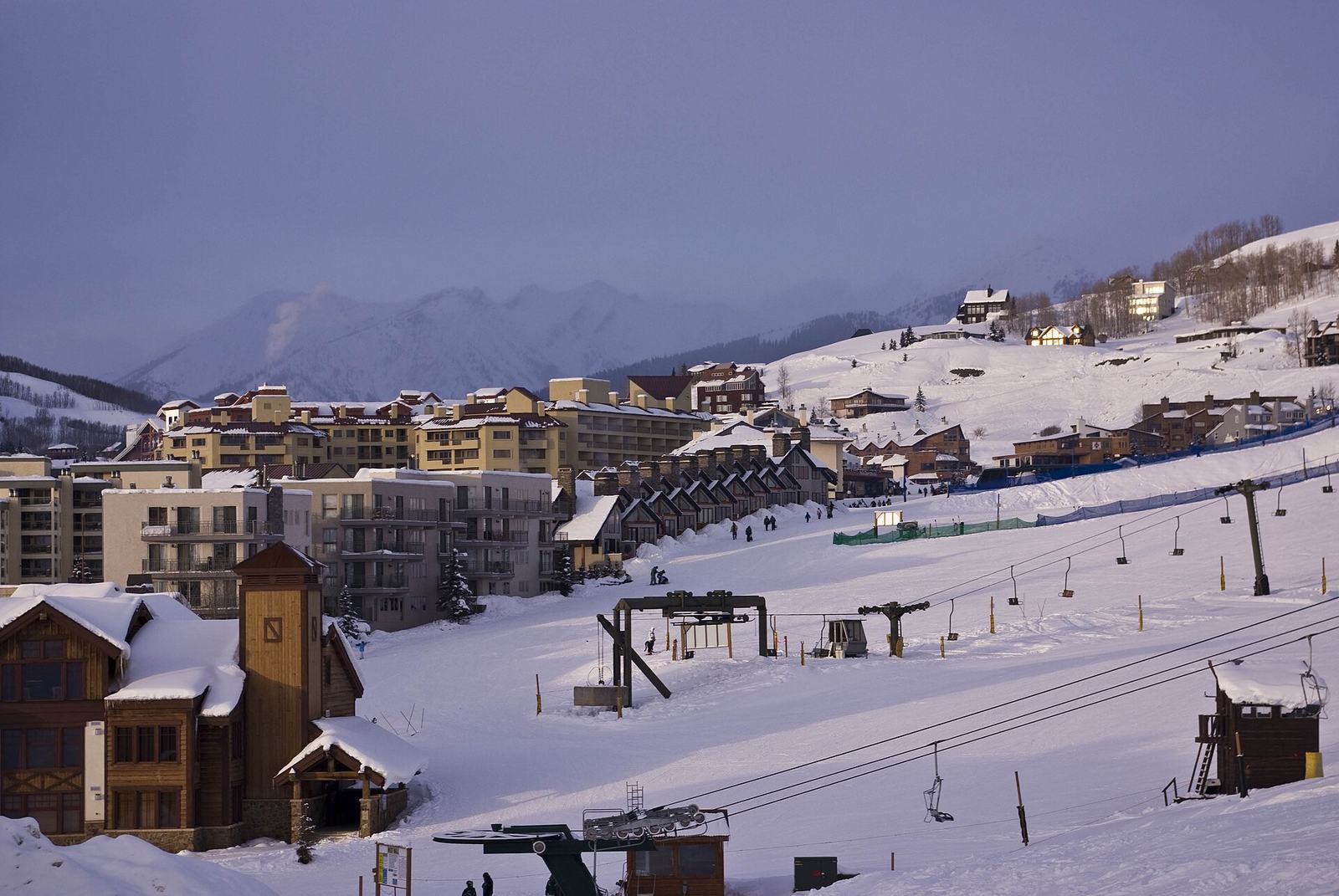
| Crested Butte, Colorado, base village (featured image) | Corey Leopold | CC BY 2.0 | Commons |
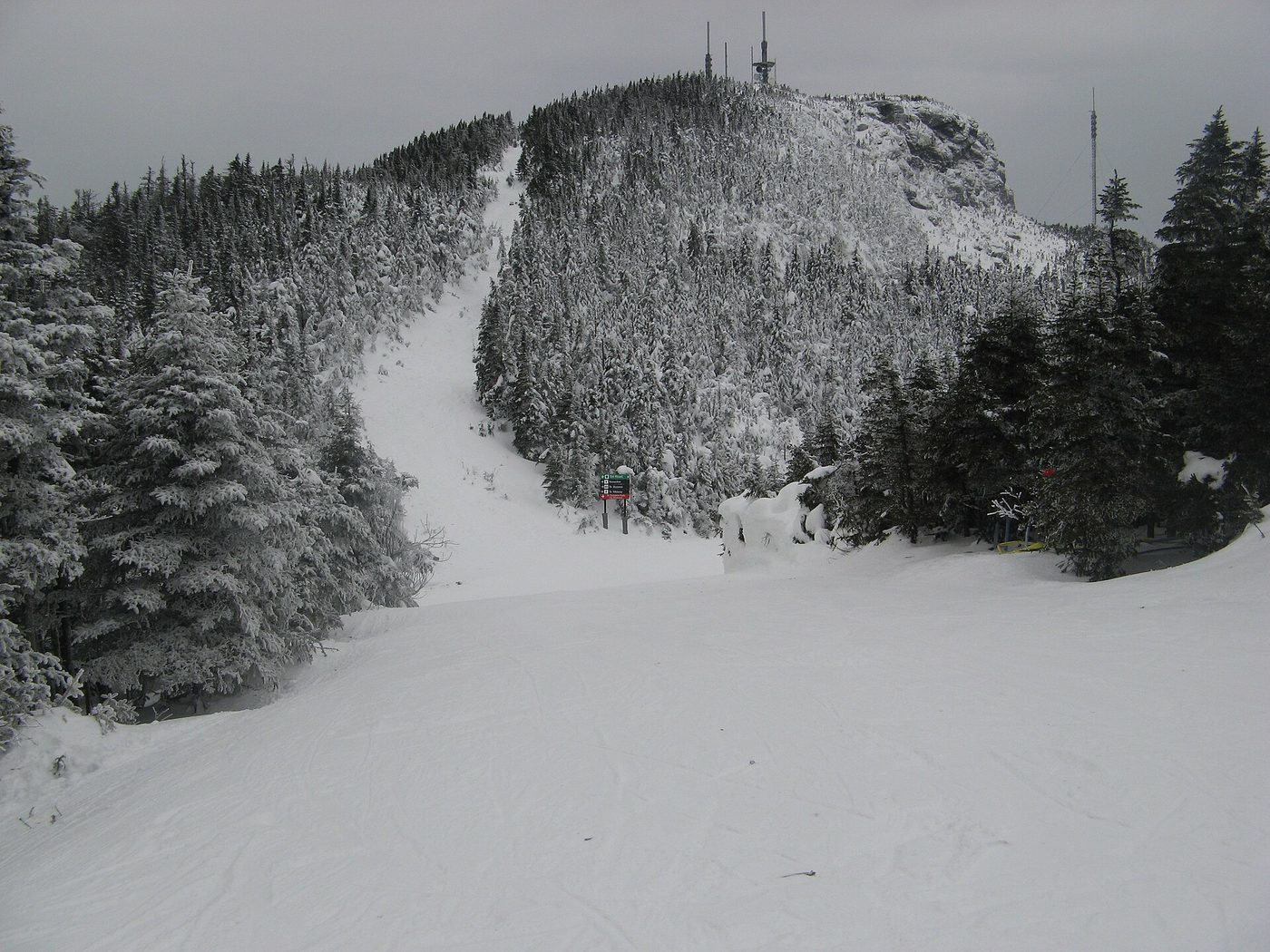
| Stowe, Vermont, beneath Mt. Mansfield | Ams100272 | Public domain | Commons |
| Vail, Colorado, powder day | — | — | Site media library |
| Kirkwood, California | — | — | Site media library |
| Beaver Creek, Colorado | — | — | Site media library |
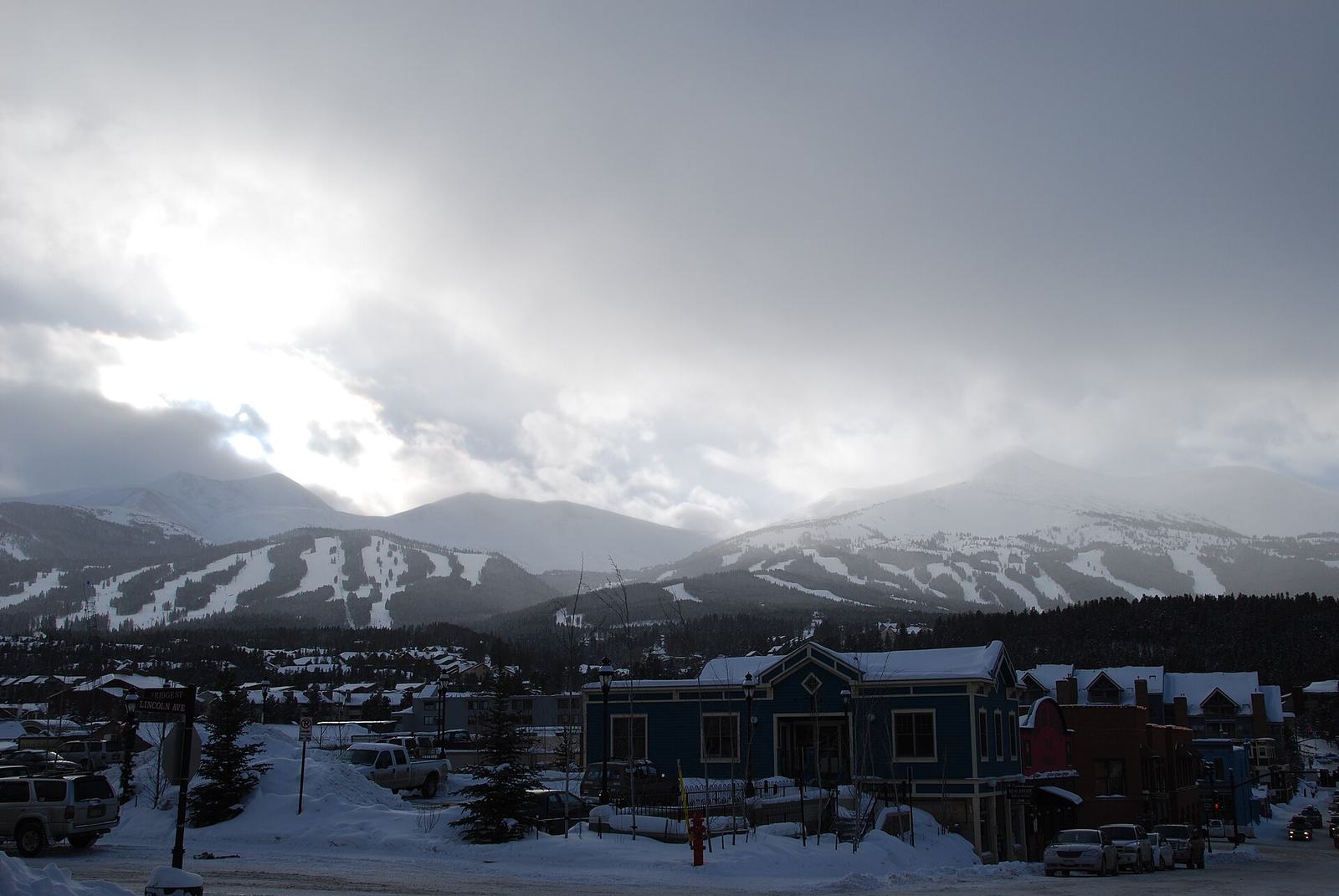
| Breckenridge, Colorado | — | — | Site media library |