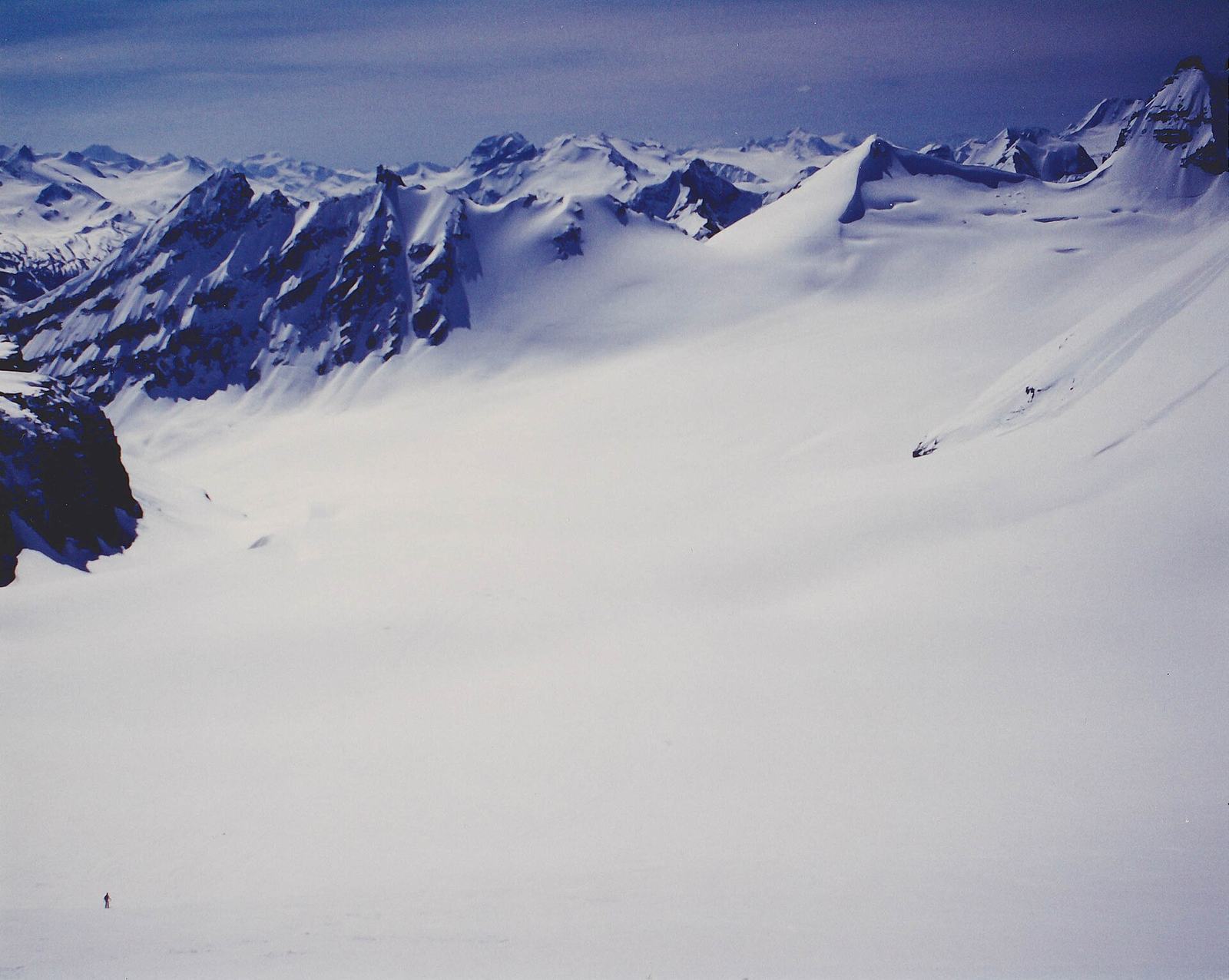
Luxury ski vacations exist on a spectrum, not a single price point. A private instructor for a day runs $600 to $1,650. A week of heli-skiing runs $10,000 to $20,000 per person. A flagship catered chalet in Courchevel runs €15,000 to €50,000 a week, before flights. None of these are interchangeable, and the mistake most first-timers make is assuming “luxury skiing” means one thing when it actually means picking which of several very different upgrades is worth paying for.
None of it requires unlimited money to access in some form — a single splurge day dropped into an otherwise ordinary ski week captures a surprising share of the experience for a fraction of the top-tier price, a point this guide returns to below. Every one of those upgrades solves a different problem. A private instructor buys you faster progression and zero time spent waiting in a lesson queue with strangers. Heli-skiing buys you terrain no lift will ever reach. A catered chalet buys you a week where nobody in your party cooks, cleans or drives. Stacking all of them together is how a ski week becomes a $50,000 vacation — and for some travelers, that is exactly the point. For most people reading this, the useful question is narrower: which one or two of these upgrades would actually change the trip, and which are paying for a version of skiing you do not actually want.
This guide breaks the whole spectrum down, with verified prices and an honest read on what each tier buys.
What actually counts as a luxury ski vacation?
There is no single definition, which is exactly why the category gets abused by marketing copy. Useful to separate it into four upgrades, each purchasable independently:
| Upgrade | What it buys | Typical price |
|---|---|---|
| Private instruction | Faster progression, a custom pace, zero lesson-queue time | $600–$1,650 per day |
| Off-piste access (heli or cat) | Terrain no lift reaches, fresh snow all day | $1,000–$2,200+ per person per day |
| Luxury lodging | Ski-in/ski-out, catering, concierge, space | $3,000–$50,000+ per week |
| Scarcity and status | The resort or run everyone recognizes, not necessarily the best skiing | Varies — often a premium for the name |
The honest read: the first two upgrades change what your actual ski day looks like. The third changes your evenings and mornings. The fourth is buying a story more than an experience, and it is worth being clear-eyed about which one you are shopping for before the invoice arrives.
A day in the life: what each tier actually looks like
Numbers on a page do not convey what any of this actually feels like day to day, and the differences are bigger than the price tags alone suggest.
A standard resort day means a lift ticket, whatever line forms at the gondola, and skiing whatever the grooming report and your own legs allow. It is genuinely excellent skiing at most marquee resorts — nothing about this article is arguing otherwise.
A private-instruction day starts with your instructor meeting you at a set time, skiing exactly the terrain and pace that suits your group, with breaks whenever you want them and zero time spent waiting for slower or faster lesson-mates. For a family with a beginner and two strong intermediates, this alone can be the difference between everyone having a good day and one person being miserable.
A cat-skiing day starts early at a base lodge, with a safety briefing, avalanche gear issued and checked, then a heated cat hauling the group up a fixed run for four to eight descents through untracked snow across the day, with a guide managing pace, terrain choice and group safety throughout.
A heli-skiing day looks similar in structure but covers dramatically more terrain and vertical — a helicopter can move a group between drainages in minutes that would take a cat or a skinning party hours to reach, which is the entire reason the day rate is so much higher. Weather is the wild card: heli operations stand down in poor visibility or high wind, and multi-day trips build in contingency days for exactly this reason.
A luxury-chalet week changes almost nothing about the skiing itself and everything about the hours around it — no grocery runs, no cooking, no cleaning, a private chef handling breakfast and a multi-course dinner, and a host managing the logistics of the week. It is the upgrade that shows up most in how rested and relaxed the group feels by day five, rather than in how well anyone skied.
Heli-skiing: what it actually costs and what you get
Is heli-skiing worth the cost for a first-timer?
For most intermediate-to-advanced skiers comfortable in ungroomed, variable snow, yes — a single day is genuinely one of the more remarkable things skiing offers, and it does not require being an expert. It does require honest self-assessment: heli operators generally expect confident, in-control skiing in powder and variable conditions, not resort-groomer-only comfort, and a skier who is not ready for that terrain will spend the expensive day struggling rather than enjoying it.
Heli-skiing pricing varies enormously by operator and region. Rough guidance: $1,000 to $2,200+ per person per day, with budget day operations at the low end and premium lodge-based weeks in British Columbia or Alaska running toward the top and beyond — some flagship Alaska and BC lodge weeks run $10,000 to $20,000 per person for a full week including lodging, guiding and vertical feet skied. Canadian Mountain Holidays (CMH), the largest heli-ski operator in the world, runs multiple lodges across roughly 12,000 square kilometers of terrain in British Columbia, and is the reference point most other operators are measured against.
What you are actually paying for is not just the helicopter — it is professional guiding, avalanche forecasting and route-finding by people who ski that specific terrain full time, which is precisely the expertise backcountry skiing for beginners explains you cannot shortcut on your own. A heli operation removes the climb and adds professional judgment; it does not remove the avalanche risk, and every reputable operator runs its own daily hazard assessment before choosing terrain.
We break the full heli-skiing cost structure down by region and operator tier in heli-skiing for first-timers: cost and what to expect, and cover the two biggest bucket-list zones specifically in Alaska heli-skiing and heli and cat skiing in the Andes.
Day operations vs. lodge-based weeks
Heli-skiing splits broadly into two formats. Day operations, common near resort towns like Jackson Hole, Telluride and several BC and Chilean gateways, let you book a single day or a few runs without committing to a full week — the entry point for most first-timers, and the reason the per-day price range starts as low as it does. Lodge-based weeks, the CMH model, put a group at a remote lodge for six or seven days with all guiding, meals and lodging included in one package price, and are built for skiers who already know they want to make heli-skiing the whole trip rather than one day of it. Neither format is objectively better; a day operation is the lower-commitment way to find out whether heli-skiing is for you before booking a lodge week.
Cat skiing: the more affordable way to ski untracked terrain
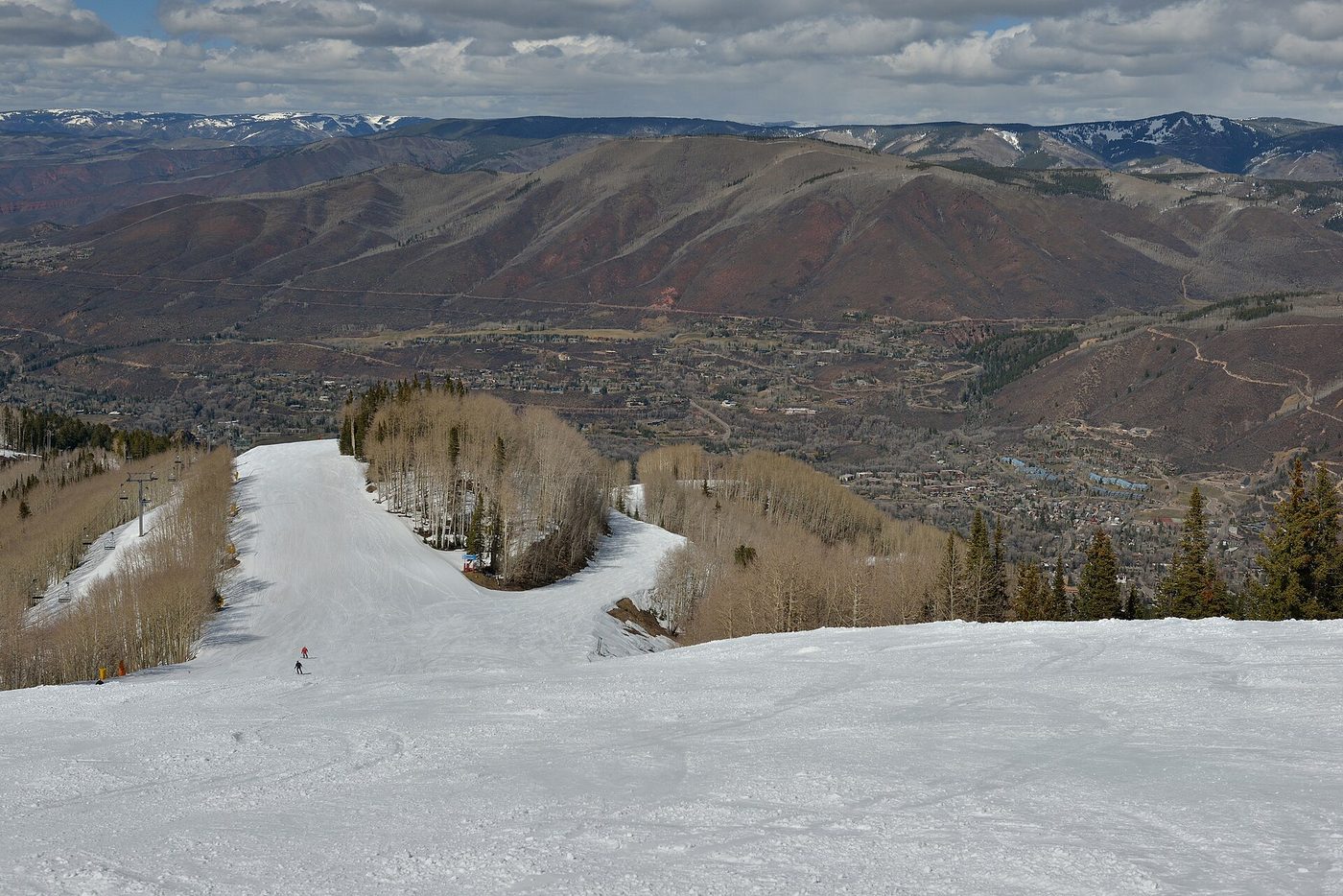
Snowcat skiing swaps the helicopter for a heated cat that hauls skiers up a fixed network of runs, which caps both the vertical you can ski in a day and the price. Cat operations generally run a fraction of heli-ski day rates — often in the low hundreds to around $500–$700 per person per day depending on operator and region — while still delivering genuinely untracked snow, since most cat operations run in terrain with far less traffic than a resort. The trade-off is access: a cat is limited to its own permitted terrain network and a fixed number of runs per day, where a helicopter can reach a much larger and more varied area. For a first taste of off-piste guided skiing without heli-ski pricing, cat skiing is usually the better entry point.
Cat operations also tend to run smaller groups per trip and more consistent day-to-day scheduling than heli operations, since a snowcat is far less weather-sensitive than a helicopter — a cat can often still run in conditions that would ground a heli day entirely, which matters if a trip is booked around a fixed set of vacation dates rather than a flexible week. That reliability is a real, underappreciated part of what the lower price buys: fewer weather-cancelled days, even if the terrain reached per day is smaller. Full comparison in cat skiing explained.
Private ski instructors and mountain guides
A full-day private lesson at a marquee US resort runs $600 to over $1,600 depending on the resort, the season and how far in advance you book — Vail’s peak-date, day-of pricing has topped $1,650, while a half-day at Aspen Snowmass or Beaver Creek runs roughly $665–$740 and can typically be shared among a small group of similar-ability skiers, which meaningfully lowers the per-person cost. Deer Valley, Park City and most other marquee resorts sit in a comparable range.
What a private buys beyond faster technique gains: total control over pace, terrain choice and rest breaks, no waiting for a group lesson to fill, and — for families — one instructor who can split attention across different ability levels in a way a group class cannot. It is one of the highest-value luxury upgrades on this list precisely because it changes the actual skiing, not just the surroundings. Full resort-by-resort pricing in private ski instructors and mountain guides.
Luxury chalets: what you’re actually paying for
How much does a luxury ski chalet cost per week?
A well-appointed self-catered chalet starts around €3,000 a week; a flagship catered property with a private chef, pool and concierge in a marquee resort like Courchevel runs €15,000 to €50,000 or more. The gap between those numbers is almost entirely service level, not square footage — a catered chalet includes a private chef for breakfast and dinner, a dedicated host and daily housekeeping, none of which a self-catered rental provides regardless of how large or well-located it is.
Courchevel 1850, part of France’s Trois Vallées — the largest linked ski area in the world at roughly 600 km of piste — is the reference point for this category in Europe, and Aspen and Deer Valley fill the same role in the US, generally at a premium over comparable European properties once the exchange rate and flight cost are factored in. Book six to nine months ahead for the best selection in any of these towns; peak Christmas and February weeks sell out first, and January and late March both offer meaningfully better value for a comparable snowpack.
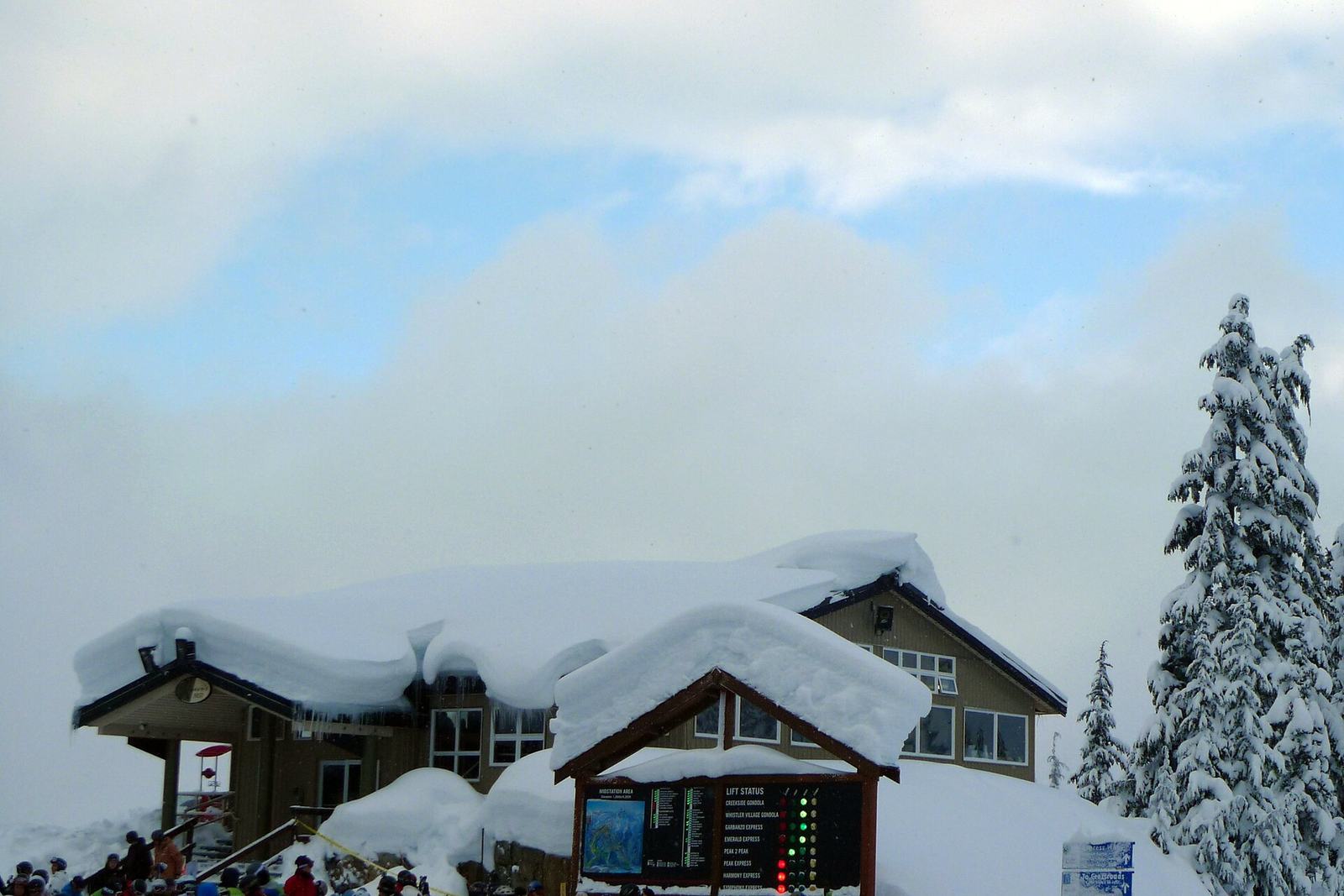
In the US, the closest equivalents sit in Deer Valley, Aspen, Vail and Whistler, where large multi-bedroom slopeside homes with private chefs and daily housekeeping are usually marketed as “private residences” rather than “chalets” but function identically — a distinction that matters for search terms more than for what actually shows up at the door. Whistler’s scale is worth noting on its own: at 8,171 acres across two linked mountains with the second-largest lift-served vertical in North America after Revelstoke, it supports a correspondingly large luxury lodging market clustered around its two base villages.
The lodging premium is worth sizing up against a plain fact from the mainstream lodging market: true ski-in/ski-out lodging already runs roughly 15% more per night than village lodging and 25–30% more than staying further out, before any luxury service is added on top — a data point covered fully in ski-in ski-out lodging. Luxury chalets are ski-in/ski-out lodging with a full service layer stacked on it, which is why the price gap over a standard resort hotel room is so large. We break the whole rental category down by region and season in luxury ski chalets and private rentals.
Ski safaris and multi-resort trips
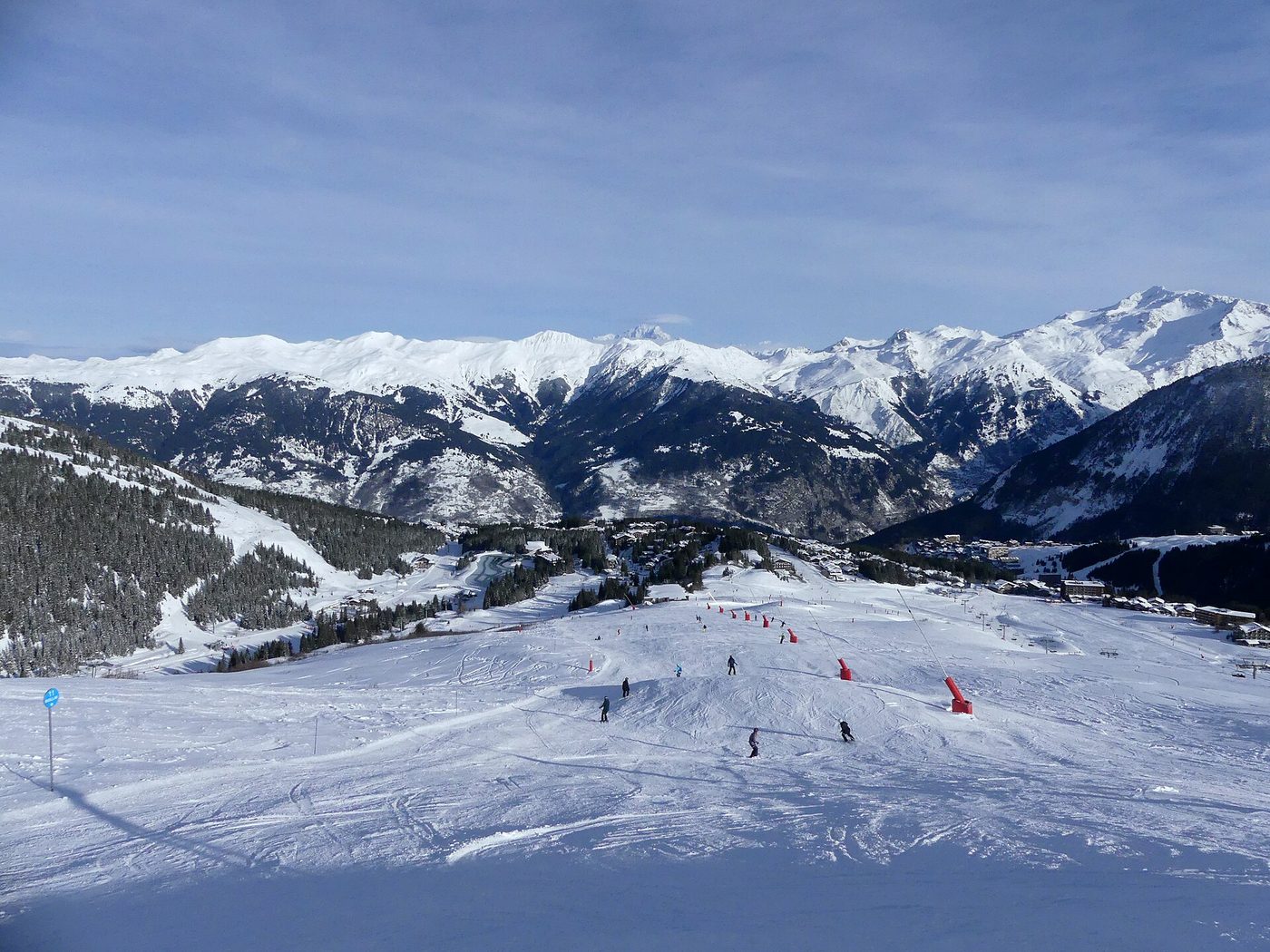
A ski safari strings together several resorts or regions in one trip, usually with private transfers and a curated route, rather than basing a whole week in one town. It suits travelers who want variety over familiarity — several of Europe’s Alpine valleys, or a combination of Utah’s Cottonwood Canyon resorts, are close enough together to make a multi-resort week logistically realistic without excessive drive time. It is not automatically more expensive than a single-resort luxury week; the premium is mostly in the private transfers and the planning, not the lift tickets. A well-planned Alpine safari can cross between Austria, Switzerland, Italy and France in a single trip, each with its own village character and price point — indicative 6-day lift pass ranges run roughly €290–€380 in Austria, €250–€360 in Italy and €300–€420 in France, so a route through multiple countries can be built with real cost variation in mind rather than assumed to be uniformly expensive. Full route ideas in ski safaris and multi-resort trips.
Bucket-list descents worth planning a trip around
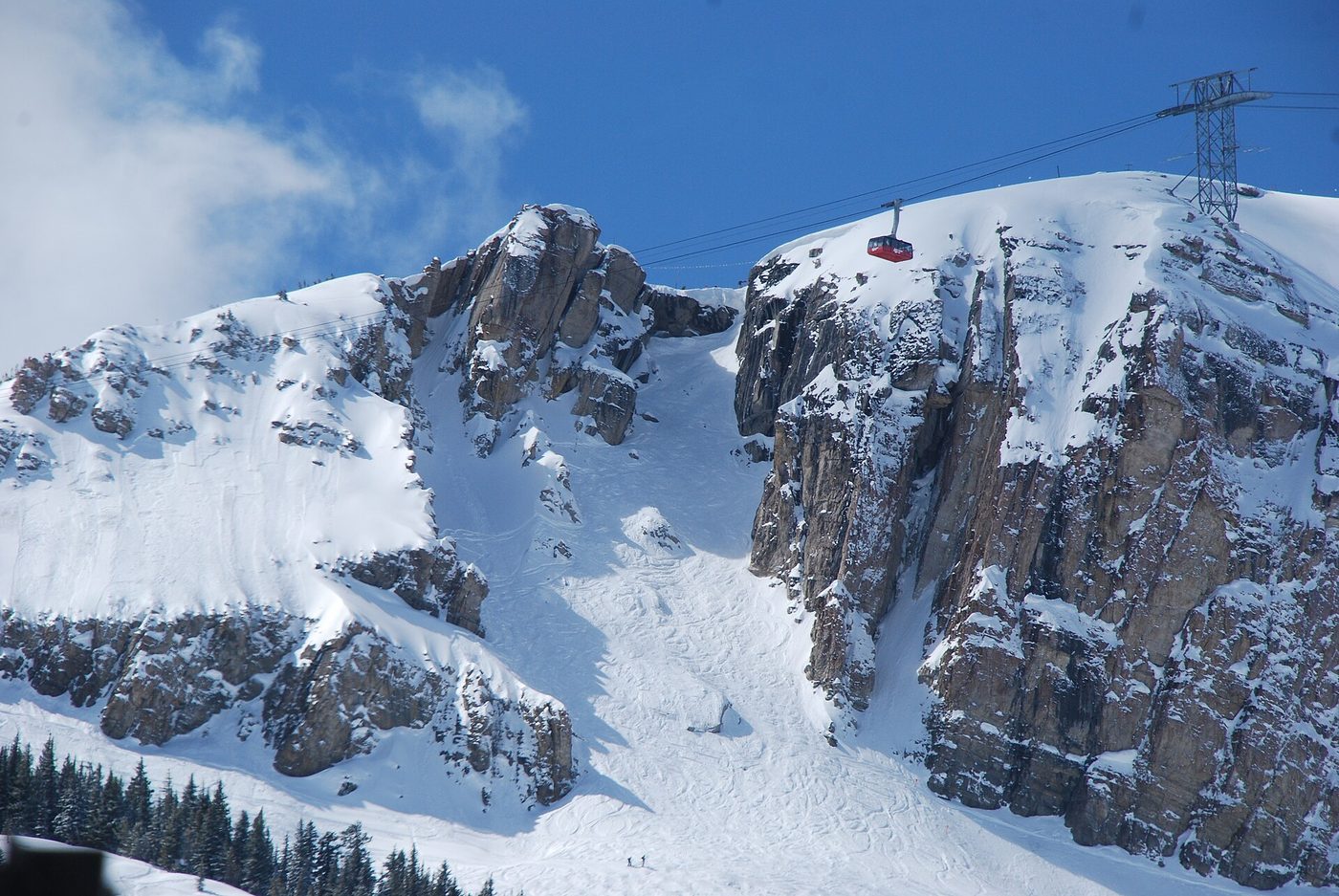
Some runs carry a reputation that draws skiers specifically to ski that one line — Jackson Hole’s Corbet’s Couloir, the Vallée Blanche off Chamonix’s Aiguille du Midi, Snowbird’s Great Scott. These are not universally “the best skiing in the world” by any objective measure; they are runs with a story, real difficulty, and — in several cases — a genuine expert-only entry requirement that makes attempting them without matching ability actively dangerous. Planning a trip around a specific descent works well as a goal for skiers who already ski that level; it works badly as an aspiration for skiers who are not there yet and feel pressured by the name. Several of these runs also depend heavily on conditions and access that change year to year — the Vallée Blanche requires a glacier traverse that shifts with the season’s snow and ice conditions, and is skied with a guide by anyone sensible regardless of ability, because the crevasse hazard has nothing to do with skiing skill. We rank the runs actually worth the trip, by ability level, in bucket-list ski descents and iconic runs.
See-and-be-seen: what “celebrity ski resort” actually means
A handful of resorts — Aspen, Deer Valley, Courchevel 1850, St. Moritz among them — carry a social cachet that shows up in restaurant prices and people-watching more than in the skiing itself. That is not a knock on the terrain, which is often excellent; it is a reminder that part of what you are paying for at these resorts is the scene, and a skier who cares only about snow and terrain quality can often find comparable or better skiing for less at a resort without the same name recognition. A useful tell: watch what the ranking systems that actually measure skiing quality say versus what social media geotags say. A resort can top a reader-survey or editorial terrain score without being a household name, and a household name can rank modestly on pure terrain and snow. Neither answer is wrong — they are measuring different things — but conflating “famous” with “best skiing” is the single most common mistake in this category, and it is an expensive one to make with a luxury-tier budget. Full list and honest context in see-and-be-seen: celebrity ski resorts.
The most luxurious ski resorts, and what actually separates them
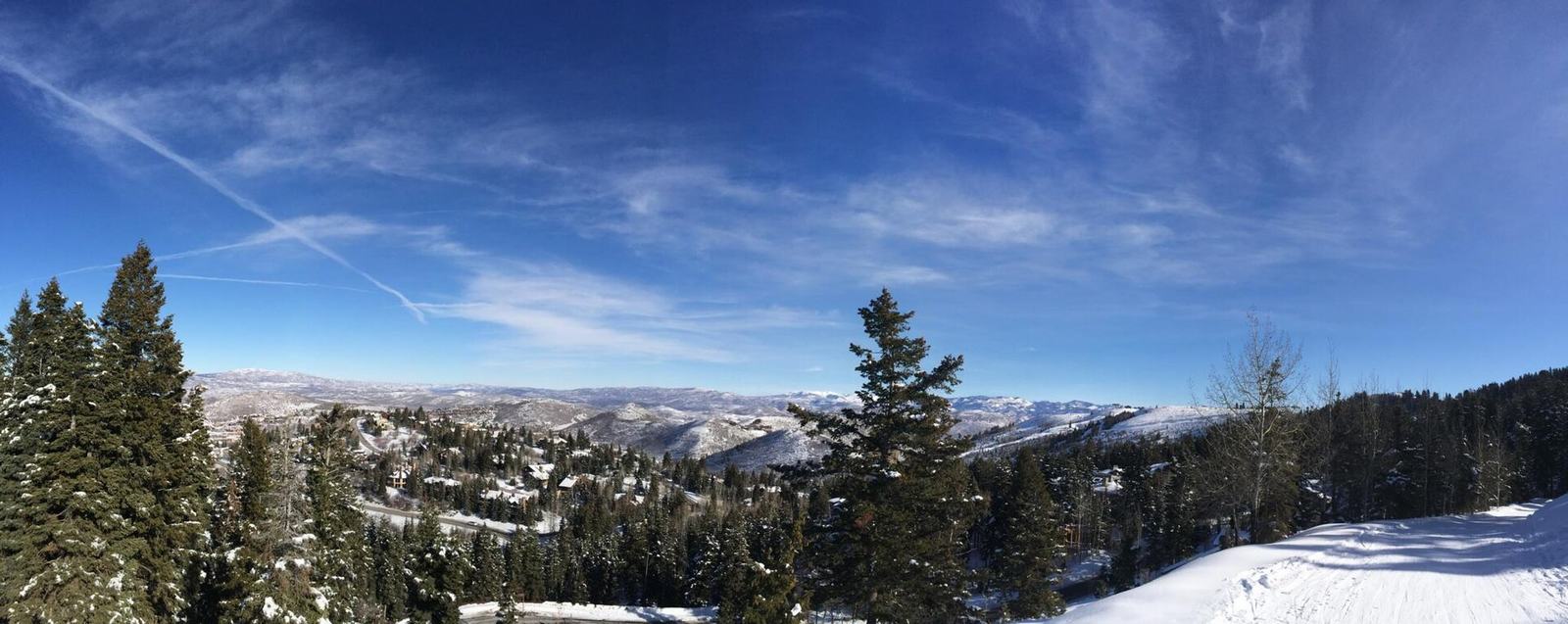
“Most luxurious” in ski marketing usually means some mix of ski-in/ski-out density, five-star lodging concentration, dining quality and — increasingly — recent capital investment. Deer Valley’s “Expanded Excellence” project is the clearest current example of a resort actively building for this tier: a 4,500-acre expansion for 2026/27 served by 11 new chairlifts including a 10-person gondola, more than doubling the resort, with a new East Village base area adding skier services, ski school, rentals and retail. Deer Valley remains skiers-only and caps daily skier numbers by design, which is itself a luxury lever — scarcity of crowding, not just quality of terrain. The new Hail Peak Express opening 200 acres and seven new runs for 2026/27 is a direct extension of that strategy: more terrain, still capped access, still no snowboarders competing for the same runs.
Other resorts earn the “luxury” label through a denser concentration of five-star lodging and dining rather than a single headline capital project — Aspen’s four connected mountains and downtown scene, Whistler’s village infrastructure, and Utah’s Alta and Snowbird corridor (linked by Ikon access and increasingly frequent canyon transit) all qualify by that measure without matching Deer Valley’s specific expansion story. Full resort-by-resort ranking in most luxurious ski resorts in North America.
Once-in-a-lifetime trips: Alaska, Greenland and beyond
Beyond the established heli-ski hubs of British Columbia and the Chugach Range near Valdez, Alaska, a small number of operators run genuinely expedition-style ski trips into terrain most skiers will never otherwise see — remote Alaskan ranges, Greenland’s coastal peaks, and similar frontier zones reachable only by helicopter, ski plane or boat. These trips sit at the top of the price spectrum in this article and require real off-piste competence and physical fitness; they are not an extension of a normal luxury ski week so much as a different kind of trip that happens to involve skis. Weather and access windows matter enormously here — a Greenland or remote-Alaska trip typically has a defined seasonal window and built-in flexibility days, since ski-plane or boat access depends on conditions that can shut down travel for days at a time, and a trip built without that buffer risks losing skiing days entirely to a weather delay. Full detail in once-in-a-lifetime ski trips: Alaska, Greenland and beyond.
What does a full luxury week actually cost?
Stacking the individual upgrades together gives a rough sense of what a full week costs at each tier. These are illustrative ranges for a couple or small family, not quotes — every one of the component prices above moves by resort, season and operator.
| Tier | Lodging | Instruction / guiding | Off-piste access | Rough weekly total |
|---|---|---|---|---|
| Entry luxury | Nice hotel or condo, ski-in/ski-out | One private lesson day | None | $4,000–$8,000 |
| Mid luxury | Self-catered luxury chalet or suite | A few private days | One cat-ski day | $10,000–$20,000 |
| Ultra luxury | Fully catered flagship chalet | Daily private guiding | Multi-day heli package | $30,000–$70,000+ |
The jump from entry to mid luxury is mostly about lodging quality and adding guided off-piste days. The jump from mid to ultra is almost entirely about heli-skiing and full catering — the single most expensive line items in this whole category, by a wide margin over anything else.
Where luxury and value actually overlap
A few moves reliably buy a materially better experience without moving into the top pricing tier. Shoulder-season weeks — early December before the holiday crowds, or late March into April — cut lodging and often private-instruction rates meaningfully at the same resorts that charge peak prices over Christmas and February break, while frequently delivering comparable or better snow, especially in a season the Colorado Avalanche Information Center and regional forecasters are already flagging as unusually variable. A single splurge day — one private lesson, one cat-ski day — dropped into an otherwise standard resort week captures most of the experiential upside of a luxury trip without the full-week price tag. And choosing a resort for terrain over name recognition routinely finds comparable skiing to a “celebrity” resort at a lodging discount, since a meaningful share of the premium at the best-known names is the name itself, not the snow underneath it.
Is a luxury ski vacation actually worth it?
It depends entirely on which upgrade you are buying, and honestly, some are worth it far more reliably than others. Private instruction and a genuinely well-guided heli or cat day both change what actually happens on snow, which is why skiers who try them once tend to prioritize them again. A luxury chalet changes comfort and convenience without changing the skiing itself, which makes it a lifestyle purchase more than a skiing one — a legitimate reason to spend the money, but a different reason than the first two. Status-driven purchases — the famous resort, the name-recognized run — deliver the least reliably on a pure cost-per-enjoyment basis, and are worth choosing consciously rather than by default.
The version of this that goes badly is spending the top of the budget on lodging and status and none of it on guiding or instruction, then discovering the skiing itself was unremarkable. The version that goes well usually spends first on whichever upgrade changes the actual ski day, and treats the surroundings as a genuine but secondary luxury. Asked directly, most experienced luxury-ski travel advisors will say the same thing in different words: buy the day that changes your skiing before you buy the room that changes your evening, because the second purchase is available at nearly every price point and the first genuinely is not.
Frequently asked questions
Do I need to be an expert skier for a luxury ski vacation?
No — private instruction and luxury lodging require no particular ability level, and even most cat-skiing operations can accommodate strong intermediate skiers. Heli-skiing and the true bucket-list descents are the exceptions: both generally require confident, in-control skiing in ungroomed, variable snow, and attempting them without that base is more likely to produce a frightening day than an enjoyable one.
What is the single best luxury upgrade for a first trip?
Most experienced luxury travelers and guides point to a private instructor or guide for at least one day as the upgrade with the most reliable payoff, because it directly improves the skiing itself rather than the surroundings around it — and for mixed-ability families or groups, it solves the specific problem of everyone skiing at a different pace.
Is heli-skiing safe?
Reputable heli-ski operators run daily avalanche hazard assessments and employ professional mountain guides, which makes it meaningfully safer than unguided backcountry skiing of comparable terrain — but it is not risk-free, since the terrain itself is genuine avalanche country. Choosing an established operator with a long safety record, and being honest about your own ability level before booking, are the two biggest factors within a traveler’s control.
How far in advance should I book a luxury ski trip?
For heli-ski weeks and flagship chalets in peak weeks (Christmas–New Year and February), six to twelve months ahead is standard, since the best lodges and properties sell out early. Private instruction can usually be booked closer to the date, though the most in-demand instructors at top resorts still fill up during peak weeks.
Does a luxury ski vacation include the pass or lift tickets?
Almost never automatically — lift access is typically priced separately from lodging, instruction and off-piste packages unless a specific package explicitly bundles it, so budget for tickets or a pass on top of every other line item in this guide. Which pass or resort you need depends entirely on where you are headed; see the best ski pass for 2026/27 for how Epic, Ikon and the independents split up the marquee resorts named throughout this article.
Can a family with young children do a luxury ski vacation?
Yes, and in some ways families benefit the most from these upgrades, since a private instructor solves the single biggest problem in family ski trips — a group with wildly different ability levels — better than any other purchase on this list. Luxury chalets with dedicated childcare or family-oriented service are common at the resorts named throughout this guide. Heli-skiing and true bucket-list descents are the exceptions that generally are not appropriate for young or inexperienced skiers regardless of budget.
Is it cheaper to book a luxury ski trip directly or through a travel advisor?
Direct booking can be cheaper on lodging in some individual cases, but a specialist ski travel advisor with existing relationships at heli operators, chalet management companies and top resorts frequently accesses the same or better rates than the public listing, plus priority access to the best weeks before they sell out publicly — and does the coordination work of matching lodging, guiding and lift access into one working itinerary, which is worth real money on a trip with this many moving parts. For a single-component purchase, like one private lesson day, booking direct is simplest; for a full multi-upgrade week, an advisor who specializes in this category is frequently worth the fee they charge.
Sources
- CMH Heli-Skiing — lodges and terrain
- Deer Valley — Expanded Excellence media room
- Les 3 Vallées — week pass and area information
- SKI Magazine — ski-in/ski-out lodging premiums
Image credits
| Image | Photographer | Licence | Source |
|---|---|---|---|
| Heli-skiing, Selkirk Mountains, BC (featured image) | cjuneau | CC BY 2.0 | Commons |
| Corbet’s Couloir, Jackson Hole | Enricokamasa | Public domain | Commons |
| Aspen Mountain, Ruthie’s Run | — | — | Site media library |
| Courchevel 1850, France | — | — | Site media library |
| Deer Valley, Utah | — | — | Site media library |
| Whistler, British Columbia | — | — | Site media library |