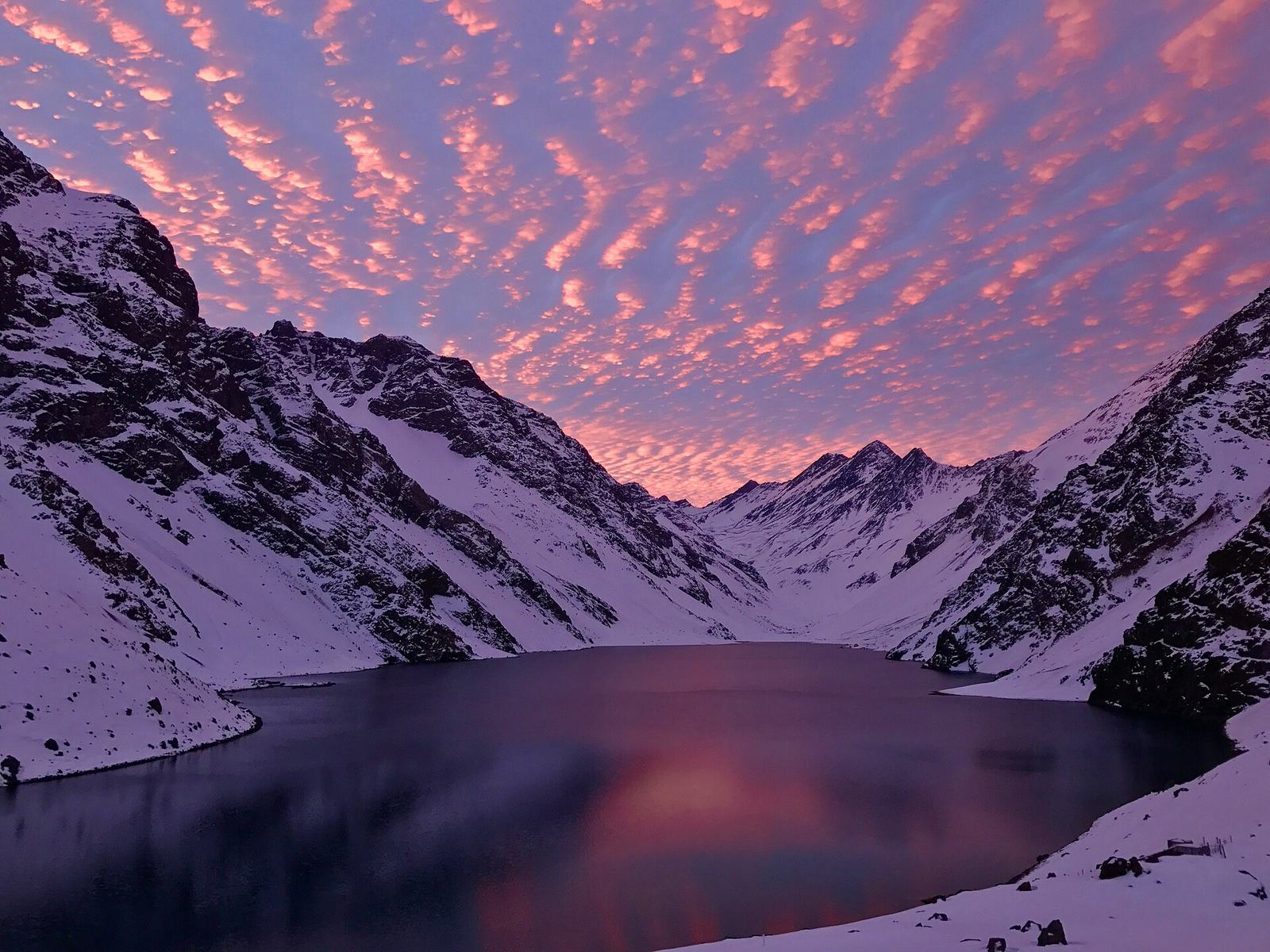
Summer skiing means one of two genuinely different things. Either you fly south of the equator to Chile, Argentina, New Zealand or Australia, where June through October is actual winter with a real snowpack — or you stay in the Northern Hemisphere and ski a high-altitude snowfield, at Timberline on Oregon’s Mount Hood or on a glacier in the Alps, for a few hours a day in June or July. Both are real skiing. Neither is a gimmick. But they are not remotely the same trip, and conflating them is how people end up disappointed.
The Southern Hemisphere option is a full ski vacation — resorts, lift networks, lodges, a proper season — that happens to run on the opposite half of the calendar from a Colorado or Alps winter, for the simple reason that it is winter there while it is summer here. The snowfield option, at Timberline or on a European glacier, is a much smaller thing: a few marked runs on permanent snow and ice at altitude, open for a few hours each morning before the surface softens too much to ski well, aimed at racers doing summer training and skiers who cannot bear a season with no snow at all.
This guide sorts out where each option actually is, when the season runs, and which one answers the question you are actually asking when you search for summer skiing. It also covers the practical differences a Southern Hemisphere trip involves that a domestic US ski week does not — the flight, the currency, the reversed packing assumptions — and what a genuine glacier ski day in the Alps actually looks like once you get past the marketing photo of skiers in shorts on a snowfield. Closer to home, it covers the two US ski areas that run lifts on snow in summer: Timberline on Mount Hood and Beartooth Basin on the Montana–Wyoming border.
Why does summer skiing exist at all?
Two unrelated things get called “summer skiing,” and the confusion is worth clearing up before anything else. Southern Hemisphere skiing exists because Earth’s seasons are reversed below the equator — June, July and August are winter in Chile, Argentina, New Zealand and Australia, with real cold fronts, real accumulating snowpack and real resort operations, not a novelty. Glacier skiing exists because permanent ice fields at very high altitude in the Alps stay cold enough to hold skiable snow year-round or near enough to it, letting a small number of European resorts run limited lift-served terrain through the Northern Hemisphere’s own summer. The Palmer Snowfield at Timberline, on Oregon’s Mount Hood, is the North American version of the same idea.
Skiers use both for different reasons. Southern Hemisphere trips are usually a deliberate second ski season in the same year — a July trip to Chile for a skier who already skied Colorado in February, or a genuine winter-chasing habit that some dedicated skiers build their whole year around. Glacier skiing is mostly used by ski racing teams for summer training camps and by skiers based in Europe who want a few runs without leaving the continent, rather than as a destination vacation in its own right.
There is a third, smaller category worth naming so it does not get confused with either of the above: dry slope and indoor snow facilities, which let skiers practice technique on an artificial surface year-round regardless of hemisphere or season. These are useful for technique work and keeping muscle memory sharp between real seasons, but they are not a substitute for either form of genuine summer skiing covered in this guide, and this article does not cover them further.
Planning a trip across the hemisphere divide
A Southern Hemisphere ski trip involves a few planning variables a domestic US ski week simply does not have, and it is worth having a checklist before booking flights.
- The flight is long and the jet lag is real. Santiago, Buenos Aires and Queenstown are all realistically 12- to 17-hour combined travel days from most of the US, and most experienced Southern Hemisphere travelers build at least one non-skiing buffer day into the front of the trip to recover before the first lift.
- Pack for a real winter, not a token one. Because the trip happens during the northern summer, it is easy to underpack cold-weather gear on the assumption the destination will be mild. It will not be — treat the packing list exactly as you would for a Colorado or Utah trip in January.
- Check visa and entry requirements early. Requirements and any pre-arrival paperwork vary by country and change from year to year; confirm directly with each country’s current entry requirements well before departure rather than assuming past experience still applies.
- Currency and payment norms differ by country. Chile, Argentina and New Zealand each have their own currency and card-acceptance norms, and Argentina in particular has a history of a complicated relationship between its official and informal exchange rates — worth a few minutes of research before the trip rather than a surprise at the resort.
- Build in a weather buffer if the trip is short. Southern Hemisphere storms behave like Northern Hemisphere ones: a big system can close roads or lifts for a day, and a short trip has less room to absorb that than a two-week one.
Is summer skiing actually worth it?
For most skiers, a Southern Hemisphere trip is worth it if you already love skiing enough to want a second season in one calendar year; a Northern Hemisphere glacier or snowfield day is worth it mainly if you are already nearby for other reasons. The Southern Hemisphere delivers real resort skiing comparable in quality to a Northern Hemisphere trip, at the cost of a long flight and, in most cases, a smaller lift network than the biggest North American or Alpine resorts. Glacier skiing delivers a genuine but limited few hours of skiing on generally softening, sometimes icy snow, best treated as a bonus activity on a summer Alps trip rather than the reason for one.
The clearest way to decide which of the two you actually want is to ask what you are optimizing for. If the goal is a full ski vacation — a real trip with real terrain, comparable in scope to a week at a major North American resort — the Southern Hemisphere is the only one of the two options that delivers that. If the goal is simply “I want to ski at some point this summer and I’m already going to be in the Alps,” a glacier morning is a reasonable and low-effort way to scratch that itch, but booking flights specifically to chase a glacier day is very rarely the right call given how limited the terrain and hours actually are.
Southern Hemisphere ski season: when winter actually happens
The Southern Hemisphere season runs roughly June through October, peaking in July and August — the mirror image of the Northern Hemisphere’s December-to-March peak. Specific resort opening dates move every year with snowfall and vary by country and resort, so treat any date as indicative rather than fixed.
| Country | Typical season window | Notable 2026 opening dates |
|---|---|---|
| Argentina | Mid-June to early October | Cerro Bayo 13 June · Catedral Alta Patagonia (Bariloche) 6 July · Chapelco and Las Leñas 11 July |
| Chile | June to September/October | Varies by resort and snow year |
| New Zealand | Mid-June to mid-October | The Remarkables, Coronet Peak and Cardrona typically run this full window |
| Australia | Early-to-mid June to early October | Perisher can open as early as June |
Every one of these dates is weather-dependent, exactly the way North American opening dates are — a resort needs enough natural or machine-made snow before lifts turn, and a light snow year pushes the date back. Confirm directly with the resort within a season or two of booking rather than relying on a historical average.
The reversed calendar is also worth using deliberately rather than just noting as a curiosity. A skier who has already had a full Northern Hemisphere season by March or April, and who is not ready to wait until the following December for another one, can book a Southern Hemisphere trip for June through September and effectively double their annual ski time in the same calendar year — a pattern serious ski enthusiasts and some ski instructors and patrollers have built entire lifestyles around, chasing winter on both sides of the equator every year. It is a genuinely different kind of trip from a single vacation, closer to a second season than an add-on.
Skiing in Chile: the Andes at their most dramatic
Chile’s resorts sit within roughly two hours of Santiago, which makes it one of the more accessible Southern Hemisphere ski trips from a major international airport. Portillo, one of the continent’s most storied resorts, runs 2,264 feet of vertical across 1,235 skiable acres served by 14 lifts, and operates on a single-hotel, all-inclusive weekly model rather than a typical lift-ticket structure — the whole resort turns over as one group each week. Valle Nevado, larger and more conventional in format, covers roughly 2,224 skiable acres across 900 hectares, linked with the neighboring La Parva and El Colorado resorts to form one of the biggest connected ski areas in South America. !The yellow Hotel Portillo in Chile, a classic destination for summer skiing below a rocky, snow-covered Andes peak Hotel Portillo, Chile — the whole resort operates as a single property, with lodging, meals and lift access sold together by the week.

Both differ meaningfully from North American resorts in base infrastructure and terrain character — expect a more alpine, less forested landscape, and read the operator’s own snow and terrain reports closely before booking, since the season’s quality varies more year to year than in resorts with heavier snowmaking investment.
Portillo’s all-inclusive weekly model is worth understanding before booking, since it is genuinely different from how most skiers are used to shopping for a trip: rather than picking a hotel and buying lift tickets separately, the whole resort operates as a single property with meals, lodging and lift access sold together by the week, and the property is famous in ski circles for a close-knit, repeat-guest atmosphere that builds over a season. Valle Nevado’s connection to La Parva and El Colorado gives it the most varied terrain of any single Chilean ski trip, with a noticeably more conventional resort-village feel than Portillo’s isolated single-hotel setup. Full detail in skiing in Chile: resorts and season.
Skiing in Argentina: Bariloche and the Patagonian resorts
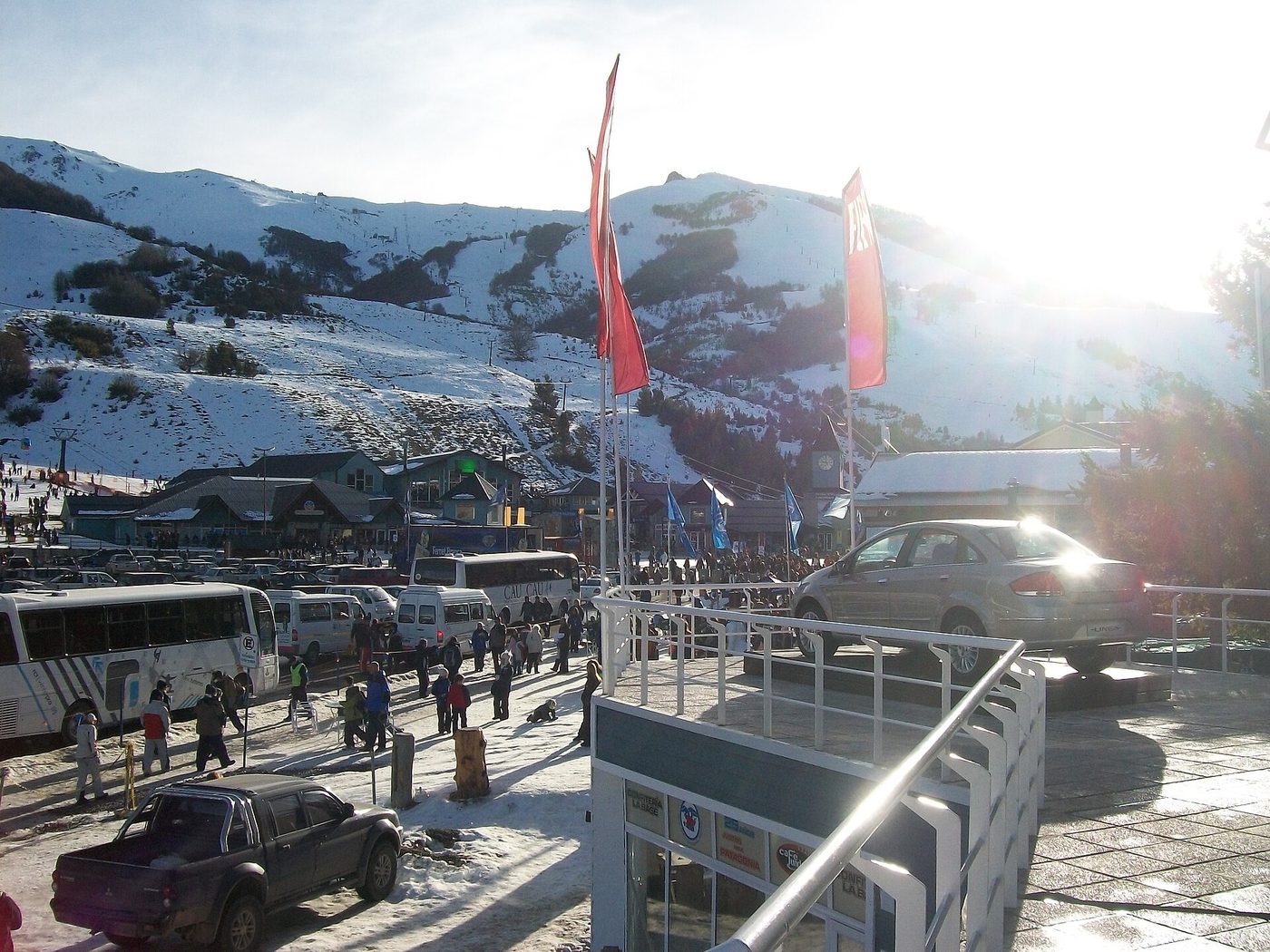
Catedral Alta Patagonia, above the lake town of San Carlos de Bariloche, is Argentina’s largest and best-known ski area, and 2026’s opening date of 6 July gives a sense of the typical start of the Argentine season. Further south, Las Leñas is smaller but known for genuinely serious expert and off-piste terrain in a dramatic, remote setting, with its own 2026 opening around 11 July. Bariloche itself functions as a full mountain town with a well-developed tourism infrastructure — restaurants, a lake, an airport with direct domestic connections from Buenos Aires — making it the more approachable first Argentine ski trip for most US travelers, while Las Leñas suits skiers specifically chasing terrain difficulty over resort polish, in a far more remote and self-contained setting with fewer off-mountain distractions. The gap between the two is roughly comparable to choosing between a full-service Colorado resort town and a smaller, terrain-focused Utah or Wyoming mountain — both are excellent, but they answer different questions about what the trip is actually for. Full guide in skiing in Argentina: Bariloche and Las Leñas.
Skiing in New Zealand: Queenstown’s resorts and the South Island
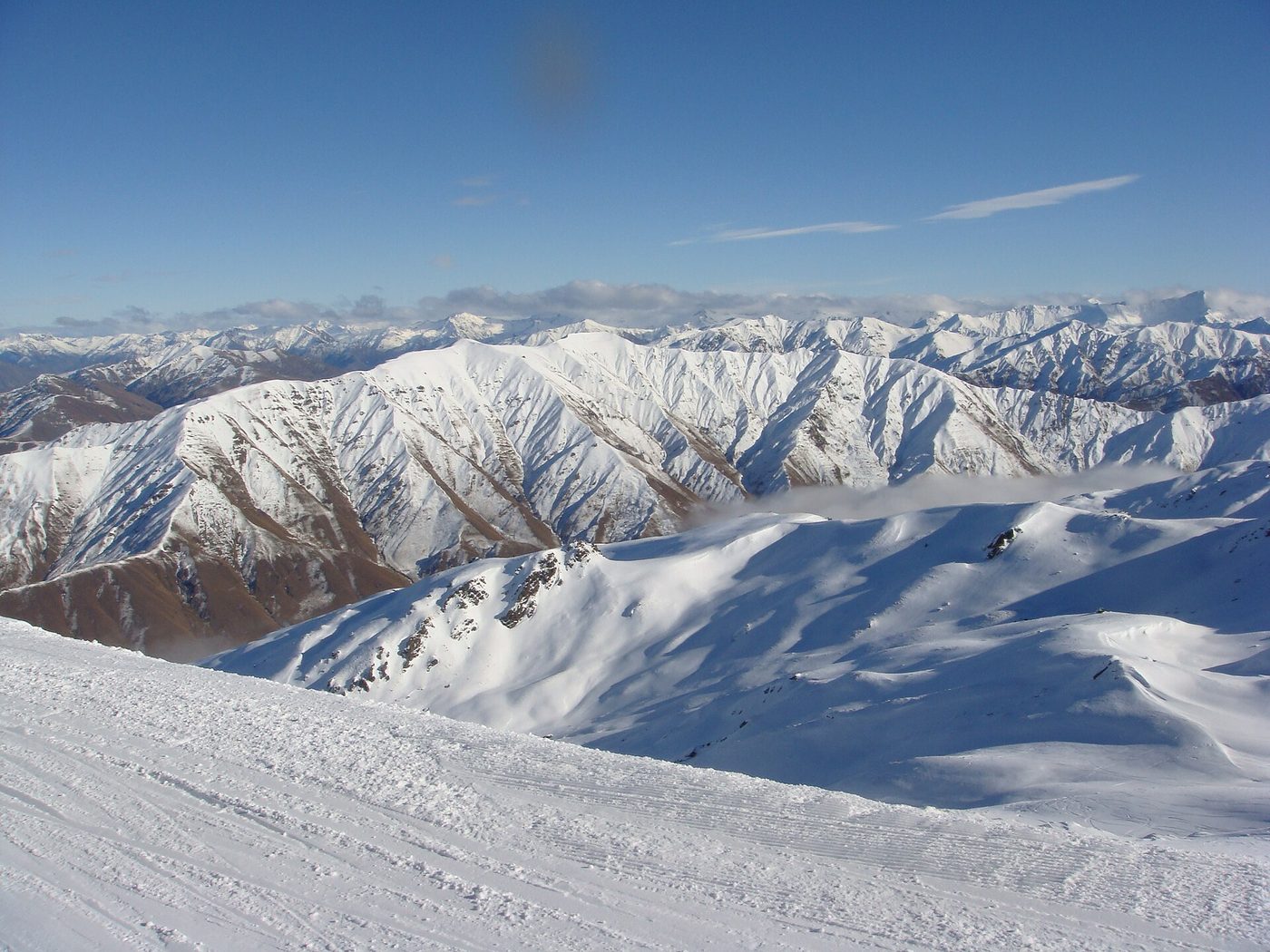
Queenstown anchors New Zealand’s ski scene, with The Remarkables and Coronet Peak both close enough to town for a genuine base-in-town, ski-by-day trip, and Cardrona a short drive further out. All three typically run from mid-June to mid-October, among the more reliably long Southern Hemisphere seasons. New Zealand’s ski culture leans more toward a laid-back, uncrowded feel than the marquee-name resorts of Chile or Argentina, and Queenstown itself doubles as a genuinely excellent non-ski destination — adventure tourism, lake scenery, wine country — which makes it an easier trip to justify for a traveling companion who does not ski. New Zealand’s resorts also tend to run smaller, more club-field-style operations alongside the bigger commercial mountains — some of the South Island’s ski areas are genuinely run as members’ clubs with a distinct, low-key character that has no real US equivalent, and are worth knowing about even for visitors who end up skiing mostly at the larger commercial resorts. Full detail in skiing in New Zealand.
Skiing in Australia: smaller mountains, real snow
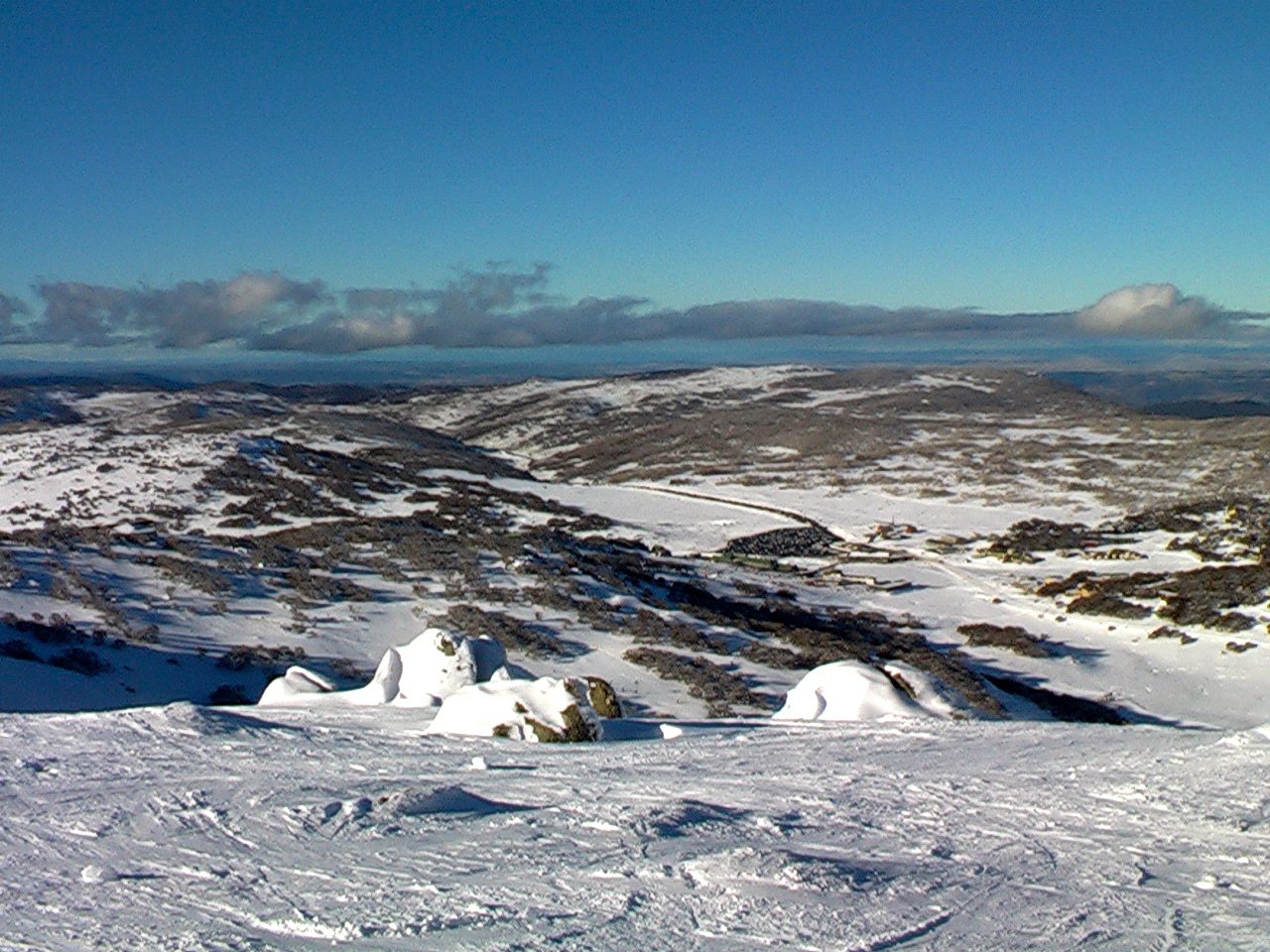
Australia’s ski resorts sit in the Snowy Mountains of New South Wales and Victoria’s high country, and Perisher is the largest — at roughly 3,080 acres and 45 lifts, it is the biggest ski resort in the Southern Hemisphere by lift-served terrain, with a beginner-to-intermediate-leaning terrain mix (22% beginner, 60% intermediate, 18% advanced) that suits family and lower-intermediate groups particularly well. Perisher can open as early as June, though Australia’s snowpack is generally more variable and machine-made-snow-dependent than Chile, Argentina or New Zealand, a function of lower average elevation and a more marginal climate for natural snow retention. Thredbo, Australia’s other major resort, offers the longest runs and the greatest vertical of any Australian ski area, and pairs well with Perisher for travelers building a multi-resort Snowy Mountains trip rather than basing the whole visit at one mountain.
Australia’s proximity advantage matters for one specific group of travelers: anyone already planning a trip to Australia or New Zealand for non-ski reasons during the Northern Hemisphere summer, for whom adding a few days in the Snowy Mountains or Southern Alps is a comparatively small addition to a trip that is happening anyway, rather than a ski trip planned from scratch. That combination — a bucket-list non-ski destination plus a legitimate ski season running at the same time of year — is a genuinely underused trip-planning angle for US travelers who might never otherwise consider a dedicated ski trip that far from home. Full guide in skiing in Australia.
Summer skiing on Europe’s glaciers
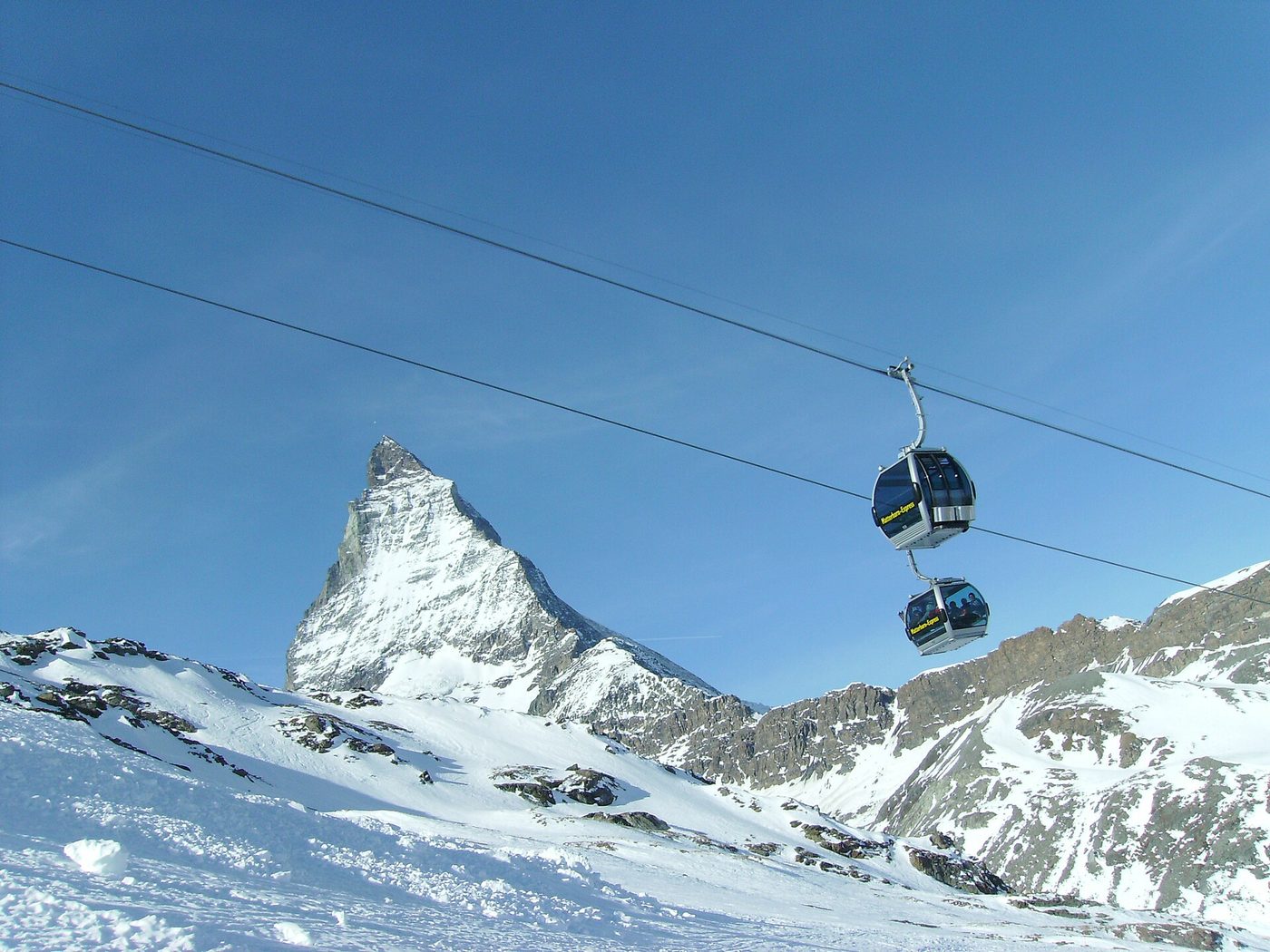
Which European glaciers are open for summer skiing in 2026?
For the 2026 season, Zermatt/Cervinia is the only Alpine ski area genuinely aiming for true year-round operation, skiing as high as 3,899 meters on the shared Theodul/Plateau Rosà glacier. Hintertux, Austria — long marketed as Europe’s other year-round glacier — is closing for the first time in its history in late July 2026 and reopening in September, a change tied to summer glacier conditions; June and early July are the best window to ski it this year. Treat “year-round” claims about any specific glacier as something to verify for the season you are actually traveling, not a permanent fact, since glacier operating windows are visibly shrinking and changing year to year.
A glacier ski day looks different from a normal resort day: lifts typically run only in the morning, before rising temperatures soften the surface into slush or expose bare ice at the margins, terrain is limited to a handful of marked runs rather than a full mountain, and conditions can be genuinely icy early and heavily tracked-out or slushy by midday. It is real skiing, not a photo opportunity, but it is not a substitute for a full resort trip.
Most glacier ski areas price by the half-day or full-day lift pass rather than a multi-day product, since so few visitors are there for more than a morning, and the terrain itself is limited enough that a half-day pass covers what most skiers actually want to do. Getting to altitude typically means a gondola or cable car ride from a valley town rather than skiing straight from a hotel door, which adds real transit time to the actual skiing window and is worth budgeting for when planning the day. Full detail on which glaciers are open when in summer skiing in Europe on the glaciers.
Can you ski in the US in summer?
Yes, in two places. Timberline Lodge on Oregon’s Mount Hood runs a chairlift on the Palmer Snowfield from June through August in a normal year, longer into summer than anywhere else in North America. Beartooth Basin, a summer-only area on the Montana–Wyoming border, runs surface lifts for a few weeks from late May.
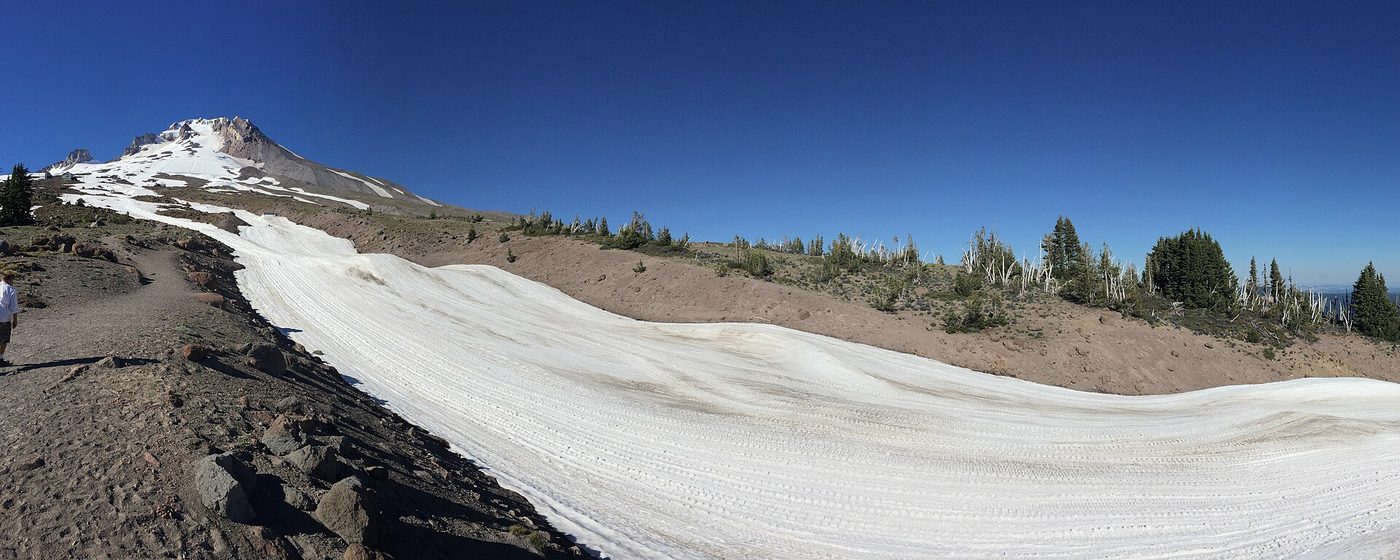
Timberline is the one to plan around. It sits on the south side of Mount Hood, about 60 miles east of Portland, and keeps the Palmer lift running after every other ski area on the continent has closed. Camps reserve much of the snowfield in lanes, so public skiing shares the hill with race and freestyle teams from around the world. Freestyle skiers and riders get Mile Canyon Park in June, with a halfpipe, jumps, rails and jibs, then a public Lap Park on the Palmer from July; the Freestyle Training Center is a separate product with its own day ticket.
It skis like the glacier days described above: a morning session, not a resort week. The snow is firm first thing and slushy by early afternoon, which is why the summer lift does not run all day, and the terrain is one long pitch of snowfield rather than a mountain of runs — Timberline itself describes its summer terrain as suited to intermediate and advanced skiers and riders. The sun on snow at that altitude is fierce, so pack sunscreen and a dark goggle lens along with a light shell. Do not fly across the country for it. But if you are in Portland or anywhere in the Pacific Northwest in June or July, a morning on the Palmer and lunch at Timberline Lodge, the 1930s lodge built by the Works Progress Administration, make one of the more memorable days in American skiing.
Beartooth Basin is the stranger option. It sits at about 10,900 feet off the Beartooth Highway, opens only once the highway does, and serves around 600 acres of 15- to 50-degree terrain from two surface lifts, mostly for advanced and expert skiers. The 2026 season opened on 25 May and ended in late June. It is a road trip for strong skiers rather than a ski holiday, and the season rarely lasts much past the start of July.
Check the snow before you plan around Timberline. The summer season lives on whatever the winter left behind. After a 297-inch winter against an average of roughly 400 inches, Timberline ended its 2026 summer season on 19 July, nearly a month earlier than its 17 August close in 2025 — and even 2025’s finish came a few days ahead of plan as the snowpack thinned. Treat June through August as a normal-year window and confirm on Timberline’s own conditions page before booking anything around it. The other US resorts that reach into early summer, Arapahoe Basin into June and Mammoth into July in big years, are spring skiing that runs late rather than summer skiing.
Where to actually ski in July and August
July and August specifically split cleanly along the hemisphere line: the Southern Hemisphere is at the peak of its season in these months, with the best snow conditions of its entire year, while the Northern Hemisphere’s options shrink to Timberline’s Palmer Snowfield and a handful of glaciers, both covered above. For a skier trying to decide where to actually go in July or August, that makes the Southern Hemisphere the far stronger choice for anyone wanting a real ski trip rather than a few morning runs on a glacier or snowfield. We lay out the best specific windows within July and August, resort by resort, in where to ski in July and August.
What a South America ski trip actually costs
A Chile or Argentina ski trip carries real cost variables beyond the ones a domestic US trip does — international flights, in some cases higher exchange-rate-driven costs at marquee resorts like Portillo, and a longer overall trip length that most travelers build in to justify the flight time. None of that makes it automatically more expensive than a comparable North American trip once flights are amortized over a week or two rather than a long weekend, but it does change the budgeting math in ways worth planning for specifically rather than assuming it mirrors a Colorado trip.
Lodging in Chile and Argentina spans a similarly wide range to what a US traveler already knows from domestic trips — budget hostels and mid-range hotels in Bariloche or near Valle Nevado, up through Portillo’s all-inclusive luxury model — so the trip does not have to be priced at the top of the range just because it involves international travel. The biggest single lever most travelers have over total cost is trip length: a longer stay dilutes the fixed cost of the flight across more ski days, which is exactly why so many Southern Hemisphere trips run two weeks or more rather than the long weekend common for a domestic US trip. Full cost breakdown in how much does a South America ski trip cost.
Heli and cat skiing in the Andes
The Andes’ scale and relatively undeveloped backcountry access make Chile and Argentina a serious, growing destination for heli-skiing and cat-skiing specifically, alongside their resort-based terrain — a bucket-list-tier option for skiers who already know they want off-piste guided access on the same trip. This pairs naturally with the broader luxury and bucket-list category covered in luxury ski vacations, and it is worth the same caution that applies to any heli or cat operation regardless of hemisphere: choose an established operator with a real safety record and daily avalanche assessment protocol, and be honest about whether your own ability level matches the terrain being sold, rather than assuming a bucket-list trip automatically fits any skier who can afford it. We cover the Andes-specific operators and terrain in heli and cat skiing in the Andes.
Does your ski pass work in the Southern Hemisphere?
Mostly not, or only partially. Epic and Ikon are North American and European-partner passes first, and while some multi-resort passes include limited-day access to a small number of Southern Hemisphere partner resorts, coverage is inconsistent, changes from season to season, and is never a substitute for checking your specific pass’s partner list before assuming a Chilean or New Zealand resort is included. Most Southern Hemisphere trips are booked on day tickets or the destination resort’s own multi-day product rather than relying on a Northern Hemisphere pass. Confirm your specific pass benefits directly with the pass operator before building a Southern Hemisphere leg into a trip around them — see the best ski pass for 2026/27 for how the major passes are actually structured.
Southern Hemisphere skiing: what’s genuinely different
Beyond the reversed calendar, a few practical differences are worth planning around. Off-piste and backcountry terrain in South America is generally less developed with avalanche forecasting infrastructure than the US, Canada or the Alps, so the same caution about needing training and local guiding covered in backcountry skiing for beginners applies with, if anything, less institutional safety net to lean on. Altitude is a real factor at several Andean resorts, echoing the same acclimatization guidance that applies to high Colorado base towns. And the long-haul flight and jet lag from North America is a genuine trip-planning variable that a domestic ski week does not have — most experienced Southern Hemisphere travelers build at least one buffer day into the front of the trip rather than arriving and skiing immediately.
Snowmaking investment is generally lighter than at the biggest North American and Alpine resorts, which means the natural snow year matters more to how a specific trip actually turns out — worth checking recent conditions and long-range regional forecasts before locking in dates, rather than assuming a resort’s brochure photos represent a typical week. And language and on-mountain signage vary by country — Spanish in Chile and Argentina, English in New Zealand and Australia — which is a minor practical detail for English-speaking travelers in the English-speaking countries and a slightly bigger one for anyone without Spanish heading to South America, worth a few basic phrases at minimum.
Frequently asked questions
Is it actually winter in South America and New Zealand during the US summer?
Yes — the Southern Hemisphere’s seasons are simply reversed from the Northern Hemisphere’s, so June through August is genuine winter in Chile, Argentina, New Zealand and Australia, with real accumulating snow and full resort operations, not an approximation of winter.
Can I use my Epic or Ikon Pass in Chile, Argentina or New Zealand?
Generally not for unlimited access — these are primarily North American and European-partner passes, and while a small number of Southern Hemisphere resorts appear as limited partners on some multi-resort products in some years, coverage is inconsistent and changes season to season. Check your specific pass’s current partner list directly rather than assuming coverage.
Is Southern Hemisphere skiing more expensive than a US ski trip?
The lift tickets and lodging themselves are often comparable to or cheaper than a marquee US resort, but the international flight adds a real cost a domestic trip does not carry. Most travelers offset that by booking a longer trip — a week or two rather than a long weekend — so the flight cost is amortized across more ski days.
What is the best month to ski in the Southern Hemisphere?
July and August are the peak of the season across Chile, Argentina, New Zealand and Australia, with the most reliable snow depth and coverage of the year. June and September/October can also ski well but carry more variability in early- and late-season snowpack, similar to how November and April behave in a Northern Hemisphere season.
Do I need a different ski setup for the Southern Hemisphere or a glacier?
No — the same skis, boots and outerwear that work for a Northern Hemisphere winter trip work equally well in Chile, Argentina, New Zealand or Australia, since it is a genuine winter with comparable temperatures and snow conditions. Glacier skiing is the one exception worth a small adjustment: pack sunscreen and strong sun protection, since high-altitude glacier snow reflects intense UV even on a cool morning, and conditions can shift from firm to slushy within the same short session.
Is Southern Hemisphere skiing good for beginners?
Yes, particularly Australia’s Perisher, whose terrain mix leans heavily beginner and intermediate, and New Zealand’s Coronet Peak and The Remarkables, both known for approachable, well-groomed terrain alongside more advanced options. Chile’s Portillo and Argentina’s Las Leñas lean more toward strong intermediate and advanced skiers and are less natural first Southern Hemisphere trips for a true beginner.
Japan is the long-haul powder trip the big North American passes do reach, but it is not a summer option: Niseko and Hakuba run on the same Northern Hemisphere winter as Colorado, roughly mid-December to early April. Ikon includes Niseko United among its Japan destinations, at up to seven days on the full tier. It does not extend that kind of access to Chile, Argentina, New Zealand or Australia, so do not assume a Southern Hemisphere trip is covered just because a Japan one is. Our Ikon Pass explained guide breaks down every international destination on the roster, tier by tier.
The Indy Pass network extends into South America as part of its four-continent roster, alongside its much larger US, Canadian and Japanese presence — a genuinely different way to access a Southern Hemisphere season than booking a single destination resort outright. Coverage shifts from year to year, so it is worth checking the current, live resort list rather than assuming it matches a prior season. Our Indy Pass guide covers how the whole network works, tier by tier.
Niseko United also appears on Mountain Collective, which includes it among roughly 27 destinations worldwide at two days each with no blackout dates — a lighter commitment than Ikon’s full pass for a skier who only wants a Japan leg added onto an otherwise North American season. Our Mountain Collective Pass guide covers how that compares to the alternatives.
A skier chasing a second Southern Hemisphere season on top of a Northern Hemisphere one changes the pass math in one specific way: the North American pass’s break-even day count is calculated against the days skied on that pass alone, since neither Epic nor Ikon reliably covers a Chile, Argentina, New Zealand or Australia trip. Run the two seasons’ costs separately rather than assuming one pass purchase covers both halves of the year. Our break-even guide walks through the formula in full.
Sources
- Mountain Marker — Southern Hemisphere ski season 2026
- PowderQuest — South America resort opening dates
- ski-resort-stats.com — Portillo
- Valle Nevado — resort statistics
- Perisher Ski Resort — resort statistics
- PlanetSKI — Cervinia/Zermatt year-round skiing, 2026
- InTheSnow — summer ski centres opening for 2026
- Timberline Lodge — summer skiing and snowboarding on the Palmer Snowfield
- Teton Gravity Research — Timberline’s 2026 summer shutdown and snowfall
- Teton Gravity Research — Timberline’s 2025 summer closing
- Teton Gravity Research — Beartooth Basin opens for its 2026 summer season
Image credits
| Image | Photographer | Licence | Source |
|---|---|---|---|
| Sunset over Laguna del Inca, Ski Portillo, Chile (featured image) | Nbendersky | CC BY-SA 4.0 | Commons |
| Hotel Portillo, Chile | Carlos yo | CC BY-SA 3.0 | Commons |
| Cerro Catedral base area, Bariloche, Argentina | Diego Gabriel | CC BY-SA 3.0 | Commons |
| The Remarkables, Queenstown, New Zealand | (WT-shared) Inas, Wikivoyage | Public domain | Commons |
| Snowy Mountains near Perisher, Australia | Picturesk | CC BY-SA 3.0 | Commons |
| Zermatt, Switzerland | — | — | Site media library |
| Palmer Snowfield below the summit of Mount Hood, Timberline, Oregon | Keely Hill | CC BY-SA 4.0 | Commons |