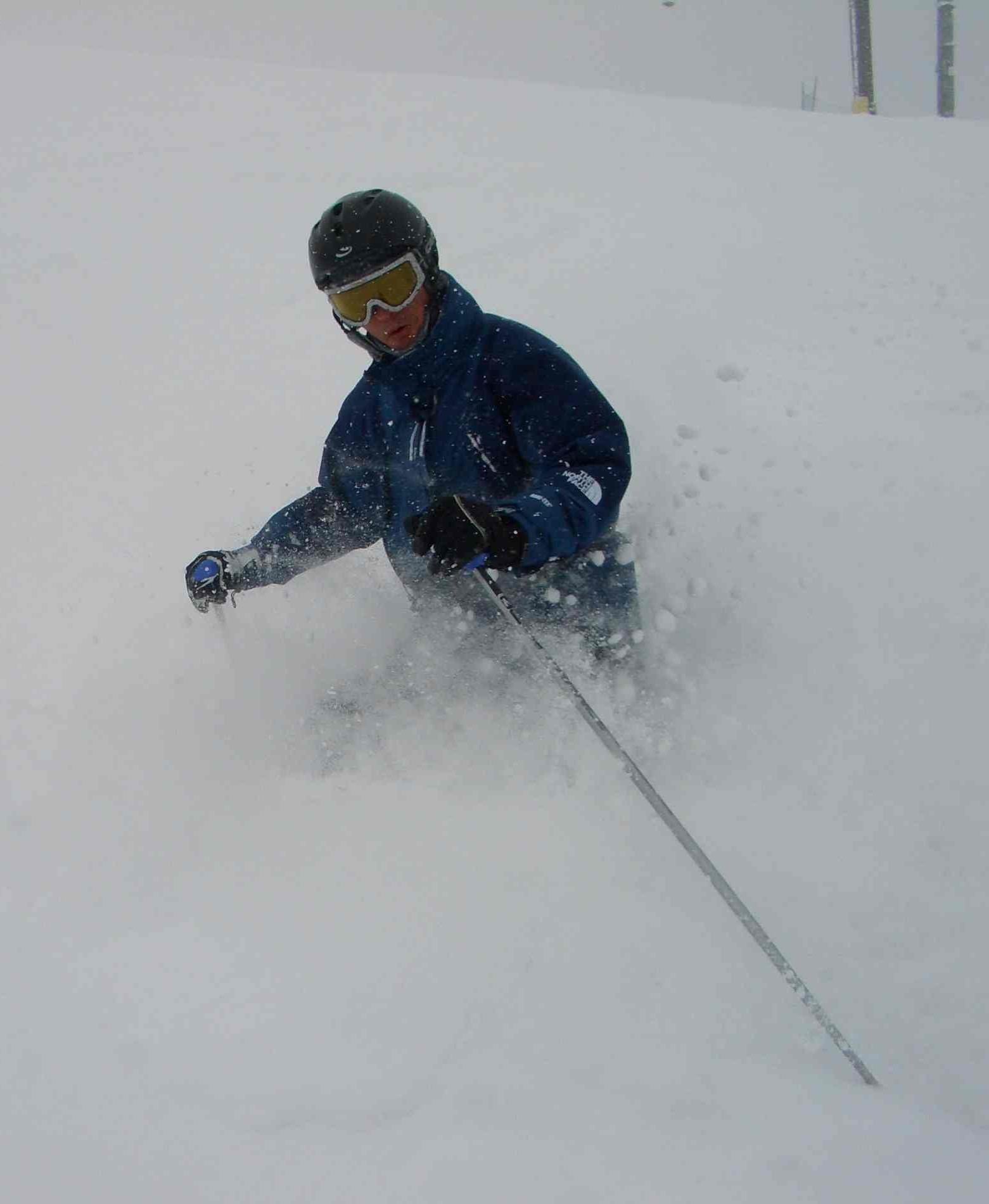
Skiing in Japan is the best value in destination skiing and it is not close. Niseko averages more than 14 metres of snow a season — roughly 550 inches of the driest snow on earth — and a peak-season day pass costs ¥13,500, which is around half what you would pay at a marquee US resort. Hakuba’s ten linked ski areas cost ¥11,100 a day. The catch is the flight, the language, and the fact that Japan’s terrain is mostly moderate, tree-heavy and below treeline.
Anyone who tells you Japan is the best skiing in the world is talking about the snow, and on that specific point they are right. Siberian air crosses the Sea of Japan, picks up moisture, and dumps it on the mountains of Hokkaido and northern Honshu as some of the lightest, driest, most consistent powder that falls anywhere. It happens most days in January. That is the entire proposition.
What follows is the honest version: what Japan is genuinely exceptional at, what it is not, where to go and why, what a trip actually costs in yen and in flights, and the cultural practicalities — onsen etiquette, ski patrol boundaries, the food, the trains — that make or break a first visit.
What is Japanese powder, and why is it so good?
Japan’s snow comes from a specific and reliable mechanism. Cold, dry air flows south-east off Siberia across the Sea of Japan, absorbs moisture from the relatively warm water, and hits the mountain spines of Hokkaido and Honshu, where it is forced upward and dumps its load. The result is snow with an exceptionally low water content, falling at very cold temperatures, in enormous quantity, almost every day for weeks.
The numbers, and what they mean:
- Niseko averages more than 14 metres a season — commonly quoted at around 15 metres, roughly 550 to 590 inches. Mt. Baker in Washington, the snowiest resort in the United States, averages about 663 inches, but Baker’s snow is dense and Niseko’s is not.
- Hakuba averages 11 to 13 metres (36 to 43 feet), with January and February snow depths at higher elevations regularly exceeding 3 metres.
- The consistency is the real advantage. Utah gets big storms and then blue-sky weeks. Northern Japan gets snow most days in January. You are not chasing a storm cycle; you are living inside one.
The trade nobody mentions. All that snow arrives inside a cloud. January in Niseko is grey, flat-light and often windy at the top, and the upper lifts close frequently. You may ski a week of remarkable powder and never once see the volcano you are standing on. If you want sunshine and views, February and March in Hakuba are a better bet than January in Hokkaido.
Niseko or Hakuba? The two destinations that matter
Almost every first Japan ski trip goes to one of these two, and they are genuinely different places.
| Niseko United (Hokkaido) | Hakuba Valley (Honshu) | |
|---|---|---|
| Ski areas on one pass | 4 | 10 |
| Skiable terrain | 2,191+ acres | Larger across the valley |
| Average snowfall | 14 m+ (~550 in) | 11–13 m (~430–510 in) |
| Adult day pass 26/27 | ¥13,500 peak | ¥11,100 |
| Terrain character | Mellow, tree-heavy, powder-focused | Steeper, more alpine, more varied |
| Getting there | Fly to Sapporo (CTS), 2–3 hr transfer | Bullet train from Tokyo, then 1 hr bus |
| English spoken | Extensively | Widely but less so |
| Season 26/27 | 28 Nov 2026 – 5 May 2027 | Roughly Dec–early May |
Pass prices and season dates from the operators’ own pages, checked 10 September 2026.
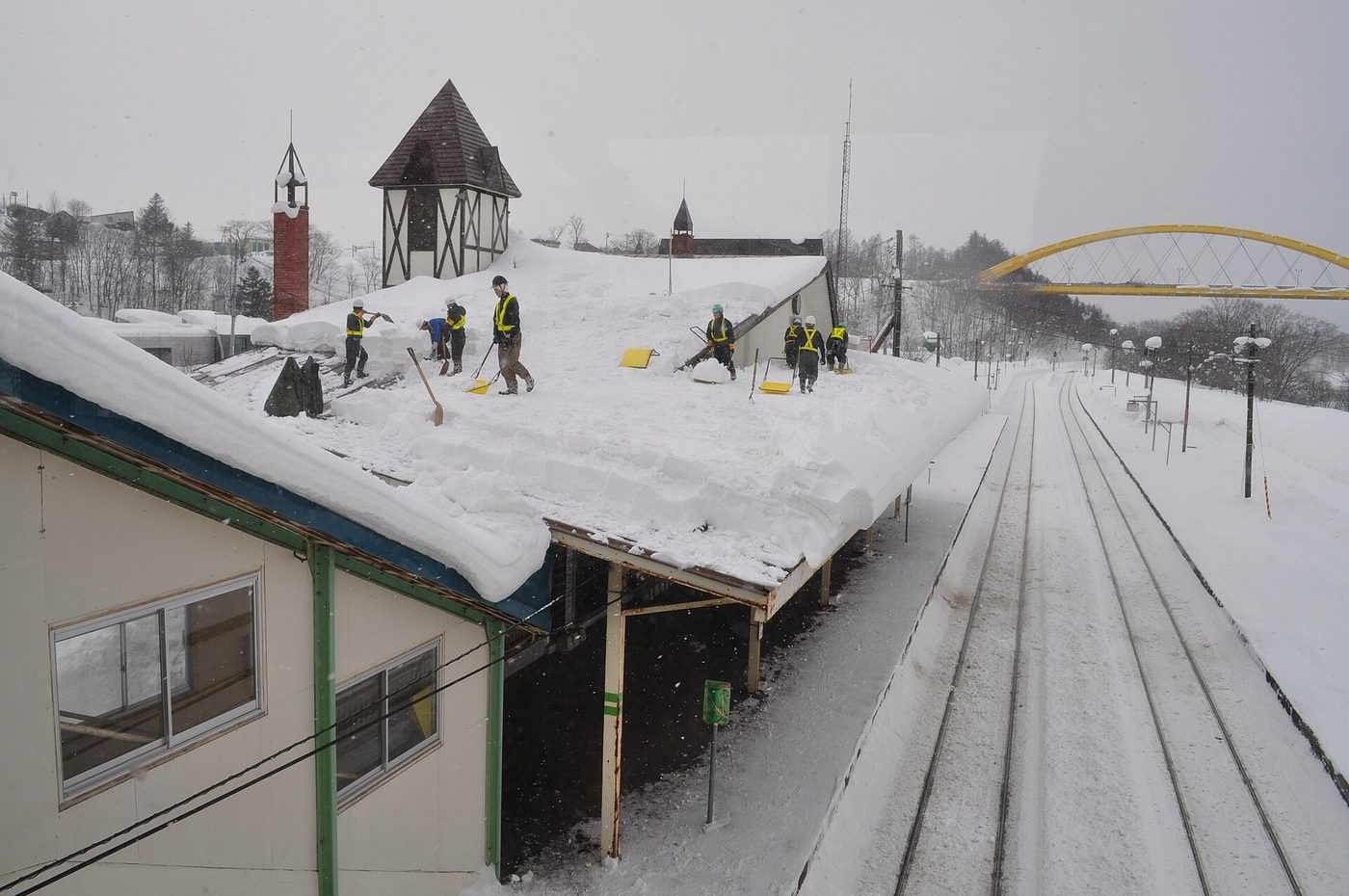
Niseko is the most internationalised ski destination in Japan by a wide margin — Australian-run bars, English menus, a property market largely owned from overseas. Its four linked ski areas (Annupuri, Niseko Village, Grand HIRAFU, Hanazono) sit on one volcano and share one All Mountain Pass. The terrain is mostly moderate in pitch, heavily wooded, and perfectly suited to the snow: you do not need steepness when the snow is that light.
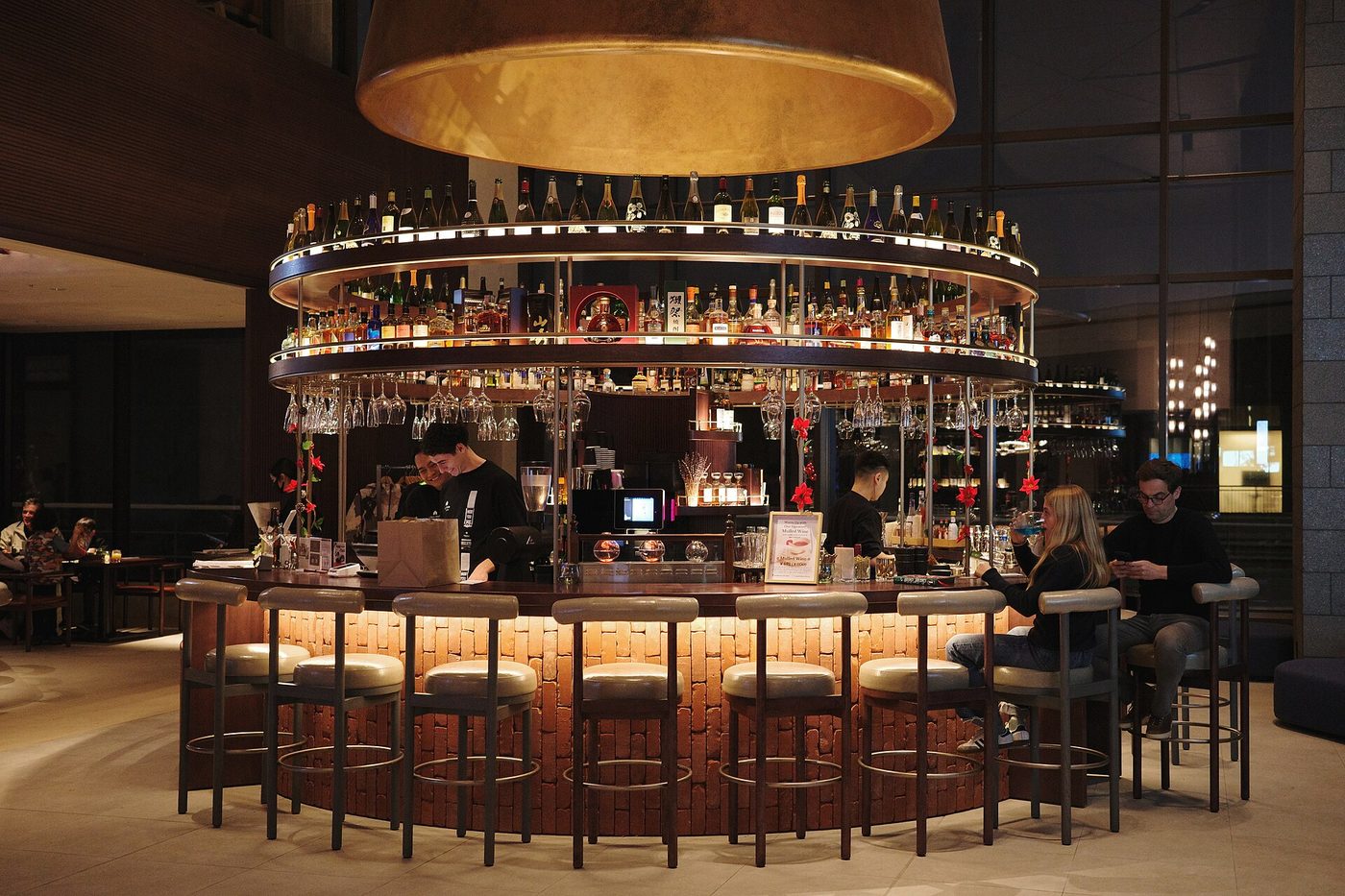
It is also the busiest, most expensive and least Japanese-feeling place to ski in Japan. If you want a powder holiday with minimal friction, that is a feature. If you came for Japan, it is a bug.
Hakuba Valley is ten separate ski areas across a valley in the Northern Japan Alps, linked by one pass and a shuttle bus system. It hosted alpine events at the 1998 Nagano Olympics, and the terrain reflects that: steeper, more alpine, with real vertical and above-treeline options at Happo-one and Tsugaike. Snowfall is lower than Niseko’s but still enormous, and there is much more sunshine.
Hakuba is also two and a half hours from Tokyo by bullet train and bus, which makes it far easier to combine with a city stay.
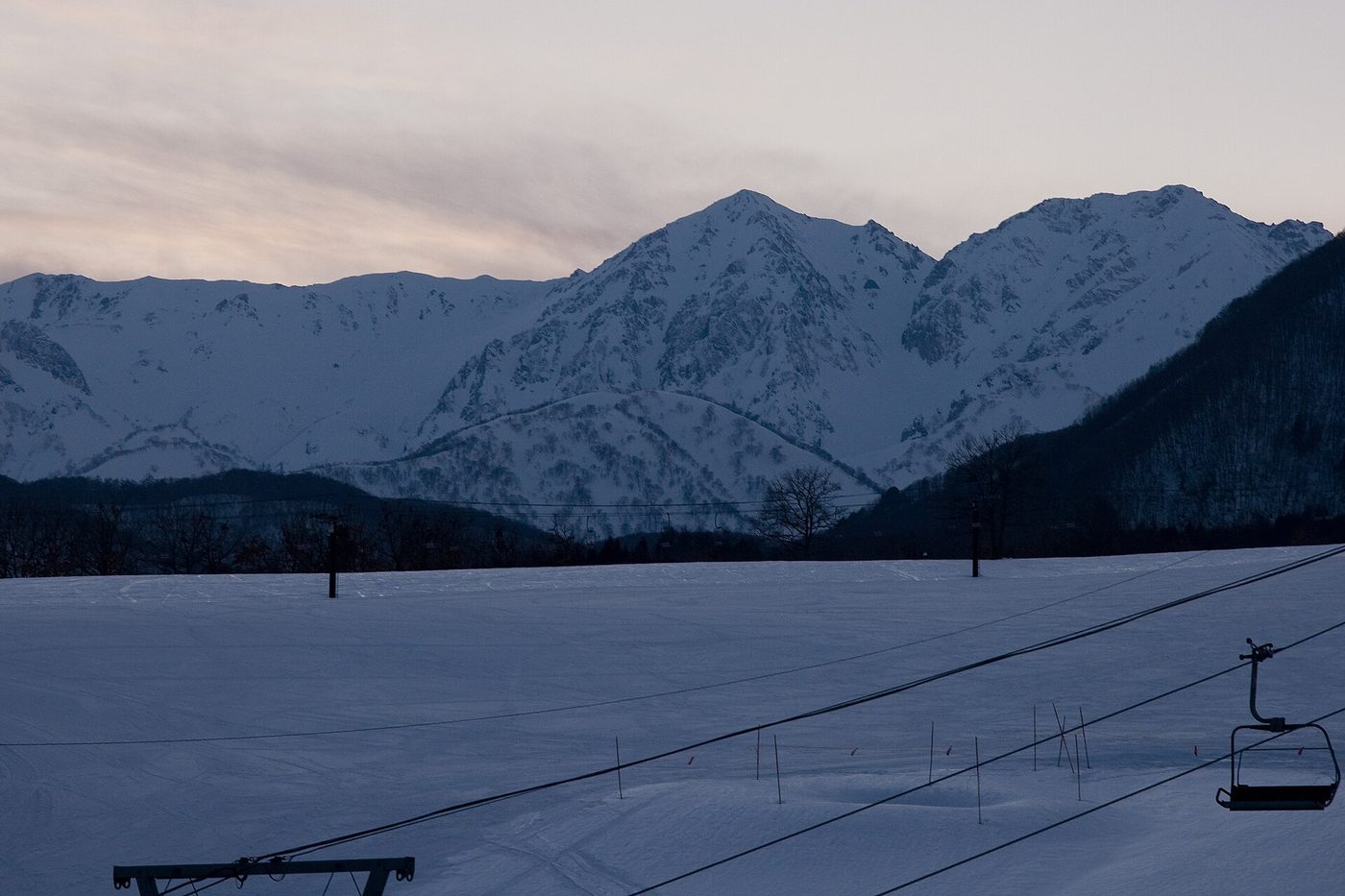
The honest recommendation: go to Hakuba for a first Japan trip if you want a proper Japanese holiday with skiing in it. Go to Niseko if the powder is the entire point and you want the path of least resistance. Go in January for snow and February or March for snow plus visibility. Our Niseko vs Hakuba comparison takes it further.
What else is worth skiing in Japan?
Japan has more than 400 ski areas, and the two famous ones are not the only good answer.
Rusutsu (Hokkaido) is 40 minutes from Niseko, gets comparable snow, has genuinely excellent tree skiing and a fraction of the crowds. Many people who have been to both prefer it.
Furano (Hokkaido) is drier and colder still, more rural, and largely Japanese in its clientele.
Kiroro (Hokkaido) gets some of the deepest snow in the country and is a short transfer from Sapporo.
Nozawa Onsen (Nagano) is the best combination of skiing and traditional Japanese village anywhere in the country — a centuries-old onsen town with a dozen or so free public bathhouses and a substantial ski area above it.
Myoko Kogen (Niigata) gets colossal snowfall, has a laid-back, un-corporate feel, and is much cheaper than Hakuba an hour away.
Shiga Kogen (Nagano) is the largest linked ski area in Japan by resort count, high enough to hold snow late, and next door to the snow monkeys at Jigokudani.
Zao Onsen (Yamagata) is famous for its juhyo — “snow monsters”, trees so completely rimed by wind-driven ice that they become abstract white forms. It is a genuine spectacle and the skiing is decent.
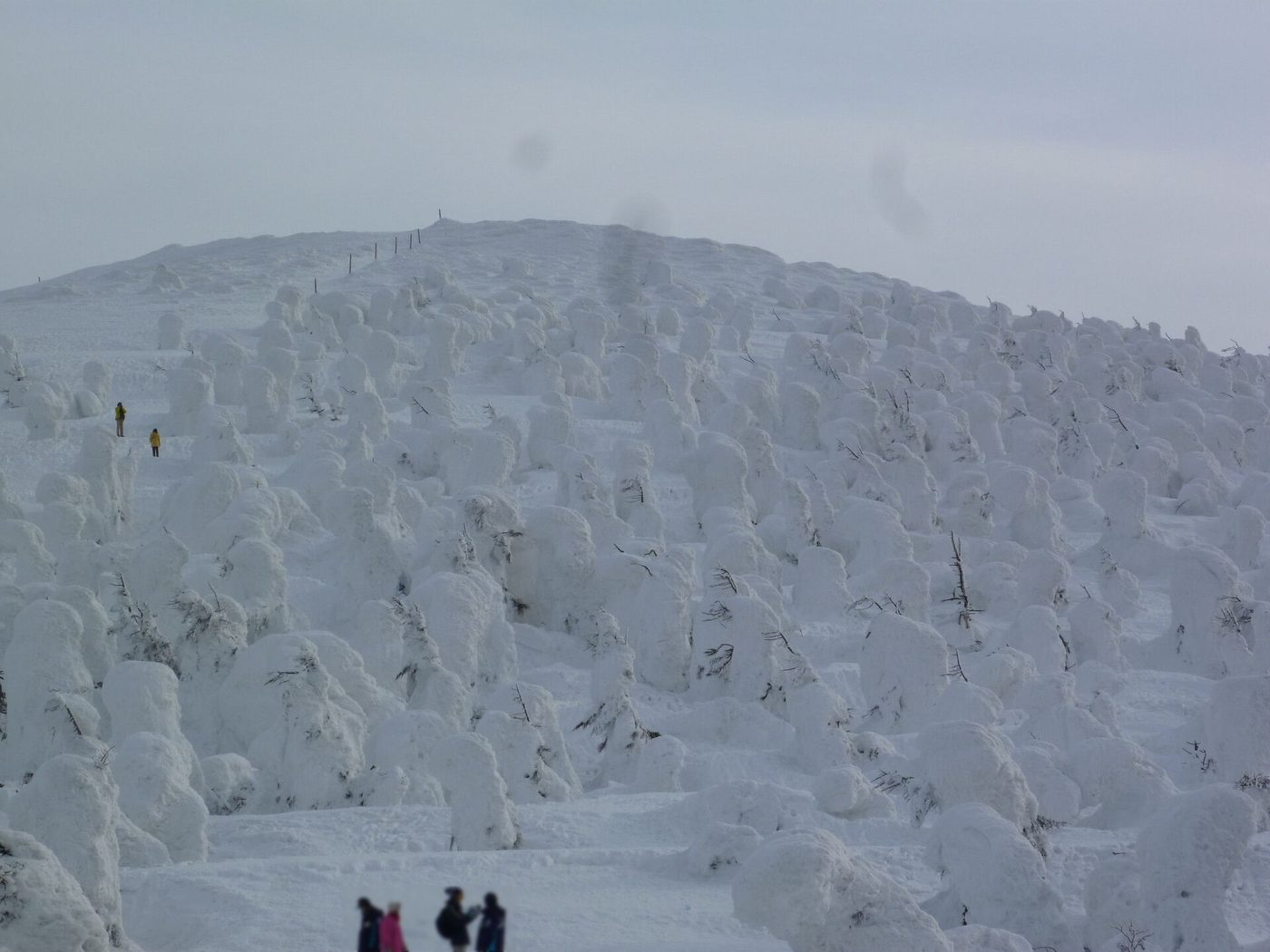
Appi Kogen and Hachimantai (Tohoku) are quiet, snowy and cheap, in a region most foreign skiers skip entirely.
The best ski resorts in Japan covers the full list.
Which pass covers skiing in Japan?
Three international passes reach Japan, and the split is worth understanding before you buy anything.
Ikon covers Niseko United at up to seven days on the full pass (fewer on Base and Session), plus eight other Japanese resorts — nine destinations in total. That is comfortably the strongest Japan lineup of any international pass.
Epic gives eligible 2026/27 products five consecutive days at Hakuba Valley with no blackout dates, collected at local ticket windows. Note “consecutive” — the days must run back to back, which shapes your itinerary.
Mountain Collective includes Niseko United among its 27 global destinations, at two days with no blackouts. For anyone whose main trip is elsewhere and who wants a Japan add-on, it is the efficient option.
Pass access checked 10 September 2026 against the operators’ own pages. Terms differ by pass product and change every season — confirm before you buy.
The honest verdict: for a single Japan trip, do not buy a pass for it. A week of Niseko day tickets at peak season is roughly ¥91,500 for seven days — real money, but far less than a $1,449 Ikon Pass you would use for seven days and nothing else. The passes make sense only if Japan is an addition to a North American season, which is exactly how most people who use them are using them. Our ski pass guide runs that math properly.
What does a Japan ski trip cost?
Less than you think on the ground, more than you think in the air. Japanese lift tickets, food, accommodation and transport are all cheap by US destination-resort standards; the flight is the expensive part and it does not get cheaper.
| Line item | Japan | US destination resort |
|---|---|---|
| Lift ticket per day | ¥11,100–13,500 | $150–260 |
| Rental gear per day | ¥4,000–8,000 | $45–85 |
| Lunch on mountain | ¥1,000–1,800 | $22–40 |
| Lodging per night, mid-range | ¥12,000–30,000 | $200–450 |
| Airport transfer | ¥3,000–6,000 | $50–120 |
| Flights from the US west coast | $900–1,800 | $300–700 |
Lift and pass prices from operator pages, checked 10 September 2026. Yen figures are not converted here on purpose: the exchange rate moves constantly and any dollar equivalent printed in September would be misleading by December. Convert at the rate on the day you book.
What that adds up to. Excluding flights, a seven-day Japan ski trip costs meaningfully less than a comparable week in Colorado or Utah — often 30 to 50% less, because every single line except the flight is cheaper. Add the flight and the two land in roughly the same place for a US skier on the west coast, and Japan comes out slightly more expensive from the east.
Which means the real comparison is not price, it is what you get for it. The same money buys you 550 inches of the lightest snow on the planet, an onsen every evening, and food that is genuinely one of the reasons to go. Japan ski trip cost breaks the budget down properly.
Three specific ways to cut it:
- Go outside peak season. Niseko’s peak runs 24 December to 28 February; regular season either side is ¥12,600 and early/spring season is ¥8,800. Early December and late March still get enormous snow and cost a third less.
- Stay in Japanese-run lodging. A minshuku or small pension with half board costs a fraction of a Western-branded hotel and feeds you better.
- Rent gear in Japan. Rental is cheap, well maintained, and specifically suited to the snow — Japanese rental fleets carry far wider powder skis than an American shop would issue. Skip the ski bag and the airline fees entirely; our ski travel logistics guide covers the trade-off.
How do you get to Japan’s ski resorts?
Fly into Tokyo for Honshu and Sapporo New Chitose for Hokkaido, then take a train or a resort bus. Japan’s public transport is the best in the ski world, and for most resorts a rental car is unnecessary and actively unhelpful.
| Destination | Route | Time from airport |
|---|---|---|
| Niseko | New Chitose (CTS) → resort bus | 2.5–3 hr |
| Rusutsu | New Chitose (CTS) → resort bus | 1.5–2 hr |
| Furano | New Chitose (CTS) → bus or train | 2–3 hr |
| Hakuba | Tokyo → Hokuriku Shinkansen to Nagano → bus | 3–3.5 hr total |
| Nozawa Onsen | Tokyo → Shinkansen to Iiyama → bus | 2.5–3 hr total |
| Myoko Kogen | Tokyo → Shinkansen to Nagano → local train | 3 hr total |
| Shiga Kogen | Tokyo → Shinkansen to Nagano → bus | 3 hr total |
| Zao Onsen | Tokyo → Shinkansen to Yamagata → bus | 3.5 hr total |
The Shinkansen is the correct way to reach Honshu resorts. It is fast, punctual to the minute, and has luggage space. Reserve an oversized-baggage seat in advance if you are travelling with a ski bag — this is now required on some lines and enforced.
Hokkaido needs a bus. There is no shinkansen to Niseko. The resort buses are comfortable, run to schedule and can be booked online in English.
Do not rent a car unless you have a specific reason. Japanese mountain roads in January are snow-covered, driving is on the left, road signs are frequently in Japanese only, and parking at resorts is limited. The buses go where you need to go. How to get to Japan’s ski resorts covers the routes in detail.
What is different about skiing in Japan?
Enough that it is worth reading this section before you go rather than after.
The off-piste rules are strict and enforced. Japanese resorts have historically prohibited skiing outside marked boundaries, and while Niseko and several other resorts now operate managed gate systems that open and close with avalanche conditions, going under a rope where there is no gate can get your pass cancelled on the spot. This is not a formality. Learn the gate system at the resort you are at, and treat a closed gate as closed.
Avalanche risk is real and under-appreciated. Enormous snowfall onto steep, wooded terrain produces genuine avalanche hazard, and the tree wells that come with deep snow around large trees kill people every season. Ski trees with a partner, in sight of each other.
The lifts are old and slow in places. Japan’s ski industry peaked in the early 1990s and much of the infrastructure dates from then. Expect two-seat chairlifts, no bubbles and no heated seats at many resorts. Nobody minds, because the snow is falling.
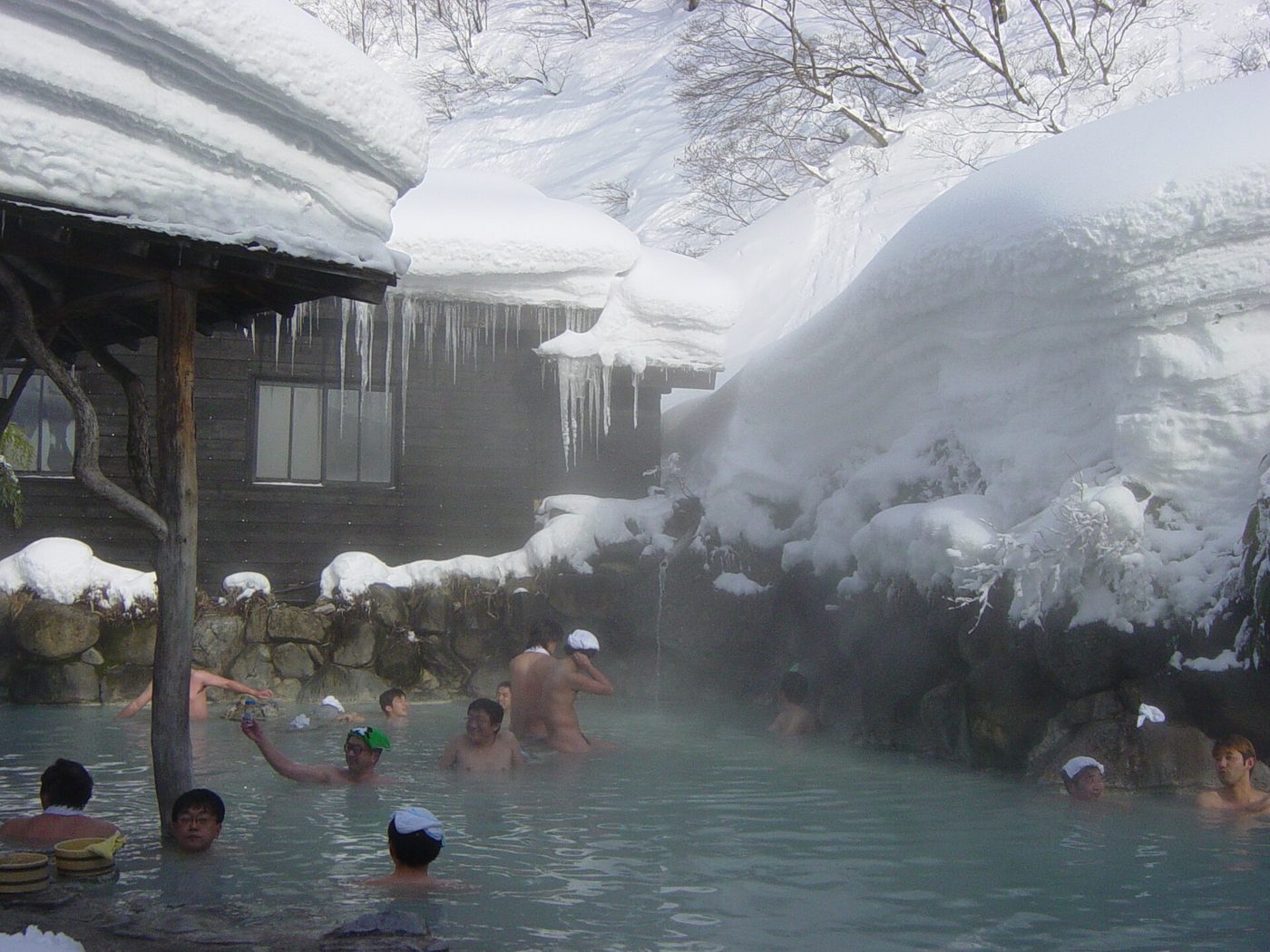
Onsen are part of the day. Almost every ski town has hot springs, and soaking after skiing is the normal way to end a day. The etiquette is not optional: wash thoroughly at the seated showers before entering the bath, do not put your towel in the water, and do not wear a swimsuit. Tattoos are still prohibited at some traditional onsen, though this is easing and many ski-town facilities are relaxed about it — check, or use a private kashikiri bath. Onsen etiquette for skiers covers it properly.
Ski school in English exists but book early. Niseko and Hakuba both have well-established English-language ski and snowboard schools. They sell out in January.
Food is a genuine reason to go. On-mountain lunch in Japan is a bowl of ramen or curry for about ¥1,200 that is better than anything served on a mountain in North America at any price.
Cash still matters. Japan is more card-friendly than it was, but small restaurants, buses and onsen in ski towns are often cash-only. Carry more yen than feels necessary.
When should you go?
January for the deepest and most reliable snow, February for snow plus slightly better visibility, and March for sunshine, spring conditions and much lower prices. December is a genuine option in Hokkaido and a gamble on Honshu.
- Late November–mid December: Niseko opens 28 November for 2026/27. Early-season pricing at ¥8,800 a day, limited terrain, and Hokkaido snow that is already very good.
- Late December–early January: The New Year holiday is the busiest and most expensive fortnight of the Japanese season, both for domestic and international visitors.
- January: The month Japan is famous for. Snow most days, deep base, flat light, and the upper lifts closed a lot of the time. Peak-season pricing.
- February: Nearly as much snow with better visibility and slightly longer days. The best all-round month for most visitors.
- March: Regular-season pricing until 22 March, then spring rates. Sunshine, big base, and genuinely excellent conditions in Hakuba’s higher terrain.
- April–early May: Niseko runs to 5 May at ¥6,300 a day. Spring skiing, cherry blossom in the valleys, and almost no one there.
The best time to ski in Japan goes month by month, and the ski season guide puts Japan alongside the northern-hemisphere calendar.
How do you plan a ten-day Japan ski trip?
Ten days is the minimum that makes the flight worthwhile, and it is enough to ski two regions rather than one. The pattern that works for most first-timers is Honshu first, Hokkaido second — or the reverse if January snow is the whole point.
| Days | Where | Why |
|---|---|---|
| 1 | Arrive Tokyo | Recover, eat, do not try to ski on arrival day |
| 2–5 | Hakuba Valley | Shinkansen to Nagano, bus to Hakuba. Four days across several of the ten ski areas |
| 6 | Snow monkeys and Nozawa | Jigokudani on the way, overnight in Nozawa Onsen |
| 7 | Fly Tokyo → Sapporo | Domestic flight, bus to Niseko or Rusutsu |
| 8–10 | Niseko or Rusutsu | Three days of Hokkaido powder |
| 11 | Fly home from Sapporo | Via Tokyo or direct where available |
Two things make this work. Japan’s luggage forwarding services (takkyubin) will send a ski bag from one hotel to the next for a modest fee, usually overnight, so you can ride the Shinkansen with a daypack rather than a coffin-sized bag. And the Epic Pass’s five consecutive Hakuba days fit the middle block of that itinerary exactly, if you happen to hold one.
A Japan ski itinerary has day-by-day versions for seven, ten and fourteen days.
What gear should you bring to Japan?
Bring your boots, goggles, gloves and a proper shell. Rent the skis. That is the short answer, and it is the right one for almost everybody.
Boots travel with you for the same reason they do on any trip — rental boots are the single fastest way to ruin a ski holiday, and Japanese rental shops stock sizes that run small for Western feet. If you wear anything above a US men’s 11, bring your own or accept that the choice will be thin.
Rent the skis in Japan. Rental fleets at Niseko, Hakuba and Rusutsu are built for the snow, which means genuinely wide powder skis as standard rather than the narrow all-mountain skis an American shop hands a visitor. A wide rental ski in Japanese powder is a better tool than the carving ski you own. It also saves you the ski bag, the airline fee and the Shinkansen oversized-baggage reservation.
Goggles matter more than usual. January in Hokkaido is mostly flat light. A low-light lens in the 45 to 70% VLT range is the right choice for most days, and a clear or yellow lens for night skiing, which runs until well into the evening at Niseko between 12 December and 22 March. Our ski gear guide covers lens tints properly.
Bring a face covering. Northern Japanese cold combined with near-constant snowfall makes a neck gaiter or balaclava a daily necessity rather than an optional extra.
Do not bring avalanche equipment unless you know how to use it — and if you are planning to ski backcountry gates, go with a guide who will issue it and brief you properly.
Six mistakes people make on a first Japan ski trip
1. Booking a five-day trip. Two of those days disappear into the flight. Ten days is the floor; fourteen is better.
2. Going only to Niseko in January and expecting views. You will get extraordinary powder and you may never see Mount Yotei. If sunshine matters to you, add Hakuba in February or March.
3. Ducking ropes. Gate systems exist at Niseko and elsewhere, and a patroller who finds you under a closed rope can cancel your pass on the spot. Treat the boundary as absolute.
4. Skiing trees alone. Tree wells in snow this deep are a genuine and under-appreciated hazard. Ski in pairs and keep each other in sight.
5. Renting a car. Snow-covered mountain roads, driving on the left and Japanese-only signage — and the buses and trains go everywhere you need to go anyway.
6. Converting every price into dollars in your head. The exchange rate moves, and doing the arithmetic on every bowl of ramen is exhausting. Set a daily yen budget before you leave and spend against that.
Is skiing in Japan actually worth the flight?
For a powder skier, yes, once, and probably more than once. For everyone else it depends on what you want from a ski holiday.
Go if: you want the most reliable deep snow on the planet, you like skiing trees, you are interested in Japan as a destination and not only as a mountain, and you can take ten days or more so the flight amortises across enough skiing.
Do not go if: you want steep alpine terrain and big vertical, you need sunshine to enjoy a ski holiday, you are travelling with beginners who will not get the point, or you only have five days — the flight will eat two of them.
The honest comparison with Europe. A week in the Alps is a shorter flight from the eastern US, has vastly more vertical and lift-served alpine terrain, and costs less on lift tickets than the US. Japan has better snow and a more interesting destination around it. Both are covered in skiing in Europe, and the case for staying home is in best ski resorts in the US.
A note on terrain expectations. Japanese resorts are mostly below treeline, with vertical drops in the 1,000 to 3,000 foot range and pitches that would be marked blue in Colorado. This is not a criticism — light snow does not need steep terrain to ski well, and the trees are the point. But a skier who measures a resort by its steepest run will come home underwhelmed, and that is worth knowing before you buy the ticket.
Frequently asked questions
Where is the best skiing in Japan?
Niseko United on Hokkaido for pure snow — more than 14 metres a season across four linked ski areas — and Hakuba Valley in Nagano for terrain variety, with ten ski areas, Olympic pedigree and better visibility. Rusutsu, Nozawa Onsen, Myoko Kogen and Furano all get comparable snow with far fewer international visitors.
How much snow does Japan get?
Niseko averages more than 14 metres a season, commonly quoted around 15 metres, or roughly 550 to 590 inches. Hakuba averages 11 to 13 metres. More important than the totals is the consistency: northern Japan gets snow on most days in January rather than in discrete storm cycles.
How much does a lift ticket cost in Japan?
A Niseko United All Mountain day pass costs ¥13,500 in peak season (24 December to 28 February 2026/27), ¥12,600 in regular season, ¥8,800 in early and spring season and ¥6,300 from 5 April. Hakuba Valley’s all-mountain day pass is ¥11,100 adult. Both are well under half a comparable US destination day ticket.
Is Niseko or Hakuba better?
Niseko has more snow, easier English-language logistics and mellower tree terrain; Hakuba has more varied and steeper terrain, more sunshine, ten ski areas on one pass and much easier access from Tokyo. For a first trip that is also a Japan holiday, Hakuba. For a pure powder trip with minimal friction, Niseko.
Which ski pass works in Japan?
Ikon covers Niseko United at up to seven days on the full pass plus eight other Japanese resorts. Epic gives eligible 2026/27 products five consecutive days at Hakuba Valley with no blackouts. Mountain Collective includes Niseko United at two days. For a single Japan trip, day tickets are usually cheaper than buying a pass.
Do you need to speak Japanese to ski in Japan?
No. Niseko is thoroughly internationalised and Hakuba is well set up for English speakers, with English signage, menus and ski schools at both. Away from those two, English thins out quickly — a translation app and a willingness to point solves almost everything.
Can you ski off-piste in Japan?
Within managed gate systems, yes. Niseko and several other resorts open and close marked backcountry gates according to avalanche conditions, and ducking a rope where there is no gate can get your pass revoked immediately. Tree wells are a genuine hazard in snow that deep — ski with a partner and keep each other in sight.
What is onsen etiquette for skiers?
Wash thoroughly at the seated showers before you get into the bath, never put your towel in the water, and do not wear a swimsuit. Some traditional onsen still refuse entry to people with tattoos, though many ski-town facilities are relaxed about it — check in advance or book a private bath.
The bottom line
Japan is the best snow in the world, sold at a price that has not caught up with that fact. A peak-season day at Niseko costs ¥13,500 and comes with more powder than most skiers see in a season at home.
Get four things right. Pick the destination for the trip you actually want — Hakuba for a Japan holiday with skiing in it, Niseko for powder with minimal friction. Pick the month — January for snow, February for the best balance, March for sun and value. Do not buy an international pass for a single trip; day tickets are cheaper. And learn the gate system and the onsen rules before you arrive, because both matter more than any equipment decision you will make.
From here: the best ski resorts in Japan covers the full list, Niseko skiing and Hakuba skiing go deep on the two big destinations, and Niseko vs Hakuba settles the choice. For planning, start with how to get to Japan’s ski resorts, Japan ski trip cost and a Japan ski itinerary; for the things that make the trip, Japan powder snow, onsen etiquette and the best time to ski in Japan.
Lift prices, season dates and pass access checked 10 September 2026 for the 2026/27 season against the operators’ own pages. Yen figures are deliberately not converted — check the exchange rate on the day you book.
Japanese après-ski looks nothing like the Colorado version: an onsen instead of a bar, ramen instead of nachos, and an early night because it will snow again tomorrow. It is, for many visitors, the best part of the trip. Our guide to apres ski compares the traditions in North America, the Alps and Japan, and covers hot springs near ski resorts on both sides of the Pacific.
Niseko and Hakuba both support a genuine luxury tier now — ski-in chalets, private powder guiding and high-end dining that would not have existed there two decades ago, alongside the famously deep and reliable snowfall that drew skiers there in the first place. The economics are different from North America or the Alps, but the underlying categories are the same. Our guide to luxury ski vacations covers what each upgrade — private instruction, off-piste guiding, top-tier lodging — actually costs and delivers.
Niseko United carries Ikon Pass access for up to seven days on the full tier, alongside eight other Japanese resorts, while Epic’s Japan presence runs through a separate Hakuba Valley benefit rather than the Ikon roster. For US skiers already holding one of the two big passes, that split is worth knowing before assuming either one gets you onto Japanese snow. Our Epic Pass vs Ikon Pass comparison covers the international rosters alongside the domestic ones.
Beyond Ikon’s direct Niseko access, Mountain Collective offers a second, lower-commitment way to add a Japan powder trip onto a North American season — two days at Niseko United plus roughly two dozen other marquee resorts worldwide, for a fraction of what a full Ikon or Epic pass costs. It suits a skier who wants one Japan trip and a couple of other bucket-list stops rather than a full season built around any single roster. Our Mountain Collective Pass guide breaks down exactly who it fits.
Sources
- Niseko United — 2026/27 All Mountain Pass prices and season dates, checked 10 September 2026
- Niseko United — 2026/27 All Mountain season pass, checked 10 September 2026
- Niseko United — Ikon Pass access, checked 10 September 2026
- Hakuba Valley — All-Mountain season pass and lift pricing, checked 10 September 2026
- Mountain Collective — Niseko United, checked 10 September 2026
- Mountain Collective — 2026/27 passes on sale
- Ikon Pass — 26/27 pricing and access, checked 10 September 2026
- Epic Pass — official pass pricing, checked 10 September 2026
Snowfall averages are long-run figures published by the resorts and regional weather records; they describe a typical season and say nothing about any particular one.
Image credits
| Image | Photographer | Licence | Source |
|---|---|---|---|
| Powder skiing at Hodaigi, Gunma (featured image) | Kamimoku International Village | CC BY-SA 3.0 | Commons |
| Clearing the roof, Niseko Station | David McKelvey | CC BY 2.0 | Commons |
| Hotel bar, Niseko area | MIKI Yoshihito | CC BY 4.0 | Commons |
| Northern Japan Alps above Tsugaike Kogen, Hakuba | Σ64 | CC BY 3.0 | Commons |
| Snow monsters, Zao Onsen | Suz-b | CC BY-SA 3.0 | Commons |
| Outdoor onsen in snow | Markmark28 | CC BY-SA 3.0 | Commons |