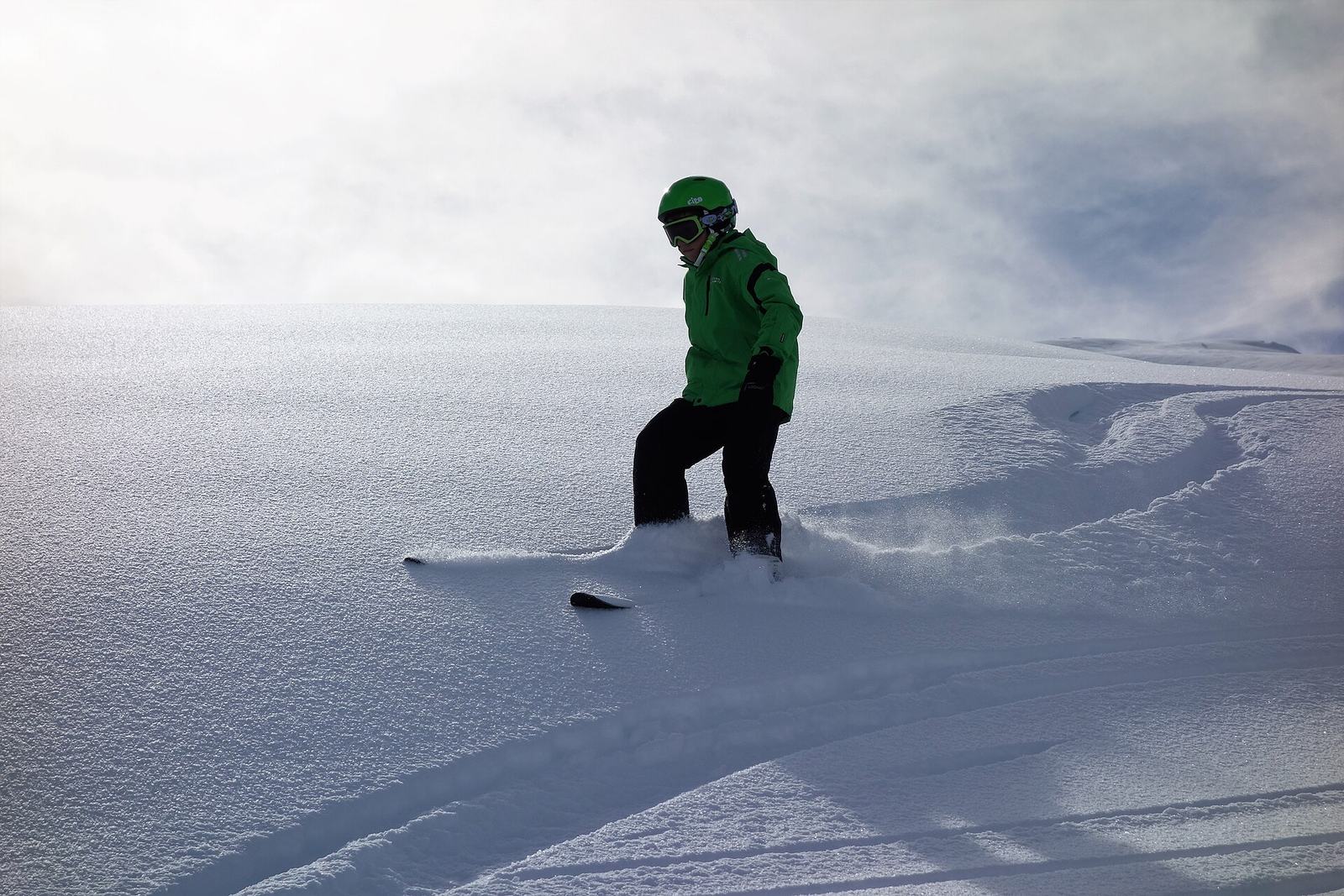
Skiing for beginners comes down to four things: take a lesson from a real instructor on day one, rent everything, wear the right layers, and pick a resort with genuinely good green terrain rather than a token learning area. Do those four and most people can link turns on a gentle slope inside two days. Skip the lesson and you may still be sliding sideways on day four.
Almost everything else you have been told is noise. You do not need your own skis. You do not need to be fit, young or brave. You do not need to know what a carve is. What you need is one good instructor, boots that fit, clothing that keeps you dry, and enough patience to be bad at something in public for two days.
This guide covers the whole first-season arc — before you go, the first three days, the specific fears people have, and the things nobody tells first-timers because they seem too obvious to mention.
What to do before you go
Five things, in order of how much difference they make.
- Book a lesson. Not a friend, not a partner, not a video. This is the single most consequential decision on this page, and the reasons are in the next section.
- Sort your clothing. Waterproof jacket and trousers, warm mid-layer, synthetic or wool base layer, proper gloves, goggles. Not cotton, not jeans, not a wool sweater under a rain shell.
- Book rentals online, in advance. Cheaper by 10–20%, faster on the morning, and better equipment.
- Do some legs. Two or three weeks of squats and walking will not make you a skier but will stop day two hurting quite so much.
- Pick the right resort. Some mountains are excellent for learning and some are actively hostile to it. More on that below.
What you do not need to do: buy skis, buy boots, buy poles, watch instructional videos, or practise on a dry slope. The first three are money wasted, the fourth is genuinely counterproductive — arriving with half-understood theory usually makes the lesson harder — and the fifth is optional at best.
Why the lesson matters more than everything else
Book a lesson because skiing is one of the few sports where the intuitive response to speed is the wrong one. The instinct is to lean back and away from the hill; the correct move is to lean forward, down the slope, into the thing that frightens you. Nobody teaches themselves that, and being taught it badly by a partner is the most reliable way to end a relationship with skiing.
The economics are also better than they look. A group lesson runs roughly $150–$350 a day in North America depending on resort and season; a private is $700–$1,200. Set that against the cost of the trip — flights, lodging, lift access — and the lesson is 5–10% of the total. Skipping it to save $200 and then spending three of five days frustrated on the same slope is a poor trade in every direction.
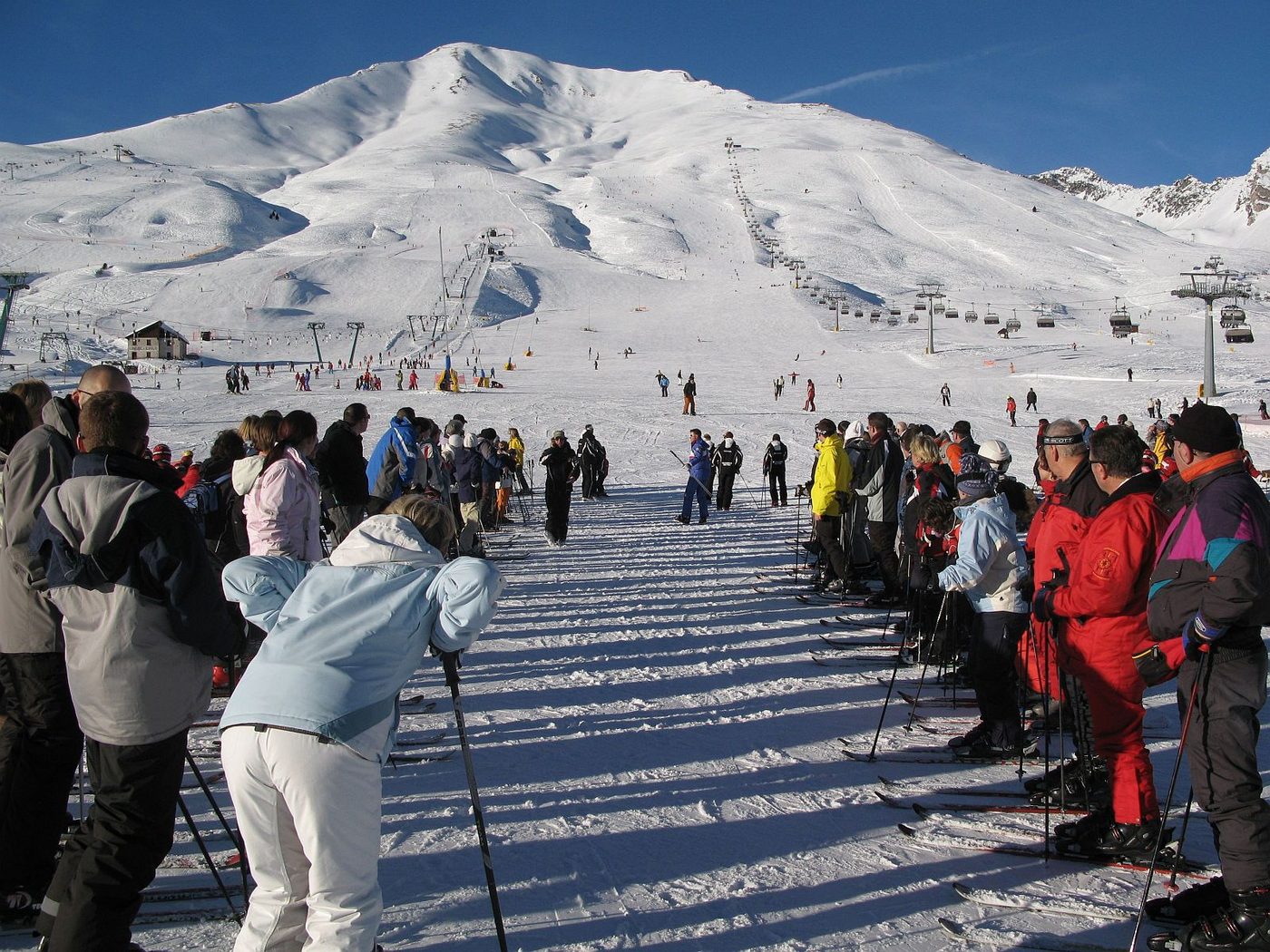
Group or private?
For a genuine first-timer, half-day group lessons on each of the first two days beat one long private. Early progress is limited by leg strength and concentration rather than by instruction, and a full day of private coaching on day one is mostly wasted on legs that stopped listening at 11am. Groups also help socially — everyone else is falling over too, which matters more than people admit.
Take a private when: you are nervous enough that a group will make it worse; you have specific physical constraints; there are two or three of you at the same level and you can share the cost; or you are an intermediate who has been stuck for years, where two hours of private coaching will do more than another week of skiing.
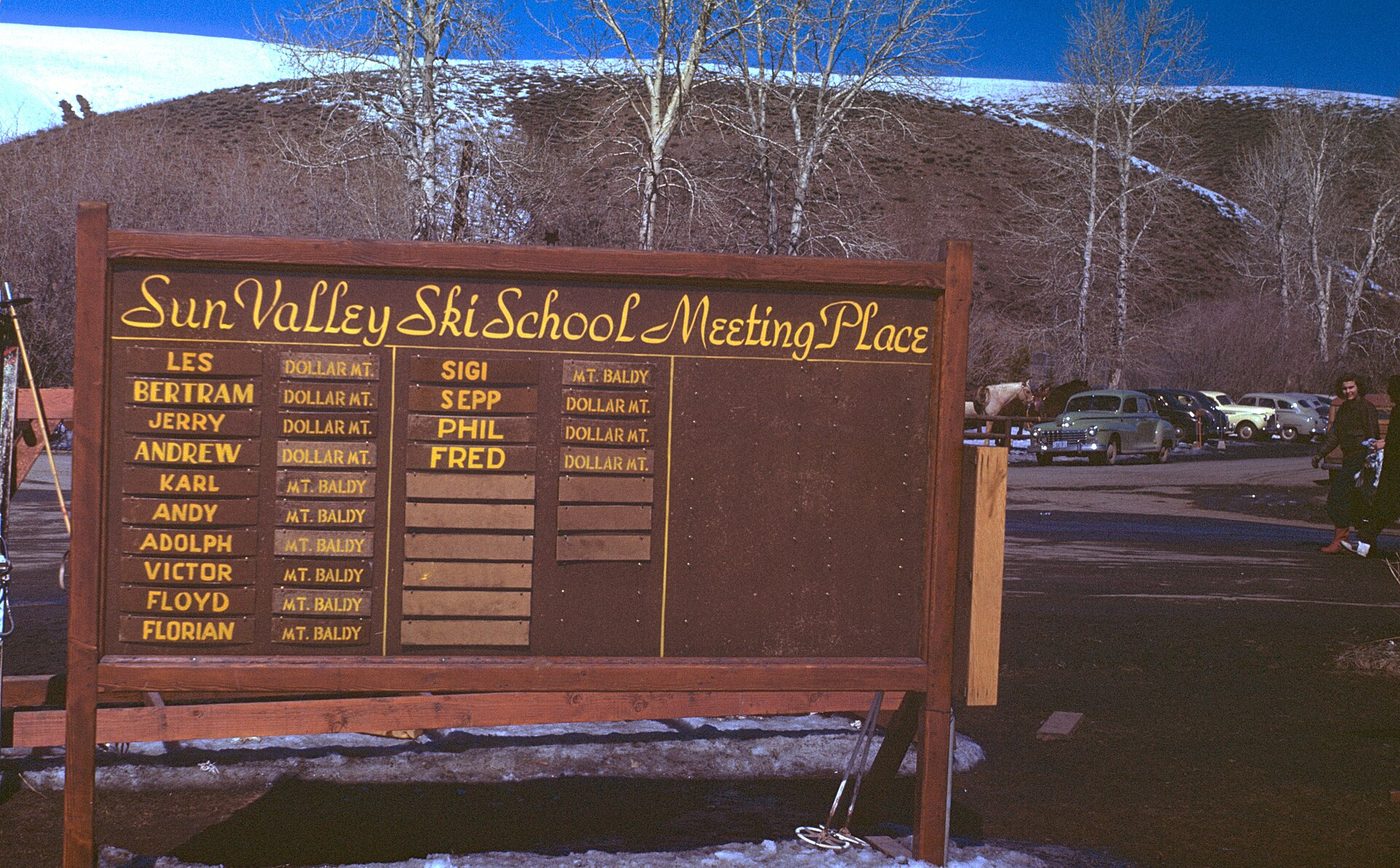
We compare the two formats properly in private vs group ski lessons, and cover the practicalities of arranging one in how to book ski lessons.
What gear do you actually need as a beginner?
Rent the equipment and buy only the clothing. Skis, boots and poles all come as a package from any resort rental shop for roughly $35–$55 a day, and buying them before you know whether you like skiing — or what kind of skier you will become — is the classic beginner mistake.
Rent: skis, boots, poles, and a helmet if it is not included. Helmets are usually a few dollars extra and there is no argument for skipping one.
Buy or borrow: waterproof jacket, waterproof trousers, warm mid-layer, synthetic or merino base layers, ski socks, gloves or mittens, goggles, a neck gaiter, sunscreen.
Skip entirely: ski-specific everything else. You do not need a helmet camera, a heated vest, back protection or a hydration pack on your first trip.
The three purchases that punch above their weight:
- Proper ski socks. One thin pair, tall, synthetic or merino. Two pairs or thick socks make boots fit worse and feet colder, which is the opposite of what everybody expects.
- Goggles, not sunglasses. Snow reflects light upward, wind at speed hurts, and sunglasses fall off.
- Mittens over gloves if your hands get cold. Warmer, at a small cost in dexterity.
The full picture is in the ski gear guide and, for the specific question of what goes on your body, what to wear skiing. The buy-versus-rent crossover point is covered in rent or buy ski gear.
Boots are the thing to get right
Rental boots are where first ski trips go wrong. A boot that feels comfortable in the shop — roomy, easy to walk in — will be sloppy on snow, and your foot will slide inside it while you try to steer. A properly fitted boot feels snug and slightly alarming in the shop and correct the moment you are on a slope. Your toes should brush the front when you stand upright and pull back when you flex your knees forward.
Tell the fitter you are a beginner. They will put you in a softer flex, which is what you want. And if your feet hurt on day one, go back to the shop at lunchtime — this is normal, they expect it, and it is free.
The first three days: what actually happens
Almost every beginner follows the same arc. Knowing the shape of it makes the hard parts less demoralising.
Day one. The magic carpet or a very gentle slope. Putting skis on, sliding, stopping in a wedge — the “pizza” shape — and falling over a lot. You will be exhausted by lunchtime, and that is normal rather than a sign of poor fitness. Half a day is plenty. Expect to feel clumsy and slightly ridiculous.
Day two. The chairlift, and the first proper green run. This is the day most people either fall in love with skiing or decide it is not for them, and it is usually decided by whether they had a lesson. Linked wedge turns start appearing. Your legs will hurt in muscles you did not know about.
Day three. Turns start to feel less like fighting and more like steering. Confidence appears suddenly and is usually followed by one large, humbling fall. A longer green run top-to-bottom becomes possible.
Days four to six. Speed control gets reliable, the wedge starts to narrow, and easy blue terrain becomes plausible with an instructor. Fatigue is now the limiting factor rather than fear.
The realistic answer to how long it takes: most people can ski green runs confidently after three to four days of instruction, and easy blues after about a week on snow spread across one or two trips. Some people get there faster. Almost nobody gets there without lessons. How long it takes to learn to ski breaks it down by age and background.

Your first morning, hour by hour
The logistics of a first ski day are more intimidating than the skiing, largely because nobody explains them. Here is the whole thing.
7:30am. Eat properly. Skiing burns through you and there is nowhere convenient to stop.
8:00am. Collect rental gear if you did not do it the previous afternoon. Doing it the night before is the single best piece of first-trip logistics advice: the shop is empty, the fitter has time, and you are not standing in a queue in ski boots at 8:30 while your lesson starts.
8:30am. Get dressed. Base layer, mid-layer, jacket, ski trousers over the boots rather than tucked in. Goggles on your forehead, not around your neck. Put sunscreen on now.
8:45am. Walk to the meeting point. Boots are miserable to walk in — lean back slightly, take short steps, and undo the top buckle for the walk. Carry your skis on your shoulder with the tips forward and the bindings behind your head.
9:00am. The lesson. You will spend the first twenty minutes doing things that feel absurd: walking sideways up a tiny slope, sliding five feet, standing up after a fall. This is exactly right. The instructor is checking your balance and building the muscle memory everything else sits on.
10:30am. The first proper slides and stops. This is where most people first feel the sport work.
12:00pm. Stop. You are more tired than you think, and afternoon fatigue on day one produces both bad habits and injuries. Eat a real lunch.
1:30pm. Optional: half an hour of practising exactly what you did in the morning, on exactly the same slope. Do not go looking for a new run.
3:00pm. Done. Return the boots — or at least get out of them. Drink water, particularly at altitude.
The evening thing nobody mentions: you will be tired in a way that is disproportionate to the exercise. Cold, altitude, concentration and adrenaline together are exhausting. Plan a quiet first evening and go easy on the alcohol, especially in Colorado where the villages sit above 8,000 feet.
What it actually feels like: cold, altitude and aching legs
Three physical realities that first-timers are unprepared for, all of them manageable once you know they are coming.
You will be cold, then too hot, then cold again. Beginners spend far more time standing still than experienced skiers do — waiting for the group, listening to the instructor, sitting in the snow after a fall — and standing still in winter is cold. Then you climb back up a slope in a jacket and overheat. This is why layers matter more than one very warm coat: you need to be able to open, close and remove things through the day.
Your thighs will burn on day two. Skiing holds your legs in a bent position for hours, which almost nothing else in ordinary life does. The quadriceps soreness peaks about 48 hours in and is normal rather than a sign of doing something wrong. A short walk in the evening helps more than sitting still does.
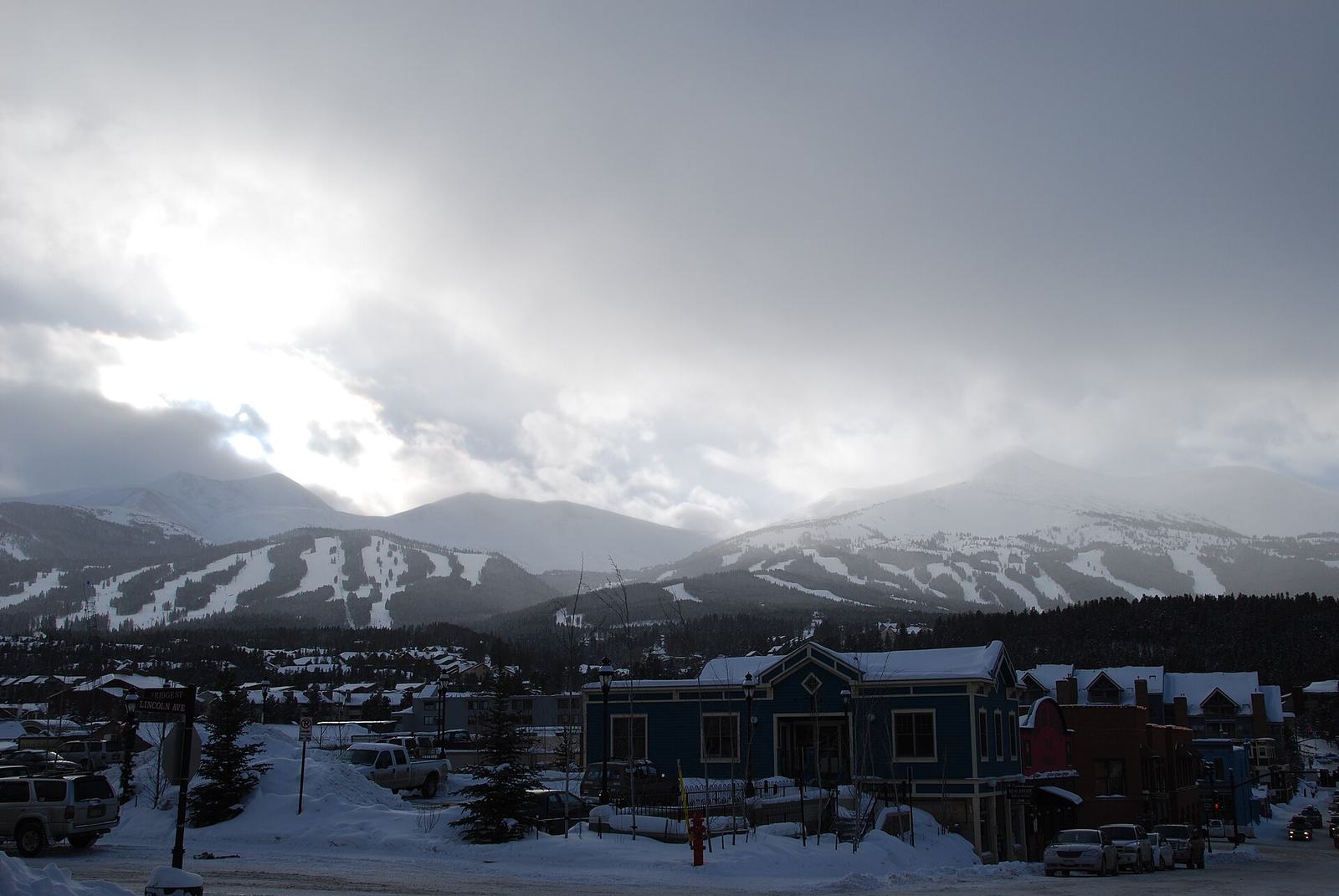
Altitude is a real factor in the American West. Colorado’s resorts sit between roughly 8,000 and 13,000 feet — considerably higher than the Alps. Arriving from sea level and skiing hard on day one, on no sleep, is how people spend day two in bed. Drink much more water than feels necessary, go gently on the first evening’s drinks, and take the first day short. Children feel it more visibly than adults do.
Two smaller things. Snow reflects UV upward, so people burn under their chins and noses — sunscreen, every day, including cloudy ones. And falling is not dangerous at beginner speeds but is startling; the technique for getting up is to roll onto your side, get both skis below you across the slope, and push up from your uphill hand. Your instructor will show you on day one, and you will use it a lot.
How do you stop and turn on skis?
You stop by pushing the tails of your skis apart into a wedge and pressing the inside edges into the snow — bigger wedge, more braking. You turn by putting weight on one ski: press the right ski to go left, press the left ski to go right. That is the entire beginner technique, and everything for the next five years is a refinement of it.
Four cues that instructors repeat because they work:
- Shins against the front of the boot. If you are leaning back you have no control. Skiing is a forward-leaning sport and every instinct tells you otherwise.
- Look where you want to go, not at your ski tips and not at the tree.
- Hands forward and in view, as though carrying a tray. Arms behind you means weight behind you.
- Turn to control speed, not brakes. Beginners try to slow down by braking harder in a straight line. The answer is to turn further across the hill.
The one that takes longest to accept: speed is controlled by direction, not by resistance. Once that lands, skiing gets dramatically easier. Detailed technique is in how to stop on skis and how to turn on skis, and the progression beyond the wedge is in how to get better at skiing.
Chairlifts, trail signs and the rules of the slope
Three pieces of basic literacy that first-timers are rarely given properly.
Chairlifts. Watch the person in front. Shuffle to the line, look over your shoulder as the chair comes, sit down as it arrives, and do not attempt to sit early. Keep ski tips up at the top, stand as the chair pushes you forward, and move away from the unloading area immediately. If it goes wrong, the operator stops the lift — this happens dozens of times a day and nobody minds. Full walkthrough in how to ride a chairlift.
Trail ratings. In North America: green circle is easiest, blue square intermediate, black diamond difficult, double black diamond expert. Crucially, ratings are relative to the individual resort — a blue at a gentle family mountain can be easier than a green at a steep one. Europe uses a different scale entirely: blue easy, red intermediate, black difficult, with no green in most countries. Ski trail ratings explained covers both systems.
The rules of the slope. These are not decorative. The skier in front has right of way; you are responsible for avoiding anyone below you. Do not stop in the middle of a run or below a rise where you cannot be seen. Look uphill before joining a trail. And if someone falls, do not ski over their equipment. Skiing etiquette covers the full code, which is worth ten minutes of reading before your first day.
Where should a beginner learn to ski?
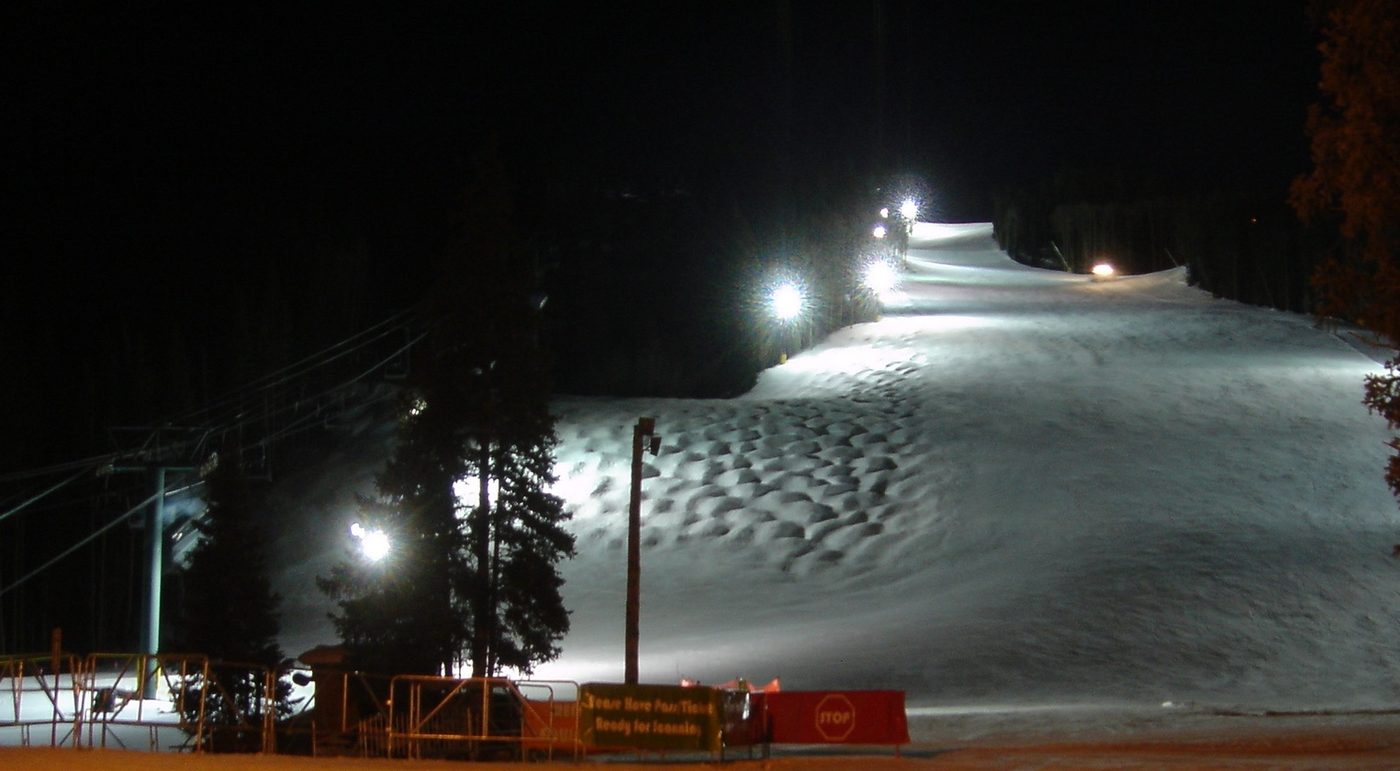
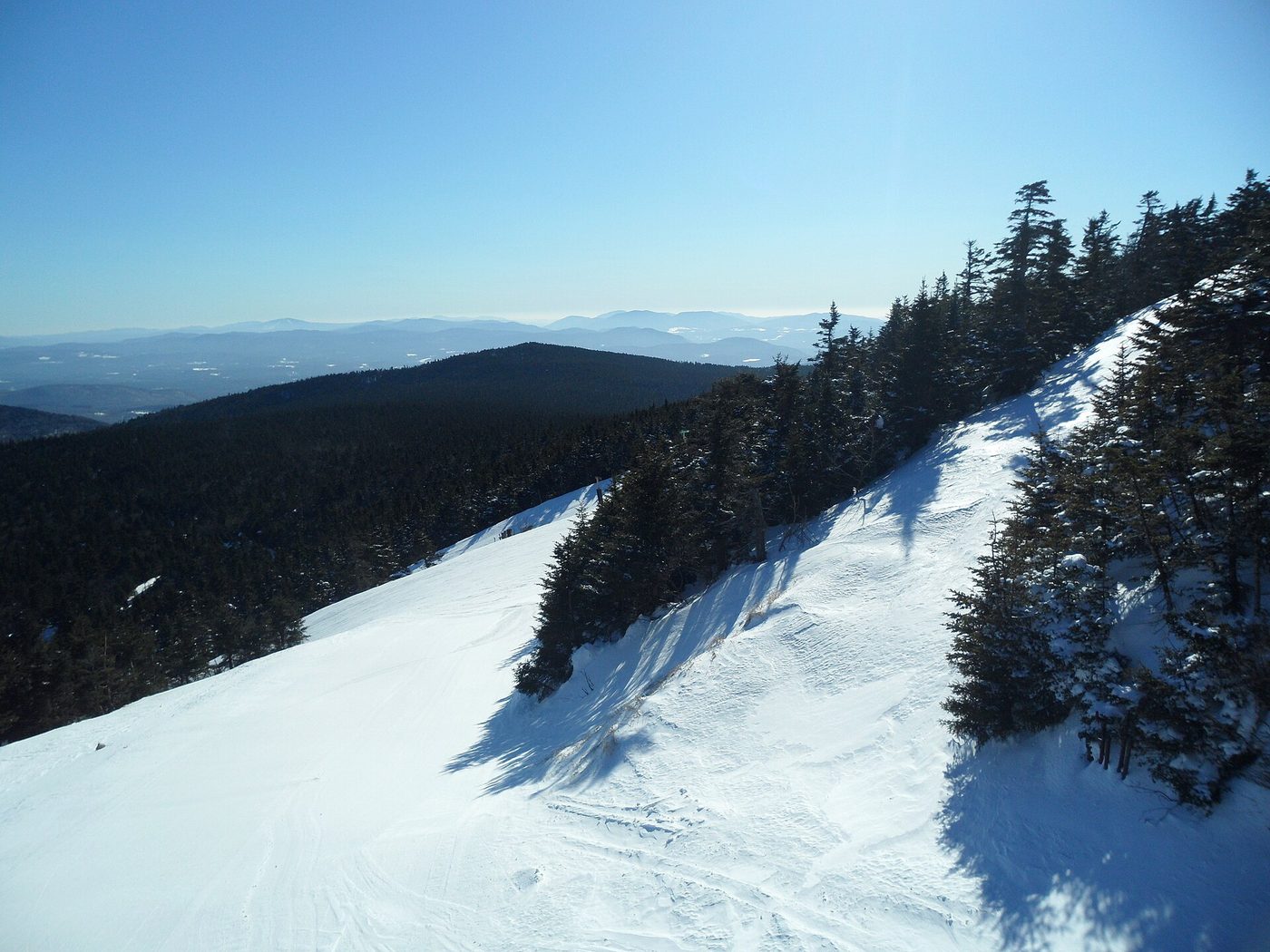
Look for three things: a large, gently pitched learning area separated from through-traffic; long green runs from a real summit so you progress rather than lapping a carpet; and a ski school with small group sizes. Park City, Keystone, Northstar, Deer Valley, Breckenridge and Bretton Woods all deliver this. Jackson Hole, Alta, Mad River Glen and Aspen Mountain do not, and are honest about it.
The specific failure mode to avoid is a resort where the beginner area is a flat patch at the base and the only way up the mountain is a lift that unloads onto intermediate terrain. That configuration traps a beginner at the bottom for a week.
Three more things that matter more than they sound:
- A separate beginner lift. Sharing a lift with the whole mountain means queuing behind people who ski down in forty seconds.
- Somewhere warm at the base. Beginners spend more time cold and stationary than anyone else on the hill.
- A second beginner area higher up. The best learning mountains have gentle terrain at altitude as well as at the base, so progress means going higher rather than staying put.
Two structural notes. March is the best month to learn — warmer, longer days, softer snow, and being cold makes everything twice as hard. And a smaller local hill is often a better place to learn than a famous resort, at a fraction of the cost, with shorter lift lines and instructors who are not rushed. The best ski resorts for beginners ranks them, and the best beginner ski runs names specific trails worth seeking out.
Is skiing hard to learn as an adult?
No, but it is harder than it is for children, for reasons that have little to do with athleticism. Adults have further to fall, more fear of injury, more self-consciousness about being visibly bad in public, and less time on snow. Adults also learn faster in one respect — they understand instructions — and most reach confident green-run skiing in three or four days.
The specific adult obstacles, and what to do about them:
Fear. Entirely normal and entirely manageable. Tell your instructor you are nervous; a good one will change the whole lesson around it. Fear that persists past day three usually means you have been on terrain that is too steep, not that you are unsuited to the sport.
Embarrassment. Everyone in a beginner lesson is equally bad, and everyone else on the mountain is thinking about themselves. This dissolves by lunchtime on day one.
Fitness and age. Skiing is far less about strength than it looks. People learn in their fifties, sixties and beyond regularly. What helps is legs that can hold a bent-knee position, and taking half-days rather than full ones.
Previous bad experience. Very common, and almost always the result of being taught by a partner or being taken onto terrain that was too hard too soon. A proper lesson on gentle ground fixes what a bad first attempt broke.
More on all of this in learning to ski as an adult, is skiing hard to learn and, if fear is the main barrier, the fear of skiing.
What does a first ski trip cost?
Budget roughly $1,000–$1,800 per person for a four-day domestic trip including flights, lodging, rentals, lift access and two lessons. A drive-to weekend at a local hill with rented gear and a group lesson can come in under $500. The two costs beginners forget are lessons — $150–$350 a day — and clothing, if you are buying rather than borrowing.
The beginner-specific line items:
| Item | Typical cost | Notes |
|---|---|---|
| Group lesson | $150–$350/day | Book two on a first trip |
| Beginner lift ticket | Often $0–$60 | Many resorts discount or include beginner-area access |
| Rental package | $35–$55/day | Skis, boots, poles; book online for 10–20% off |
| Helmet | $10/day or included | Never skip |
| Clothing, buying new | $200–$500 | Or borrow, or buy secondhand |
| Beginner learn-to-ski package | Often the best value | Bundles lesson, rental and limited ticket |
Look for a learn-to-ski package. Most resorts bundle lesson, rental and a beginner lift ticket at a price well below buying the three separately, and several convert into a season pass if you keep going. This is almost always the right first purchase, and it is rarely advertised prominently. The wider budget picture is in ski trip cost and the pass question in the best ski pass for beginners.
The beginner mistakes worth avoiding
Every one of these is common, and every one is avoidable.
Leaning back. The universal beginner error, and the cause of most loss of control. Shins against the boot fronts.
Wearing thick socks or two pairs. Makes boots fit worse and feet colder.
Cotton. In any layer. It absorbs sweat, stops insulating and makes you miserable within an hour.
Skiing terrain that is too hard, too soon. Usually because a well-meaning friend says “you’ll be fine”. You will not be fine, and a single bad experience on steep ground can set you back a week.
Not eating or drinking. Altitude, exercise and cold burn through you faster than expected. Most afternoon meltdowns are low blood sugar rather than technique.
Skipping sunscreen. Snow reflects UV upward. Skiers get sunburn under their chins, which is both painful and comic.
Trying to keep up. With a partner, a friend, or the rest of the group. Ski your own speed on your own terrain; you will progress faster and enjoy it more.
Booking a full day on day one. Half days for the first two days, always.
What happens after the first trip
Most people who enjoy a first ski trip make one of two mistakes in year two: they buy equipment, or they stop taking lessons. Both slow progress down considerably.
Do not buy skis yet. A first-year skier’s needs change dramatically over a season, and the skis that suit a nervous green-run skier in December are the wrong ones by March. Rent for at least a full season of skiing — realistically ten to fifteen days — before you spend anything on skis.
Do buy boots, eventually. If you are skiing more than about a week a year, boots are the one purchase that reliably pays for itself. They are where fit matters most and where rental equipment is worst. A proper boot fitting takes an hour or two and is worth every minute.
Keep taking lessons. The most common plateau in skiing is the confident intermediate who can get down anything blue with a slightly defensive technique and never gets further. Two hours of private coaching at that point does more than a whole week of skiing, because someone finally tells you what you have been doing with your uphill hand for four years.
Go more often, for shorter. Three long weekends beat one week for progression, because skill decays between trips and the first day back is always spent recovering. If there is a small hill within two hours of home, use it — it does not matter that it is small.
The longer catalogue, with the fixes, is in beginner ski mistakes. If the vocabulary is what is throwing you, the skiing terms glossary translates the jargon, and what to expect on your first time skiing walks through the day hour by hour.
Frequently asked questions
How long does it take to learn to ski?
Most adults can ski green runs confidently after three to four days of instruction, and manage easy blue runs after about a week on snow spread over one or two trips. Children often progress faster. Without lessons, progress is much slower and frequently stalls entirely.
Is skiing dangerous for beginners?
Less than it looks. Beginners ski slowly on gentle terrain and the most common injuries are bruises and thumb sprains from falling with a pole strap. Wear a helmet, stay on green runs, take lessons and stop when you get tired — day four fatigue causes more injuries than day one inexperience.
Should I learn to ski or snowboard?
Skiing is easier for the first two days and harder to get genuinely good at; snowboarding is brutal for two or three days and then progresses quickly. If you have one short trip, ski. If you are committing to a season, either works. See skiing vs snowboarding.
What should I wear for my first time skiing?
Waterproof jacket and trousers, a warm mid-layer, a synthetic or merino base layer, one pair of thin ski socks, gloves or mittens, goggles and a neck gaiter. No cotton anywhere, no jeans, and no scarf that can catch on a lift.
Can I teach myself to ski?
You can, badly, and most people who try develop habits that take years to unlearn. The forward-leaning body position that skiing requires is counterintuitive and almost nobody arrives at it alone. One lesson is worth several self-taught days.
What age can children start skiing?
Most ski schools take children from three or four years old, and many resorts run programmes from age three. Children under about six learn mostly through play and short sessions rather than instruction. See what age kids can start skiing.
Do I need to be fit to ski?
Not especially. Skiing is more about balance and technique than strength, and beginners ski slowly on gentle terrain. Some leg conditioning beforehand makes day two considerably less painful, and taking half-days early on matters more than any amount of gym work.
The bottom line
Skiing is much easier to start than it looks and much harder to start well without help. The single decision that separates people who love it from people who quit after one trip is whether they had a proper lesson on day one.
Everything else follows from that. Rent your gear, buy your clothing, book half-days for the first two days, pick a resort with real green terrain, go in March if you can choose, and accept that you will be visibly bad at something in public for about forty-eight hours. Almost everybody who gets through that first weekend keeps skiing.
Next steps: what to expect on your first time skiing for the hour-by-hour version, the first ski trip checklist for what to pack and book, what to wear skiing for the clothing, and how to plan a ski trip once you are ready to book. If there are children involved, start instead at family ski vacations.
Lesson and rental prices checked 10 September 2026 for the 2026/27 season and compiled from operator-published rates across multiple resorts. Confirm directly with the resort before booking.
If you are choosing a first destination trip, Utah is unusually forgiving: short transfers mean a delayed flight does not cost you a day, and Park City Mountain’s beginner network is one of the best-connected in the country. Just be aware that two of the state’s most famous mountains, Alta and Deer Valley, are skiers-only, and Snowbird’s beginner terrain is thin. Our guide to skiing in Utah says plainly which resorts suit which ability.
There is a strong case for learning in the Northeast or the Midwest rather than on a destination trip: a $50 lift ticket, a twenty-minute drive, night skiing until 9pm, and enough repetition to actually get good before you spend money on a week in Colorado. Firm eastern snow is also a better teacher than powder, because technique matters more. Our guide to east coast ski resorts covers which mountains suit which ability.
If you are still choosing between the two sports, know the trade before you book lessons. Snowboarding is harder for the first two days — you fall far more, and you cannot step to recover — but many people find linked turns come faster on a board than parallel turns do on skis. The people who quit usually quit on day two. Our guide to snowboarding for beginners walks through what each of the first three days actually feels like.
Sources
- Professional Ski Instructors of America (PSIA-AASI) — instructor certification and teaching standards
- National Ski Areas Association — Your Responsibility Code and slope safety
- Epic Pass — Epic Mountain Rewards lesson discounts and beginner packages, checked 10 September 2026
- Ikon Pass — resort access and beginner terrain, checked 10 September 2026
- Indy Pass — Learn to Turn beginner pass, checked 10 September 2026
Lesson, rental and package prices are compiled from resort-published rates across multiple North American mountains and are directional rather than quotes.
Image credits
| Image | Photographer | Licence | Source |
|---|---|---|---|
| A boy learning to ski, Dolomites (featured image) | Schi11 | CC BY-SA 4.0 | Commons |
| Ski school at Passo Tonale | Zoran Kurelić Rabko | CC BY-SA 3.0 | Commons |
| Park City First Time lift | InSapphoWeTrust | CC BY-SA 2.0 | Commons.jpg) |
| Night skiing and lift gate | Unknown author | CC BY 2.0 | Commons |
| Killington, Vermont | EgorovaSvetlana | CC BY-SA 4.0 | Commons |
| Breckenridge, Colorado | Jasen Miller | CC BY 2.0 | Commons |
| Sun Valley ski school board | Sba2 at English Wikipedia | CC BY 2.5 | Commons |