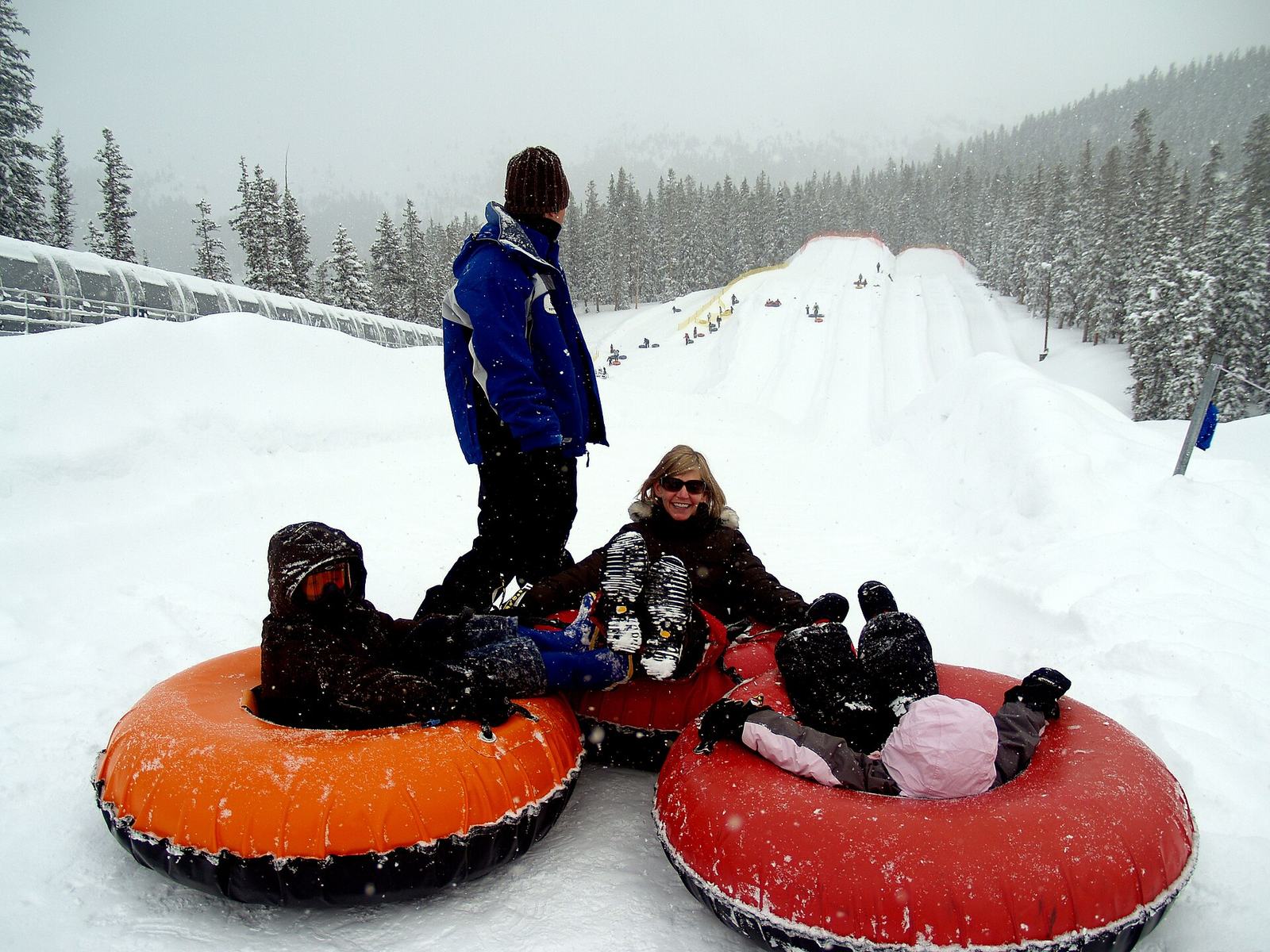
A family ski vacation is planned around one variable: the age of your youngest child. That decides the resort, the lodging, the length of the ski day and roughly half the budget. Everything else — pass, mountain, dates — follows from it. Book ski school before you book flights, stay somewhere with a kitchen, and plan half-days, because a tired six-year-old ends everybody’s afternoon.
Skiing is one of the few holidays where the whole family can genuinely do the same thing at the same time, and one of the few where it can go spectacularly wrong before lunch on day one. The difference is almost never the mountain. It is whether the trip was designed around the child who needs the most, or around the adult who wants to ski the most.
This guide takes it age by age, prices it honestly, and covers the state passport programmes that put children on snow for less than the cost of one adult lift ticket.
Plan around the youngest child
Here is the whole framework in one table. Find your youngest child’s age and the rest of the decisions follow.
| Youngest child | What the trip looks like | Key decisions |
|---|---|---|
| Under 3 | One parent skis while the other does not, or you pay for childcare | Slopeside lodging, resort day care, low expectations |
| 3–5 | Half-days in ski school, short afternoons, lots of snacks | Ski school with a small-child programme, a pool, a kitchen |
| 6–9 | Full-day ski school, and children who improve alarmingly fast | Ski school quality, a mountain with long greens |
| 10–13 | Skiing together as a family becomes genuinely fun | Terrain variety, passport programmes, tubing and night skiing |
| 14+ | Teenagers ski further and faster than you and want to do it alone | Terrain park, meeting points, phone signal, freedom |
| Mixed ages | The hardest version; plan for splitting up | Big resort, clear meeting points, two adults skiing separately |
Two rules that hold at every age.
Buy time, not luxury. Slopeside lodging is worth its premium for exactly one reason: the mid-morning trip back for a forgotten glove takes four minutes rather than an hour. That single fact is worth more to a family with small children than any amount of thread count.
Half-days beat full days until about age eight. Children get cold, hungry and tired long before they get bored, and a good morning followed by a pool is a far better memory than a full day that ended in tears at 3pm.
Which ski resorts are best for families?
Look for four things: a separated beginner area, a strong children’s ski school with small groups, non-ski activities for the afternoons, and lodging with a kitchen. In North America, Keystone, Winter Park, Northstar, Smugglers’ Notch, Bretton Woods and Deer Valley all deliver. In Europe, Austria does it better than anywhere — family-run hotels with half board, excellent ski schools and gentle valley terrain.
The resorts that consistently work:
- Keystone, Colorado. Purpose-built for families: a large separated learning area, night skiing, a tubing hill, an ice rink and children’s programmes that are genuinely good. Epic.
- Winter Park, Colorado. Gentle terrain, an outstanding ski school, the shortest drive from Denver of any major resort, and lodging that is not priced as luxury. Ikon.
- Northstar, California. The most family-oriented mountain in Tahoe, with a village built around the idea. Epic.
- Smugglers’ Notch, Vermont. Repeatedly the strongest family programme in the East, and structured around children rather than adapted for them.
- Deer Valley, Utah. Expensive, immaculate, skis-only, with excellent children’s instruction and short lift lines.
- The SkiWelt and Ski Amadé, Austria. Enormous gentle areas, half board, and ski schools that take children seriously.
And the ones to avoid with small children, all of which are excellent mountains and poor family choices: Aspen Mountain (no beginner terrain at all), Jackson Hole and Alta (severe terrain, token learning areas), and anything requiring a long mountain drive at either end of a Saturday.
Two things people over-weight when choosing: total acreage, which is irrelevant to a family skiing green runs, and resort prestige, which correlates with price rather than with how well the ski school runs. The best family ski resorts ranks them properly, and family ski resorts in Europe covers the Alpine version.
What age can children start skiing?
Most ski schools take children from age three, and many run dedicated programmes from three to six. Children under three can be introduced to snow but will not meaningfully ski, and most resorts will not put them in a lesson. The realistic answer for most families is that skiing becomes worthwhile at four or five, and genuinely fun at six or seven.
What each stage looks like:
Ages 2–3. Sledding, playing in snow, twenty minutes on skis in the garden if you are keen. Do not build a holiday around it. Resort day care exists at most large resorts and is the practical answer.
Ages 3–5. Short lessons, lots of play, magic carpets and rope tows. Progress is measured in weeks rather than days, and the goal is that they enjoy it rather than that they learn. Expect one good hour a day.
Ages 6–9. The sweet spot for learning. Children this age have the coordination, no fear and a very low centre of gravity, and they improve at a rate that is frankly demoralising for their parents.
Ages 10–13. Fast, confident and increasingly better than the adults. This is when a family can genuinely ski together all day.
Teenagers. Faster than you, keen to ski with friends rather than parents, and drawn to the terrain park. Set meeting points and let them go.
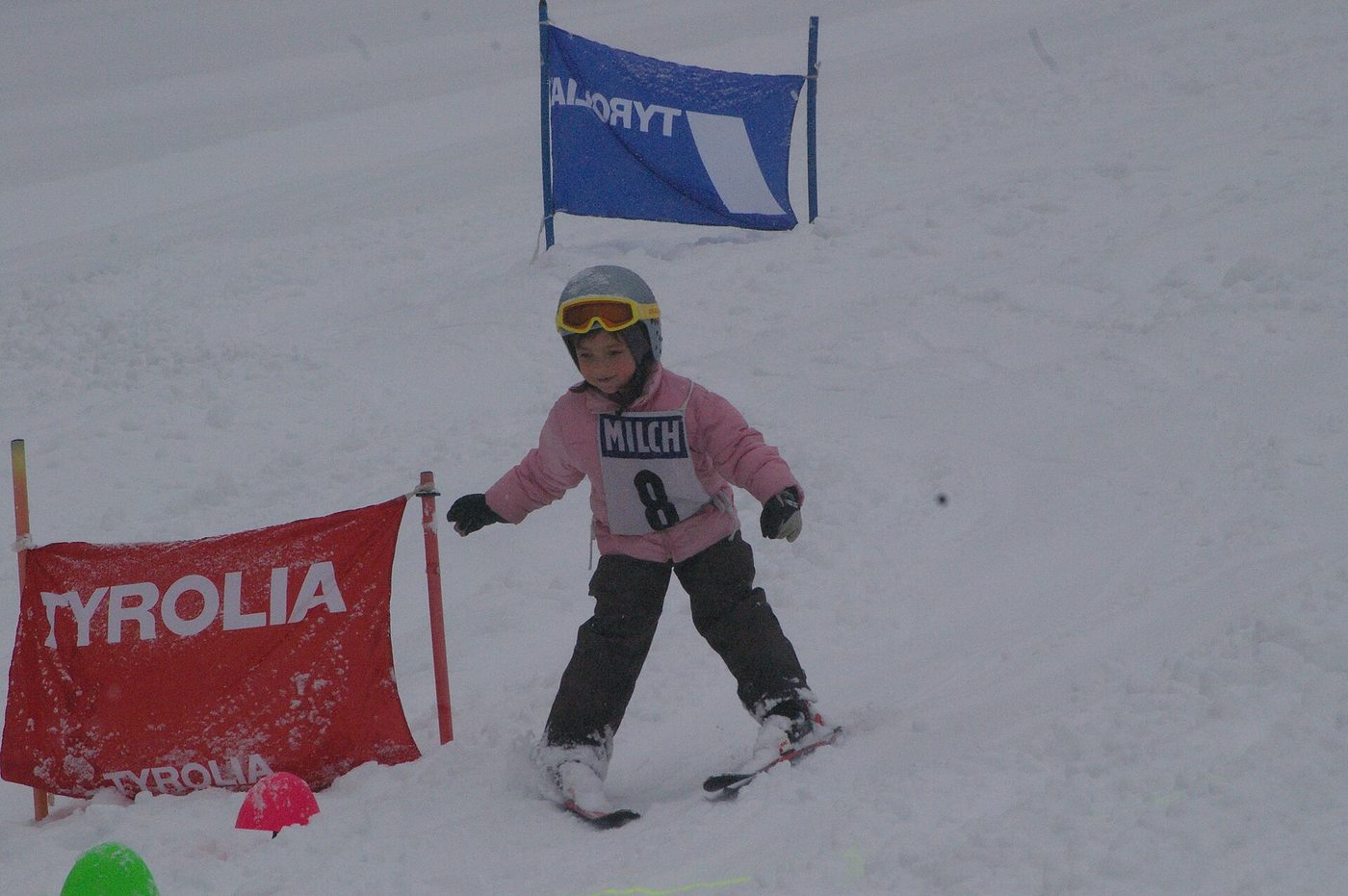
What age children can start skiing covers the developmental detail, and skiing with toddlers covers the under-threes honestly, including the option of not taking them.
Book ski school, and do not teach them yourself
Put children in ski school. Not because you cannot ski, but because teaching your own child is a different skill from skiing, and because children listen to instructors in a way they conspicuously do not listen to parents. Instructors also have games, songs, a terrain garden and the patience of people who are being paid.
The practical points:
- Book early. Children’s programmes cap enrolment and holiday weeks fill months ahead. This is the single most time-sensitive booking on a family trip.
- Full-day programmes include lunch and supervision, and typically run $150–$250 per child per day at a major resort. Half-days cost less and suit under-sixes better.
- Ask about group sizes and the instructor-to-child ratio. Four to six children per instructor is good; ten is a queue.
- Take the same programme on consecutive days. Continuity matters more than intensity, and instructors build on what they did yesterday.
- Two or three days of ski school beats one long private lesson for almost every child.
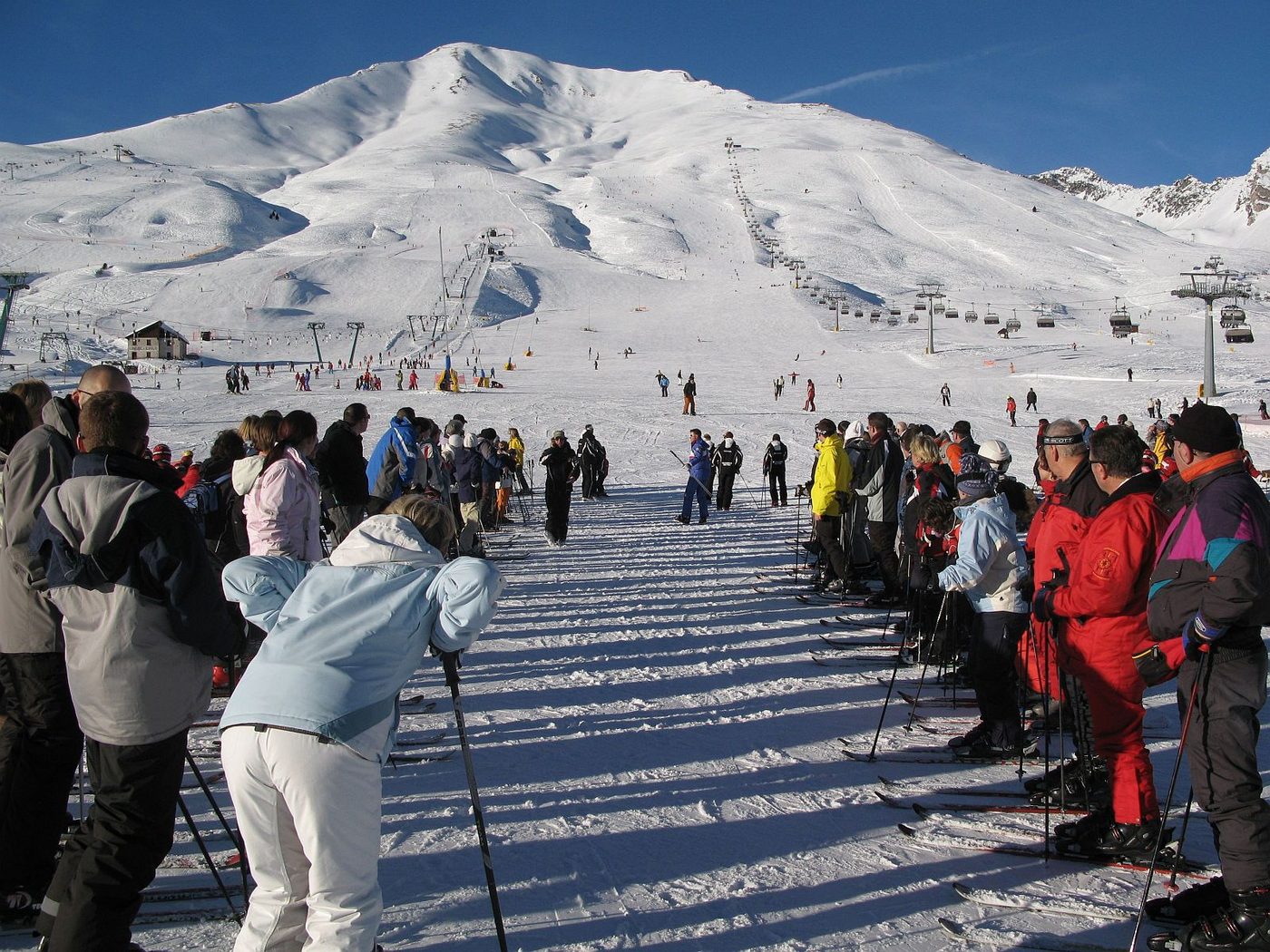
One thing worth planning for: the first morning drop-off can be difficult, particularly for three- and four-year-olds, and it is almost always fine by the second day. Ski school staff deal with this constantly and are better at it than you will be.
And a genuine piece of value: many resorts let parents ski for a discounted rate while children are in all-day programmes, or bundle a parent lesson with the child’s. Ask. It is rarely advertised. Kids’ ski school covers the formats, and teaching kids to ski covers what to do on the days when there is no lesson.
Where kids ski free: the passport programmes
The state passport programmes are the best value in American skiing and are startlingly under-used. They are not resort marketing offers; they are multi-mountain passes sold by state ski associations at nominal prices, and they are open to non-residents.
The three that matter most, all checked on 10 September 2026:
Colorado Ski Country USA Ski Passport — $76. Now covers grades K through 6, expanded from the original fifth and sixth grade programme, which is in its 30th year. It gives four days at each of 19 participating Colorado ski areas, plus two free junior rental packages from Christy Sports. Four days at nineteen mountains for $76 is not a typo.
Ski Vermont Fifth Grade Passport — $30. Three vouchers at each of 20 Vermont downhill resorts plus two dozen cross-country areas. No Vermont or US residency required. Passport holders must ski with a ticket- or pass-holding adult, and one adult can bring up to two passport bearers.
Ski Utah passport — around $69 for fourth, fifth and sixth graders, giving three days at each of 15 Utah resorts including Alta, Snowbird, Deer Valley, Park City, Snowbasin and Solitude. Prices and the purchase deadline move each autumn, so confirm the current season’s figure with Ski Utah directly before relying on it.
Also worth knowing: Epic SchoolKids runs free programmes for local children in several regions, including a Utah pack giving five days at Park City for children in kindergarten through fifth grade during the 2026/27 season. Several other states run comparable passport schemes.
The practical implication for planning: if you have a child in the right school year, the passport should decide your destination. A Colorado trip where the children ski on a $76 passport and the adults hold a pass is dramatically cheaper than the same trip booked conventionally. Kids ski free resorts and where kids ski free track the programmes as each season’s terms are published.
How much does a family ski vacation cost?
Budget $4,000–$7,000 for a family of four on a mid-range week in North America, and $2,500–$4,000 for a shorter drive-to trip. Children reduce some lines and inflate others: lift tickets and rentals are cheap or free, but ski school for two children can add $600–$1,500 to a week and is the line you cannot cut.
The family arithmetic, per week, for two adults and two children:
| Line item | Budget | Mid-range | High end |
|---|---|---|---|
| Lift access, adults | Pass, or $60–90/day advance | $90–160/day | $200+ at the window |
| Lift access, children | Often $0 on a passport | $50–90/day | $120+ |
| Ski school, 2 children, 3 days | $600–900 | $900–1,500 | $1,500+ |
| Lodging, 7 nights | $700–1,200 condo | $1,400–2,500 | $4,000+ slopeside |
| Rentals, 4 people, 6 days | $700–900 | $900–1,300 | $1,500+ |
| Food | $700–1,000 self-catered | $1,400–2,000 | $3,000+ |
| Travel | $400 driving | $1,600 flying | $3,000+ |
Where families reliably overspend: eating on the mountain (a family of four having lunch on the hill five times spends $500–$700 doing it), slopeside lodging booked for prestige rather than for the four-minute walk, and buying children’s equipment rather than using a season-long rental programme.
Where families reliably underspend and should not: ski school, and a second pair of gloves per child.
The three savings that matter most:
- Use a passport programme if a child is in the right school year. This is worth hundreds of dollars.
- Book a condo with a kitchen. Breakfast alone justifies it, and $60–$100 per person per day is a large number over a week.
- Go outside the holiday weeks. Lodging can halve.
If the family skis more than one week a year, the lift pass deserves its own half hour of arithmetic. Epic now publishes child, teen and young-adult prices well below its adult rate, Ikon takes up to $100 off every child pass bought alongside an adult one, and the cheapest answer is usually a different product for each person in the house. Our guide to the best ski pass for families runs the 2026/27 numbers.
Family ski trip cost prices it line by line, and ski trip cost covers the wider budget.
Where should a family stay?
Choose a condominium or apartment with a kitchen, and choose convenience over comfort. Slopeside lodging is worth the premium with children under about eight, because the walk to the lift is the difference between a good morning and an hour lost to a forgotten mitten. Beyond that age, a town condo with a free shuttle is better value and better fed.
The options, ranked for families specifically:
Slopeside condo with a kitchen. The gold standard for families with young children. Expensive, convenient, and the ski-in ski-out claim is worth verifying — “ski access” that requires a blue run is not access for a five-year-old.
Town condo with a shuttle. Cheaper, better restaurants, and 15–30 minutes each way. The best value for families with children over about eight. Frisco and Dillon in Colorado’s Summit County are the standing example.
Family hotel with half board, Austria-style. Breakfast and dinner included, a pool, a play room and a ski school that collects children from the door. Genuinely the most relaxing family ski format that exists, and largely absent from American skiing.
Hotel room, no kitchen. Fine for two nights, expensive and cramped for a week with children.
Three things to check that nobody thinks to ask: is there a laundry (there will be wet clothing every day), is there a boot dryer or a ski room, and is the pool actually open — resort pools close for maintenance more often than you would expect, and a family trip that was sold on a pool is a different trip without one.
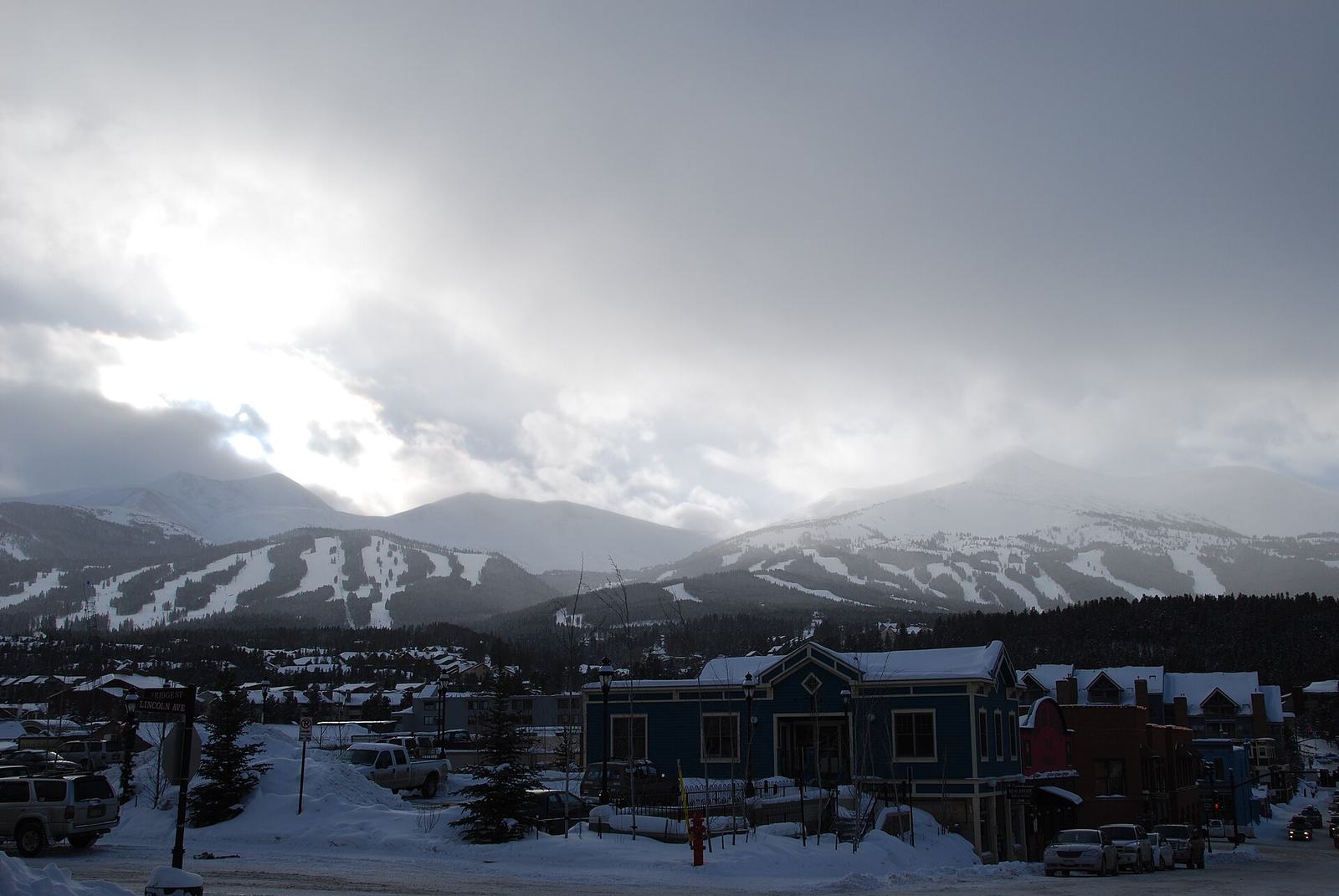
More in where to stay on a ski trip.
What to do when nobody wants to ski any more
By day three somebody will be finished with skiing, and a resort that has nothing else to offer becomes a long afternoon. This is why non-ski activities are a genuine selection criterion rather than a nice-to-have.
What actually works:
- Tubing. The most reliable hit with children of every age, requires no skill, and is available at most large resorts.
- Night skiing. Short, novel, well-lit and usually quiet. A perfect 90-minute activity after a rest.
- Swimming pools and hot tubs. More important to the success of a family ski trip than the ski school. Genuinely.
- Ice rinks and sledding hills. Free or cheap, and available in most ski towns.
- Snowshoeing. Works for grandparents and non-skiers, and requires almost no instruction.
- A day off, in town. Shops, a cinema, a long lunch. Nobody regrets a rest day on day four.
The general principle: plan one non-skiing afternoon into any trip longer than four days, and put it before anybody asks for it. A rest taken by choice on day three prevents a mutiny on day five.
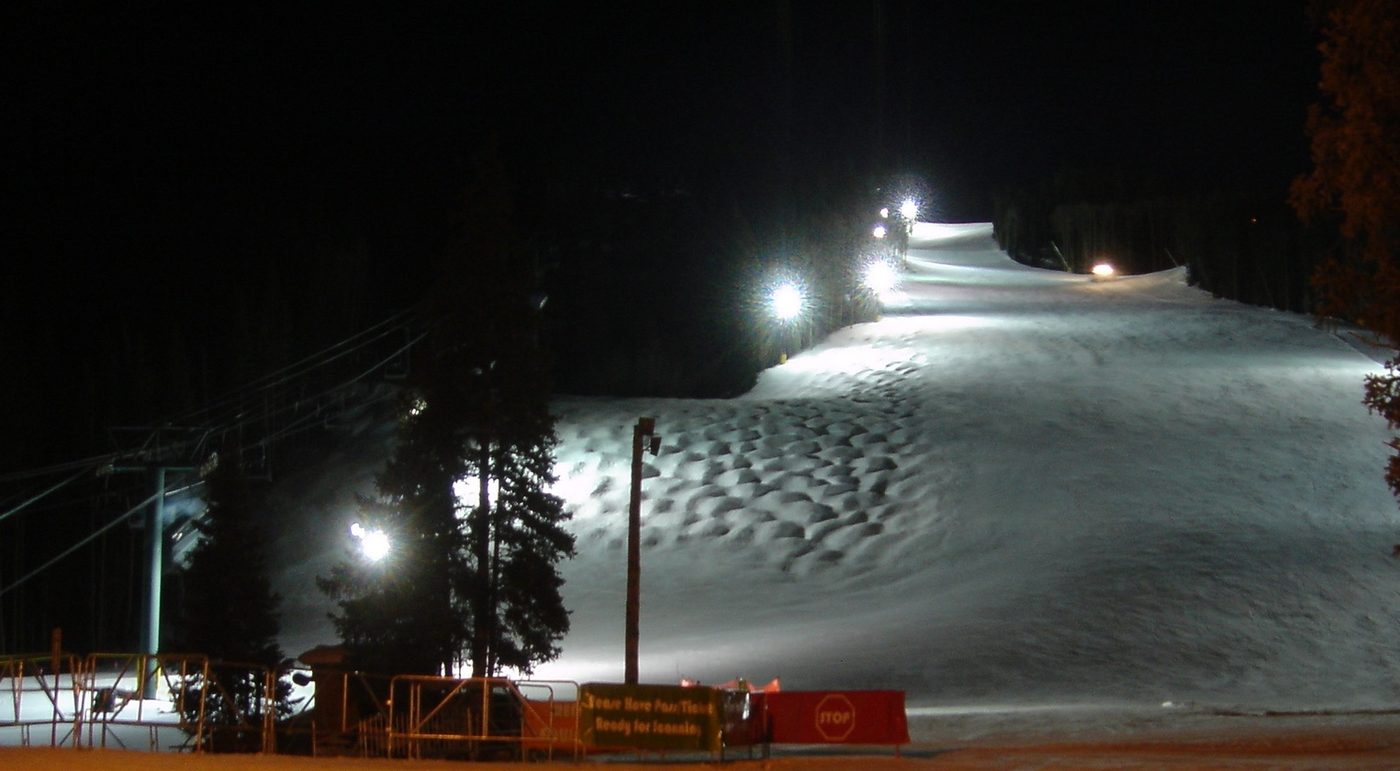
Family activities at ski resorts has the full list.
Gear and clothing for children
Rent everything except clothing, and use a season-long rental programme if you ski more than about a week a year. Children’s rental packages run roughly $25–$35 a day, multi-day rates are steeply discounted, and buying skis for a growing child is money set on fire. Helmets must fit now, not “with room to grow”.
The child-specific clothing rules:
- One-piece suits for the under-sixes. No gap at the waist, no snow down the back, and far easier to manage.
- Mittens, not gloves. Warmer, and vastly easier to get onto small hands.
- Two pairs of gloves per child. They will be soaked by lunchtime on day one.
- Thin socks, one pair. Same rule as adults, and children resist it just as hard.
- A neck gaiter, not a scarf. Scarves and chairlifts are a bad combination.
- Goggles, always. Small children on a magic carpet get snow in their faces constantly.
And the one that saves the most misery: label everything, and take spares of the small things. Gloves, gaiters, goggles and hats vanish at a rate that has to be experienced to be believed.
Season-long rental programmes are the underrated answer for anyone skiing more than a week: they let you swap sizes mid-season as the child grows, and they cost a fraction of buying. Kids’ ski gear covers sizing and the programmes, the family ski packing list covers what to bring, and what to wear skiing covers the layering system that applies to everyone.

When to go, and how long for
Go in March if you have any choice at all, and go for five or six nights rather than seven. March gives longer days, warmer temperatures and the deepest snowpack of the season, and warmth matters enormously to children, who feel cold sooner and complain about it more usefully than adults do. January is cheaper and colder; February is excellent and packed.
The family-specific timing considerations:
Warmth beats snow quality. A six-year-old on a green run cannot tell the difference between January powder and March corn, and can absolutely tell the difference between 5°F and 40°F. Adults chasing snow quality at the expense of temperature are optimising for themselves.
Daylight is a resource. Late March gives roughly two more hours of usable light than early January, which for a family doing half-days means the afternoon activity happens in daylight rather than in the dark.
School holidays are the constraint, and they are also the crush. If you are locked into Presidents’ Day week or a February half-term, book six to nine months out, accept the price, and pick a big resort that can absorb crowds. Small resorts get overwhelmed at peak far more visibly than large ones.
Five or six nights beats seven. Children run out of enthusiasm before adults run out of money. A five-night trip with four ski days and one rest day is a better holiday than seven days of trying to justify the flights.
Christmas week is the worst value in skiing and the snowpack is often still building. If the calendar forces it, book early, expect lift lines, and lean heavily on the non-ski activities.
One more piece of timing that people miss: arrive the day before you ski. A travel day with children is a whole day, and starting a ski holiday with a tired four-year-old at a rental counter at 4pm sets the tone for the week. The ski season guide covers the calendar in full, including the 2026/27 forecast.
Multigenerational and mixed-ability trips
The hardest version of a family ski trip is three generations with five ability levels, and it is also one of the best holidays available if it is planned properly. The trick is to stop trying to keep everybody together.
What works:
- A big resort with varied terrain off shared lifts. Everybody rides up together and skis down differently. This is the one situation where acreage genuinely matters.
- Fixed meeting points and times. A named restaurant at 12:30, not “we’ll text”.
- One adult designated as not skiing hard each day, on rotation. Somebody has to be available.
- Lodging with communal space. A condo with a big table beats four hotel rooms.
- Non-skiers given something real to do. Snowshoeing, a spa, a town day. A grandparent parked in a lodge for six days is not on holiday.
The two most common failure modes: planning around the strongest skier, and refusing to split up. Splitting up is not a failure of the trip; it is how a mixed group has a good week. Multigenerational ski trips covers the logistics, and skiing with teenagers covers the specific problem of people who ski faster than you and would rather not be seen with you.
The things that go wrong, and how to head them off
None of these are dramatic. All of them are the reason a family comes home saying skiing was not for them.
The equipment morning. Four people being fitted for boots at 8:30am on day one, in a queue, while the ski school starts at 9. Fix: collect rentals the previous afternoon. This is the single highest-value piece of family ski logistics and it takes forty minutes of an arrival day.
Cold hands, once. A child whose hands got painfully cold on day one will spend the rest of the week anxious about it. Fix: mittens, two pairs, and hand warmers in the pocket from day one rather than after the problem appears.
Altitude on the first evening. Colorado and Utah resorts sit high, and children show it more visibly than adults — headaches, poor sleep, a bad temper that gets misread as behaviour. Fix: water, an early night, and a short first day. If you can spend the first night lower, do.
The parent who wants to ski properly. Somebody in the group is quietly frustrated about skiing greens for four days. Fix: name it in advance and schedule it. One morning each for two adults, alternating, while the other takes the children. Resentment on a ski holiday is almost always about unspoken expectations.
Lunch. A family of four in a mountain restaurant at 12:30 in February is a forty-minute queue and $120. Fix: eat at 11:30 or 1:30, or pack lunches, or go back to the condo.
The forgotten thing. Goggles, a glove, a helmet, a lift pass. Fix: a single bag packed the night before by one adult, checked at the door.
Day four. Everybody is tired, somebody is grumpy, and the injury risk is highest. Fix: make day four the rest day, before anybody asks.
The pattern in all of it is the same: the failures are logistical rather than about skiing, they are predictable, and almost every one of them is solved the evening before rather than on the morning it happens. Ski trip mistakes covers the general version.
Frequently asked questions
What is the best age to take a child skiing?
Four or five for a first proper lesson, and six to nine for the fastest progress. Children under three will not meaningfully ski, and most ski schools will not enrol them. If you go with a toddler, plan for resort day care and for one adult skiing at a time.
How much does a family ski trip cost?
Roughly $4,000–$7,000 for a family of four on a mid-range North American week, or $2,500–$4,000 for a shorter drive-to trip. Ski school is the biggest family-specific line at $150–$250 per child per day, and state passport programmes can make children’s lift access nearly free.
Where can kids ski free?
Several US states run passport programmes. Colorado Ski Country’s Ski Passport costs $76 for grades K–6 and gives four days at each of 19 areas; Ski Vermont’s Fifth Grade Passport costs $30 for three days at each of 20 resorts; Ski Utah runs a fourth-to-sixth-grade passport at around $69 for three days at 15 resorts. None require state residency.
Should I put my child in ski school or teach them myself?
Ski school, almost always. Instructors have the games, the terrain garden and the patience, and children listen to them in a way they do not listen to parents. Two or three consecutive days beats one long private lesson for most children.
What should children wear skiing?
A one-piece suit for under-sixes, or waterproof jacket and trousers for older children, over a synthetic or merino base layer and a fleece. Mittens rather than gloves, two pairs of them, thin ski socks, a neck gaiter, goggles and a properly fitted helmet. Never cotton.
How long should a family ski day be?
Half-days until about age eight, with a pool or a rest in the afternoon. Full-day ski school works well from around six or seven because it is structured and includes lunch. Build one completely non-skiing day into any trip longer than four days.
Are European ski resorts better for families than American ones?
For many families, yes. Austrian and Swiss family hotels with half board, childcare and ski schools that collect children from the door are a format that barely exists in North America, and European lift passes cost a fraction of American ones. The trade is a long flight and a transfer.
The bottom line
A family ski vacation succeeds or fails on planning that has nothing to do with the skiing. Book ski school before you book anything else. Get a kitchen. Plan half-days. Put a pool or a tubing hill in the plan and use it before anybody asks. And if you have a child in the right school year, let the passport programme choose your state.
The single most useful reframe: you are not going skiing with children, you are taking children somewhere that happens to have skiing. Families who plan it that way come home wanting to go again. Families who plan it as an adult ski trip with children attached usually do not.
From here: the best family ski resorts for the ranked list, kids’ ski school for the booking, family ski trip cost for the budget, and how to plan a ski trip for the overall sequence. If a child in your group has never skied, start at skiing for beginners. For destinations, Colorado skiing has the deepest set of family options in the US and skiing in Europe covers the Alpine alternative.
Passport programme prices and terms checked 10 September 2026 for the 2026/27 season against the state ski associations’ own pages. Programme terms and deadlines change every autumn — confirm before purchase.
Moving a family’s worth of gear through two airports is its own problem, and it has real solutions: a ski bag and boot bag count as one checked item on most US carriers, door-to-door shipping starts around $23 a bag one way, and boots belong in the cabin. Our guide to ski travel logistics works through the whole chain from check-in desk to base area.
Teenagers in particular often want to snowboard rather than ski, and that is worth planning around rather than resisting: most ski schools start children on boards somewhere around five to seven, a separate lesson track is standard, and a couple of resorts — Alta and Deer Valley in Utah among them — do not allow snowboarding at all. Our guide to snowboarding for beginners covers gear, lessons and the first-three-days curve.
Sources
- Colorado Ski Country USA — Kids Ski Passport, grades K–6, 2026/27, checked 10 September 2026
- Colorado Ski Country USA — Ski Passport terms and conditions, checked 10 September 2026
- Ski Vermont — Fifth Grade Passport, checked 10 September 2026
- Ski Vermont — kids’ deals and family programmes, checked 10 September 2026
- Epic Pass — Epic SchoolKids Utah Pack, 2026/27, checked 10 September 2026
- Ikon Pass — family and child pass pricing, checked 10 September 2026
- National Ski Areas Association — Your Responsibility Code and slope safety
Ski school, rental and lodging price ranges are compiled from operator-published rates across multiple resorts and are directional rather than quotes. Ski Utah’s passport price and deadline move each autumn and should be confirmed with the association directly.
Image credits
| Image | Photographer | Licence | Source |
|---|---|---|---|
| Family snow tubing at Keystone (featured image) | David Shankbone | CC BY 3.0 | Commons |
| Child on a ski school race course | Werner100359 | CC BY 3.0 | Commons |
| Breckenridge, Colorado | Jasen Miller | CC BY 2.0 | Commons |
| Night skiing and lift gate | Unknown author | CC BY 2.0 | Commons |
| Park City First Time lift | InSapphoWeTrust | CC BY-SA 2.0 | Commons.jpg) |
| Ski school at Passo Tonale | Zoran Kurelić Rabko | CC BY-SA 3.0 | Commons |