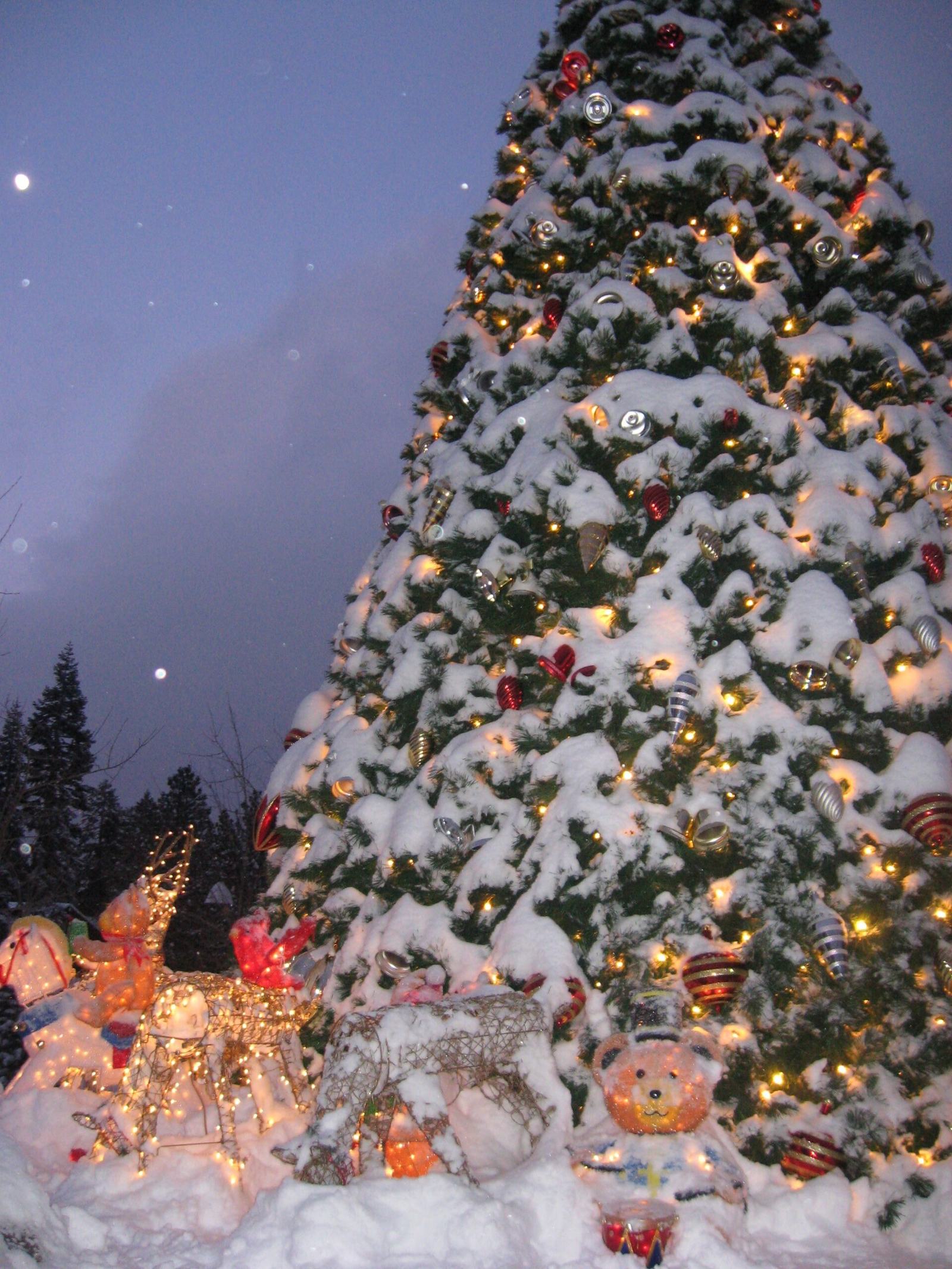
Apres ski is everything that happens after the lifts stop turning — the drink on the sun deck at 3:30pm, the live band at the base-area bar, the hot tub, the long dinner, and in the Alps, dancing on tables in ski boots. For many people it is half the point of a ski trip. It is also where a ski budget quietly leaks, and the part of the day most likely to end with somebody hurt.
That is not meant as a warning so much as a framing. Après-ski is genuinely one of the great pleasures of a ski holiday, and the best of it — a sunny terrace, cold legs and good company — costs almost nothing. The worst of it is a $30 cocktail, a ski down in the dark, and a headache at 9,000 feet the next morning.
This guide covers what après-ski actually is, how it differs between American resorts, the Alps and Japan, the bars and places genuinely worth knowing, the off-slope activities that matter when half your group does not ski, and the practical side — cost, safety, altitude and what to wear. It is honest about what is worth doing and what is a tourist trap.
What is apres ski?
Apres ski — from the French for “after skiing” — is the social part of a ski day that starts when the lifts close: drinks on a sun deck, live music at a base-area bar, a soak in a hot tub or hot spring, and dinner. It can be as rowdy or as quiet as you like.
The tradition is usually traced to the Alps and Scandinavia in the early twentieth century, when skiing was an all-day expedition and the hut at the bottom was the only warm place for miles. The name is French; the culture spread everywhere skiing went.
Today it means very different things in different places:
- In a Colorado or Utah ski town, it usually means a base-area bar or a town saloon between about 3pm and 6pm, followed by dinner.
- In the Austrian and French Alps, it can mean an on-mountain party bar with a DJ, a sun terrace and several hundred people in ski boots, before skiing down to the village.
- In Japan, it is more likely to mean an onsen — a hot spring bath — followed by ramen and a quiet beer.
- For families, it means hot chocolate, tubing, a pool and an early night.
None of these is the “real” après-ski. The right version is the one that suits your group, and the most satisfying trips often mix them. Our what is apres ski guide goes further into the history and etiquette.
How is après-ski different in America, Europe and Japan?
The single biggest difference is where it happens. In North America, après is mostly at the bottom of the mountain. In the Alps, some of the most famous après bars are on the mountain, which means the party ends with a ski run.
| North America | The Alps | Japan | |
|---|---|---|---|
| Where | Base-area bars, town saloons, hotel lounges | On-mountain huts and party bars, then the village | Onsen, izakaya, hotel bars |
| When | Roughly 3pm–6pm, then dinner | From lunchtime on the terraces, peaking around 3pm–6pm | Evening, after the onsen |
| Atmosphere | Relaxed to lively, live music common | Loud, dancing, table-top boots at the famous ones | Quiet, restorative, food-led |
| Getting home | Walk or shuttle from the base | Often a ski run, sometimes in fading light | Walk |
| Cost | High at slopeside bars, lower in town | Varies widely; mountain huts are pricier than the village | Low by comparison |
| Best for | Couples, groups, families | Groups who want a party | Anyone who likes a hot bath and good food |
The honest verdict: if après-ski as a party is a big part of why you are going, the Alps do it better than anywhere in North America — St Anton and Val Thorens in particular. If you want a relaxed drink and a good dinner, the American ski towns are excellent. If you want the most restorative evening, nothing beats a Japanese onsen after a powder day.
Where is the best apres ski in the US?
The strongest American après scenes are in the real ski towns rather than the purpose-built villages: Jackson, Aspen, Park City, Telluride, Steamboat, Breckenridge and Vail. The best bars share three things: a location you can reach in ski boots, live music, and a crowd that includes locals as well as visitors.
Two places that have been doing it for generations, both verified as operating for 2026/27:
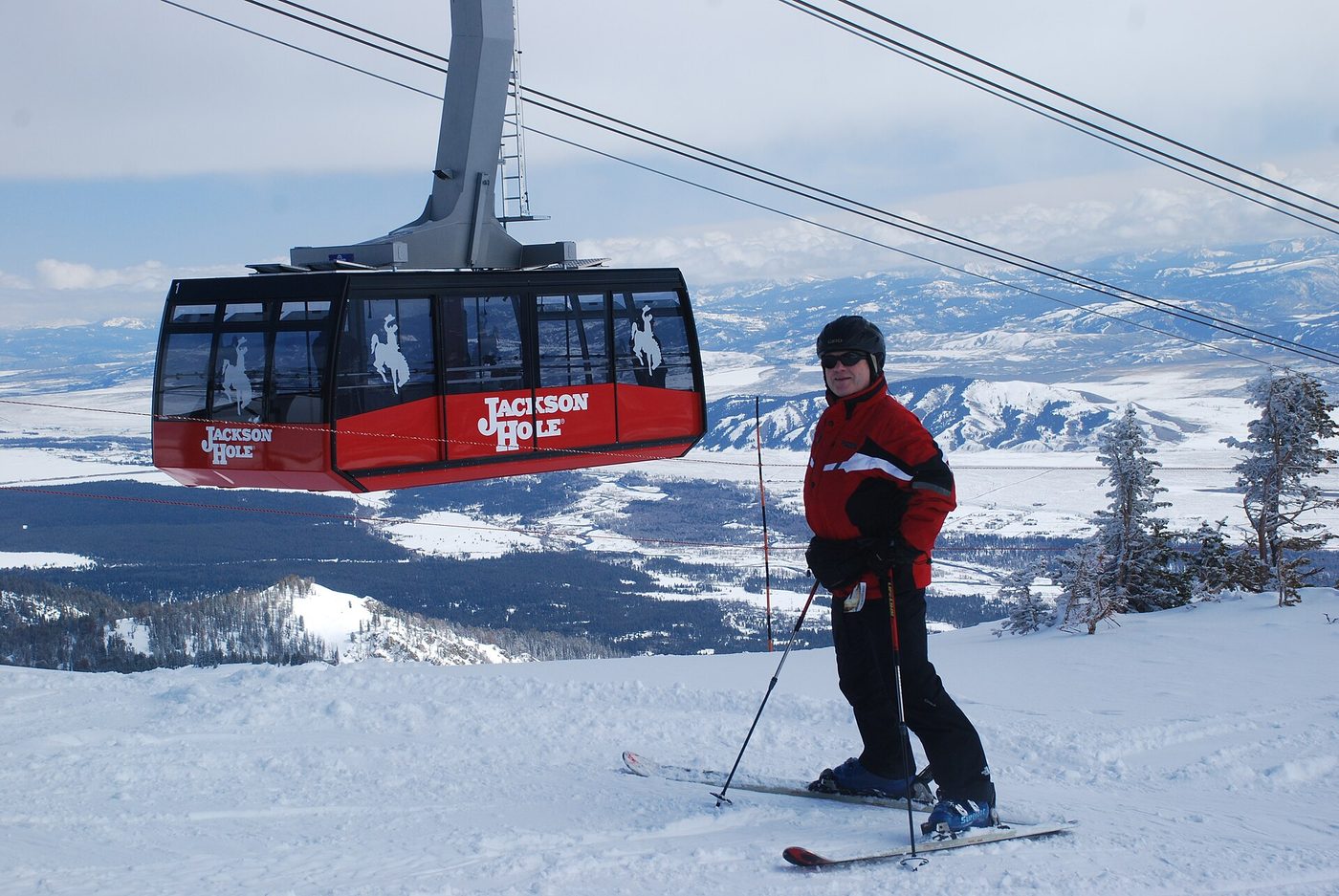
The Mangy Moose, Teton Village, Wyoming. A Jackson Hole institution since 1967, directly at the base of the tram. Slopeside, loud, a genuine mix of locals and visitors, and live music on a regular schedule. If you ski Jackson Hole, you will end up here at least once, and you should.
The Million Dollar Cowboy Bar, Jackson, Wyoming. On the town square since 1937, with saddles instead of barstools, live country music and dancing. It is not at the ski area — it is a fifteen-minute drive into town — but it is the kind of place that makes a trip memorable, and it is genuinely a local bar rather than a theme park version of one.
What makes a good American après bar, if you are choosing somewhere unfamiliar:
- You can walk in wearing ski boots, and there is somewhere to put your skis.
- There is a sun deck facing the last runs of the day — watching people ski down is half the entertainment.
- There is a happy hour. Most slopeside bars run one, and it is the single biggest saving in après-ski.
- Locals drink there. A bar full of ski patrol and lift operators at 4pm is a good sign.
Where the scene is quieter: purpose-built base villages like Northstar and Beaver Creek do polished, family-friendly après and go quiet early. Utah’s Cottonwood Canyon resorts — Alta, Snowbird, Solitude, Brighton — are mountains first and party venues nowhere; Park City’s Main Street is where Utah’s après lives. See Utah ski resorts for how the state splits. And the East Coast has a strong, unpretentious bar culture at Killington, Sugarbush and Stowe — our east coast ski resorts guide covers it.
The best apres ski bars in the USA goes resort by resort.
What is European après-ski like?
Louder, earlier and higher up. The Alpine après tradition is built around on-mountain bars with sun terraces, DJs and a crowd that starts dancing — frequently on the tables, in ski boots — by mid-afternoon. It is a different thing entirely from a Colorado base-area bar, and the famous venues are genuine attractions in their own right.
St Anton, Austria, is the reference point. Two bars define it:
- The MooserWirt, a slopeside hut above the village that fills up fast on sunny afternoons, with table-dancing in ski boots as the house style.
- The Krazy Kanguruh, St Anton’s oldest après-ski bar, owned since 2009 by the Austrian slalom champion Mario Matt and completely rebuilt in 2025 with a large glass roof. The terrace opens from 10am, and the DJ runs the afternoon party until 8pm.
Val Thorens, France — at 7,545 feet the highest ski village in Europe — is home to La Folie Douce, where live performers, DJs and musicians run a high-altitude terrace party with music ranging from house to funk and rock. The Folie Douce format has spread to several French resorts, but the Val Thorens original is the one people travel for.
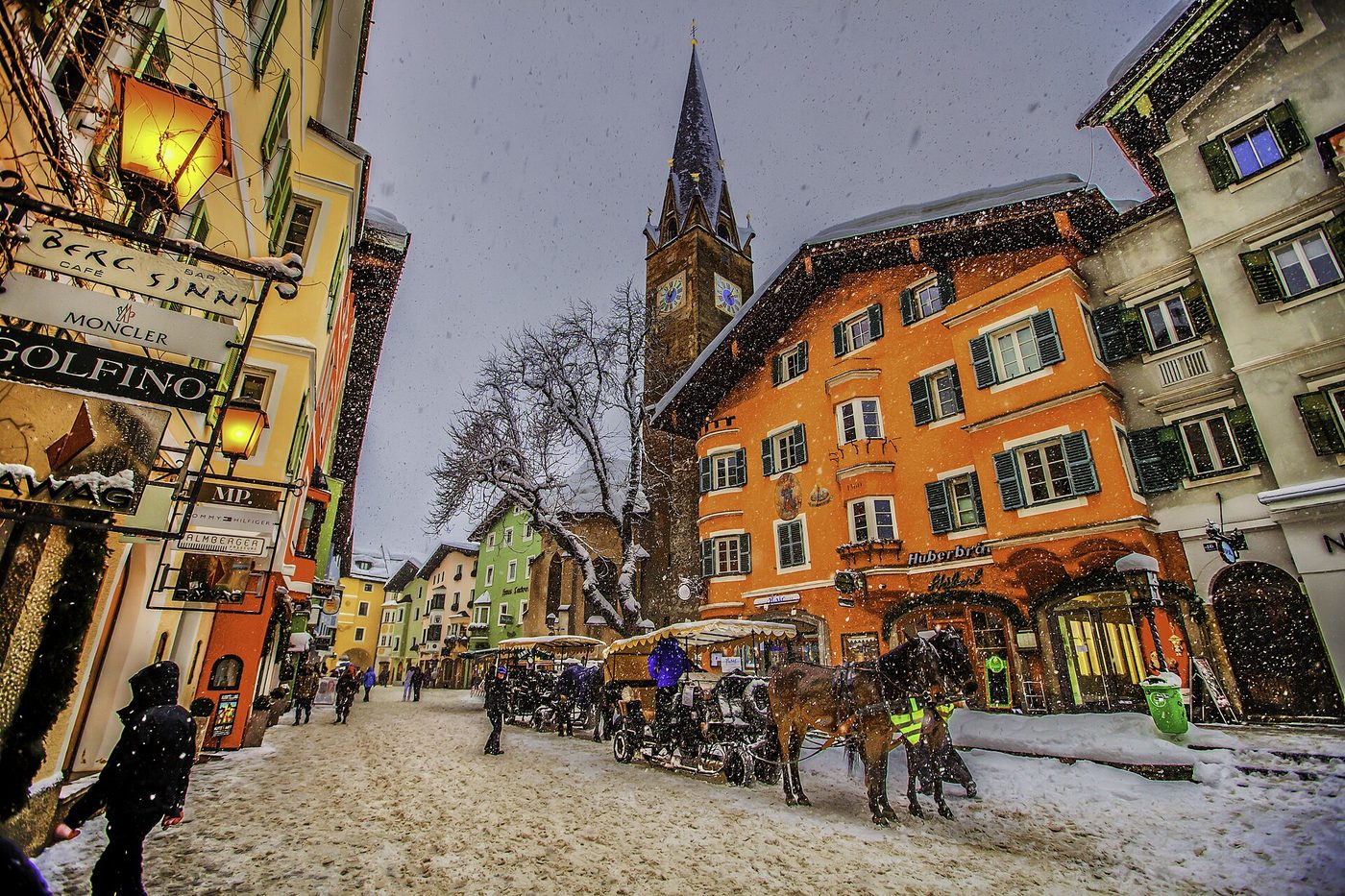
Kitzbühel, Austria, has a different flavour: a medieval walled town, historic bars and restaurants, and a scene that leans more toward long dinners and late nights in town than terrace dancing on the hill.
The thing Americans need to know: at many Alpine resorts, the famous après bars are on the piste, which means you ski home afterwards — sometimes in fading light, on runs that are busy with other people who have also been drinking. That is the single most dangerous part of European après-ski, and it is covered in the next section. It is also worth remembering that off-piste terrain in Europe is not avalanche-controlled, only the marked piste — so the short cut home is never a short cut.
Our skiing in Europe guide covers the wider picture, and the best apres ski in Europe takes the resorts one by one.
Is it safe to ski after apres ski?
No, not if you have been drinking. Alcohol slows reaction times, impairs balance and judgement, and increases fatigue — all of which matter more on skis than almost anywhere else. The skier responsibility codes posted at US resorts tell you not to use lifts or terrain while impaired, and ski patrols can and do remove people from the mountain.
The practical rules that keep après-ski fun:
- Make it the last thing you do, not the middle of the day. Ski first, drink afterwards, and do not go back up.
- In the Alps, plan the way down before the first drink. Many resorts run a gondola or cable car down to the village until early evening. Take it, or walk if there is a path. Skiing down a busy piste at dusk after three beers is how après-ski ends in the medical centre.
- Drink water between drinks. You have been exercising all day, often at altitude, and you are more dehydrated than you feel.
- Be aware of altitude. Alcohol tends to hit harder at elevation and makes sleep worse. The CDC notes altitude illness risk begins above about 8,000 feet, and plenty of American ski towns sleep higher than that. Go easy on the first night — our guide to how to get better at skiing covers altitude in more detail.
- Keep your ski boots unbuckled and walk carefully. Ski boots on icy steps and sticky bar floors cause more sprained ankles than you would expect.
What can you do at a ski resort if you don’t ski?
Quite a lot, at most major resorts. Hot springs and spas, snowshoeing, snow tubing, snowmobiling, sleigh rides, ice skating, dog sledding, fat biking and gondola sightseeing rides are all common, and real ski towns add shops, galleries and restaurants. Non-skiers usually have the best time in a genuine town rather than a purpose-built base village.
A quick guide to what is actually worth doing:
| Activity | Who it suits | Honest verdict |
|---|---|---|
| Hot springs | Everyone, especially after skiing | The best off-slope activity there is, where available |
| Snowshoeing | Walkers, families, non-skiers | Cheapest winter activity, genuinely beautiful |
| Snow tubing | Families with children | Great fun for an hour; book on holiday afternoons |
| Snowmobiling | Groups, thrill-seekers | Worth it once for the scenery; expensive and loud |
| Sleigh-ride dinner | Couples, families | A classic; quality varies a lot, read reviews |
| Ice skating | Families, evenings | Often free or cheap in ski towns |
| Gondola sightseeing | Non-skiers, grandparents | Lets non-skiers see the mountain and meet skiers for lunch |
| Spa | Tired skiers, non-skiers | Expensive at resort hotels; day passes are the better deal |
The most useful tip for a mixed group: at many resorts, non-skiers can buy a foot-passenger ticket for the gondola and meet the skiers for lunch at the top. It means the whole group eats together, and non-skiers get the view. Telluride goes further — its gondola between the town and Mountain Village is free public transport.

What to do at a ski resort if you don’t ski is the full guide, and family ski vacations covers how to plan a trip around mixed abilities.
Which ski resorts have hot springs nearby?
Several of the best, and a soak after a ski day is the most restorative après there is. Colorado is especially well served:
| Hot spring | Near | What it is | Listed price, September 2026 |
|---|---|---|---|
| Glenwood Hot Springs | Aspen, on the way to I-70 | Billed as the world’s largest hot springs pool | Day pass from about $38; up to about $55 on holiday weekends |
| Strawberry Park Hot Springs | Steamboat, about 7 miles north | Stone-walled natural pools in a forest | Around $20–25; reported as cash only |
| The Springs Resort | Pagosa Springs, nearest town to Wolf Creek | 25 mineral pools terraced down to the San Juan River | Timed-entry day passes around $79 |
Prices as listed in September 2026 for the 2026/27 season; they vary by date and entry time, and several require advance booking in winter. Confirm directly with each operator before you go.
Strawberry Park is the atmospheric choice — pools in the trees, snow on the rocks, steam in the cold. The road up can be difficult in winter, and many visitors take a shuttle. Glenwood is the big, family-friendly option, a proper outdoor pool on a grand scale. Pagosa is the one to combine with Wolf Creek, which gets the most snow in Colorado.
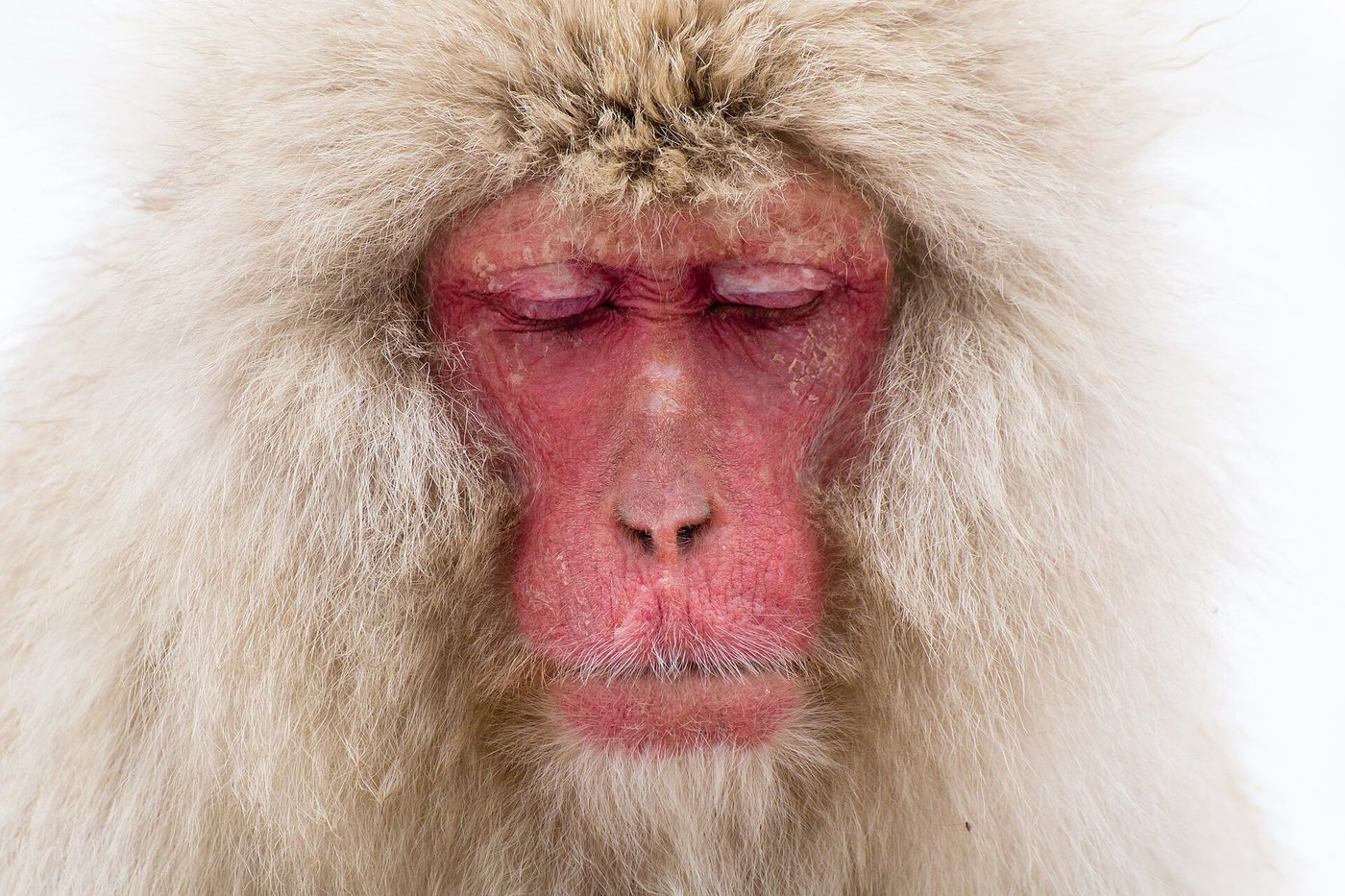
Outside Colorado, the tradition is strongest in Japan, where the onsen is simply part of the ski day — many ski towns have public bathhouses, and some, like Nozawa Onsen, have a dozen or so free ones. The etiquette matters: wash thoroughly before you get in, never put your towel in the water, and no swimsuits. Our skiing in Japan guide covers it.
Hot springs near ski resorts covers more options across the West.
Snow tubing, snowshoeing and snowmobiling
The three off-slope activities most resorts offer, and they suit very different people.
Snow tubing
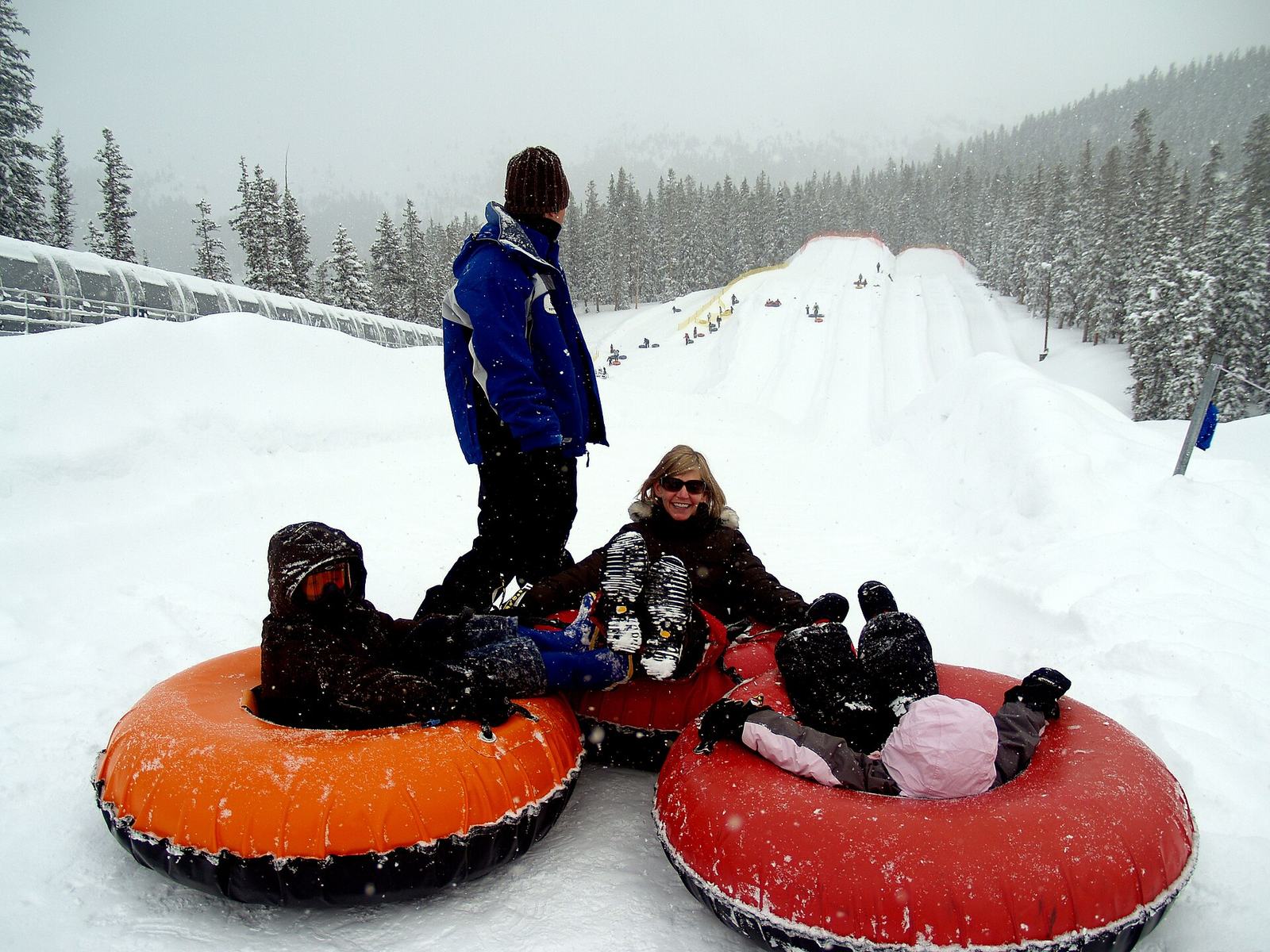
Sliding down a groomed lane on an inflatable tube, usually with a surface lift or conveyor to take you back up. It needs no skill, children adore it, and it is one of the few activities that grandparents, toddlers and teenagers all enjoy equally. Most major resorts run a tubing hill, often lit in the evening.
The practical point: tubing is sold in timed sessions, and holiday afternoons sell out. Book when you book lift tickets. Snow tubing resorts lists the best of them.
Snowshoeing
The cheapest winter activity there is, and one of the most beautiful. Snowshoes are easy to rent in any ski town, and most resorts and many national forest areas nearby have marked snowshoe trails. It is also genuinely good exercise and a way to see the mountains in silence.
The one caution: stay on marked trails. Snowshoeing onto an open slope in avalanche terrain is a real risk, and it catches people who would never consider themselves backcountry travellers. Snowshoeing for beginners covers gear and routes.
Snowmobiling
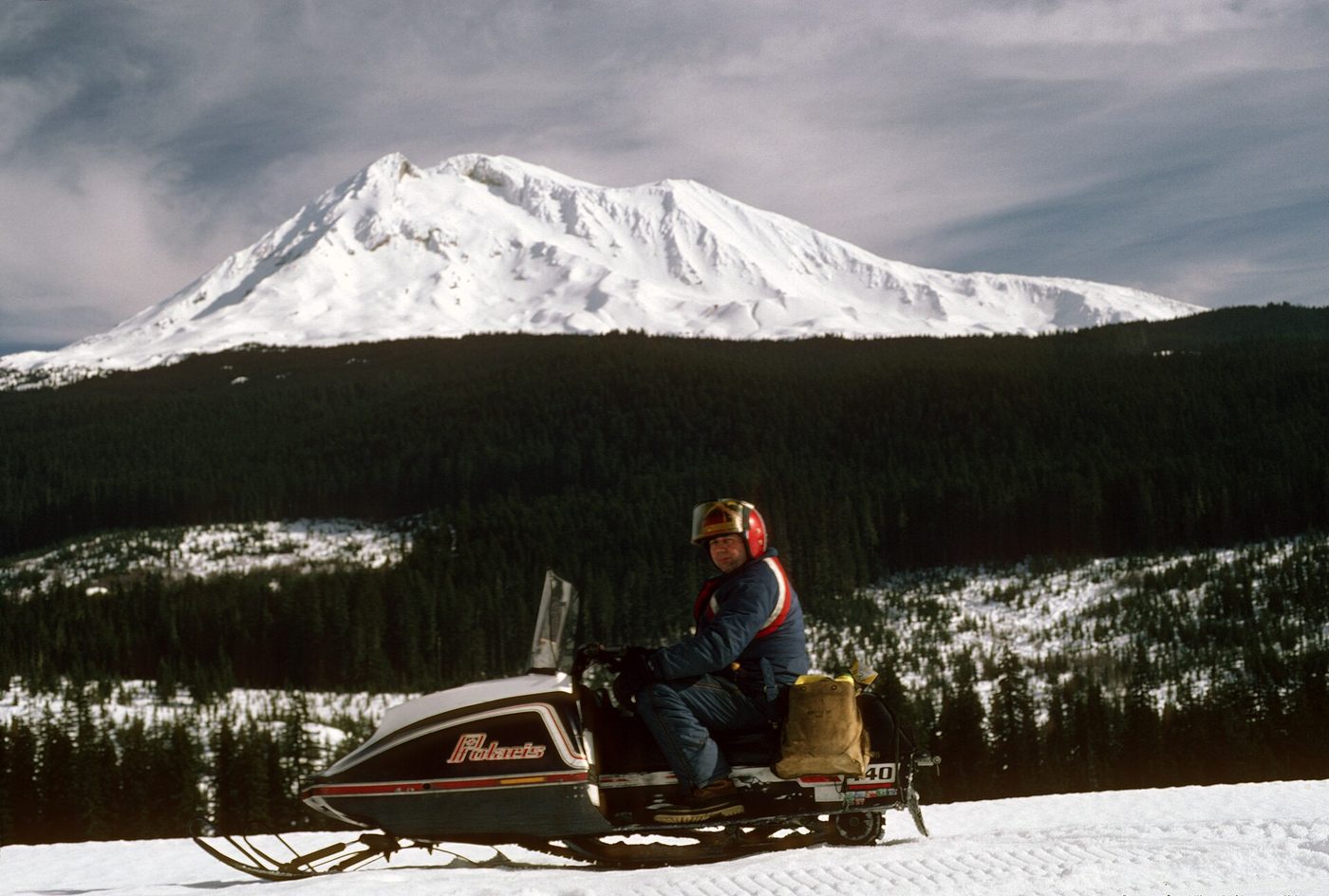
Guided snowmobile tours run from most Western ski towns, typically into national forest land behind the resort. It is fast, loud and genuinely thrilling, and it reaches scenery you cannot see from a chairlift.
The honest verdict: worth doing once, particularly for a group that includes non-skiers who want an adventure. It is expensive per hour compared with almost anything else on this list, it is cold at speed, and you will want the full-face helmet and warm gear the outfitter provides. Snowmobiling at ski resorts covers where to go and what to ask.
Ski town restaurants and nightlife
Dinner is the part of après-ski most people remember, and it is the part most likely to go wrong through lack of planning.
Book dinner early. In peak weeks — Christmas, New Year, Presidents’ week and spring break — the good restaurants in ski towns are fully booked weeks in advance. Reserve your important dinners when you book your lodging, not when you arrive.
On-mountain dinners are a genuine highlight. Sleigh-ride dinners to a backcountry cabin, snowcat dinners at a mountain-top lodge, and gondola-access restaurants are offered at many major resorts. They are expensive and they are often the best evening of the trip.
Self-catering is not a compromise. A condo kitchen and a good local grocery store make for excellent dinners and save a great deal — our ski in ski out lodging guide covers why a kitchen is one of the best-value features you can book.
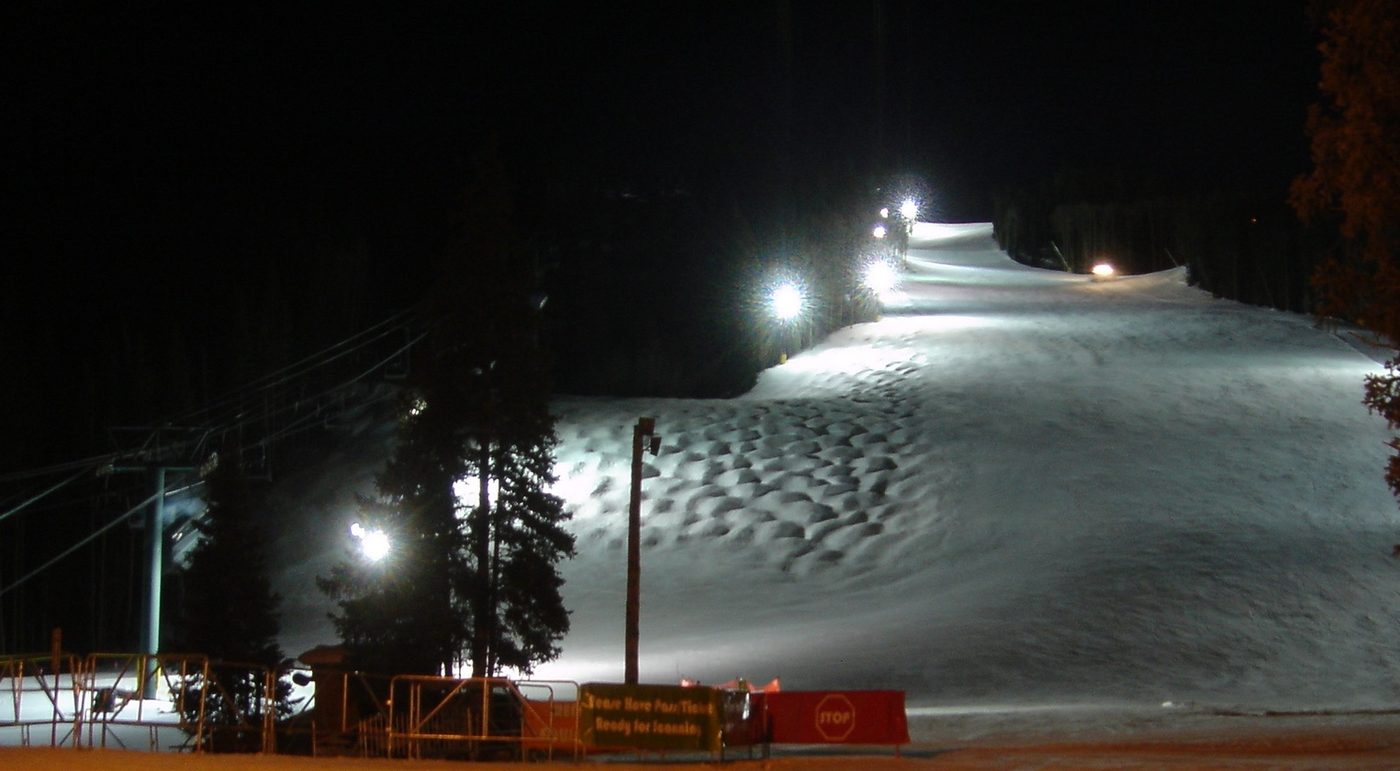
Nightlife is quieter than people expect. Most American ski towns are quiet by 10pm, because most people in them have been skiing since 8:30am. The exceptions — Jackson, Aspen, Park City’s Main Street, Breckenridge, Whistler Village and the big Alpine party resorts — are genuinely lively, but if you want a big night out every night, choose the destination accordingly.
Ski town restaurants and ski resort nightlife go deeper, and the best ski towns ranks the towns themselves.
What does apres ski cost?
As much or as little as you let it. A drink at a slopeside bar at a marquee resort routinely costs more than the same drink in a big city, and a group can spend more on après and dinner in a week than on lift tickets. A happy hour, a condo kitchen and a hot tub can cut that to almost nothing.
Where the money goes, and how to keep it:
| Where you spend | The expensive version | The sensible version |
|---|---|---|
| Afternoon drinks | Slopeside bar at full price | The same bar during happy hour, or a town bar |
| Snacks | On-mountain lodge food | Brought from the condo |
| Dinner | Resort-hotel restaurant every night | Two booked dinners out, the rest self-catered |
| Hot water | Resort spa day | Public hot springs, or the condo hot tub |
| Activities | Every tour, every night | One big one — a sleigh dinner or snowmobile tour |
Prices at resort bars and restaurants vary widely and change with the season; we do not publish specific drink prices because they are stale within weeks. Budget for resort-town pricing to be well above what you pay at home.
Two specific savings worth knowing about:
- Epic Mountain Rewards. Epic season-pass holders get 20% off food, lodging and group lessons at Vail Resorts properties, as of 10 September 2026. On a week of on-mountain lunches and après for a family, that adds up. Our ski pass guide covers the other pass perks.
- Happy hour. Almost every slopeside bar runs one in the last hour or two of the ski day. Arrive during it rather than after it.
Full trip budgeting, including food and drink, is in our ski trip cost guide.
Après-ski with children
Families do après-ski too — it just looks different. Hot chocolate on the deck while the last runs come down, an hour of tubing or ice skating, a swim in the hotel pool, s’mores around a fire pit, and dinner at 5:30pm before everybody collapses.
A few things that make it work:
- Choose a base with things to do. A pedestrian village with a rink and fire pits — Northstar, Keystone, Snowmass, Whistler — makes après easy with children.
- Book tubing and skating in advance on holiday weeks.
- Many resort bars welcome children until early evening. Check before you go in, especially in states with strict licensing rules.
- Plan the hot tub. It is the thing children will remember, and it is free if your lodging has one.
Our family ski vacations guide covers the whole trip with children.
What should you wear to apres ski?
Your ski clothes are fine for almost any base-area bar in North America or on-mountain bar in the Alps. Unbuckle your boots, take your helmet off, and bring a warm hat. For dinner in town, change — and bring a pair of shoes with grip, because ski-town pavements are icy and ski boots are treacherous off the snow.
A few practical points:
- Ski boots are acceptable at slopeside bars everywhere. At the famous Alpine party bars they are practically compulsory.
- Most towns have ski and boot lockers near the base, which means you can change into shoes and drop your gear before going out.
- Layers matter. Bars are hot; sun decks in late afternoon get cold quickly when the sun drops.
- Dry your boots and gloves overnight. Boot dryers are the single best piece of after-ski kit ever invented.
What to wear skiing covers layering for the whole day.
Six mistakes people make with après-ski
1. Skiing after drinking. The one that actually matters. Take the lift down, walk, or stay put.
2. Not booking dinner. In peak weeks the good restaurants are full weeks in advance.
3. Arriving after happy hour. The same bar, the same drink, significantly more money.
4. Ignoring altitude. The first night at 9,000 feet is not the night for a big session.
5. Forgetting the non-skiers. If half the group has been at the spa all day, après is their chance to join in — pick somewhere that works for everyone.
6. Choosing a quiet resort for a party trip, or the reverse. St Anton and Alta are both excellent. They are not interchangeable.
Frequently asked questions
What does apres ski mean?
It is French for “after skiing” and describes the social activity that follows a ski day — drinks, music, food, hot tubs and hot springs. It usually starts when the lifts close, around 3pm to 4pm, and runs into the evening. The style varies from quiet and restorative to loud and dance-heavy, depending on the resort and the country.
What time does apres ski start?
In North America, typically around 3pm to 4pm as the lifts close. In the Alps it can start much earlier — some famous terrace bars open in the morning and are busy by lunchtime, with the party peaking in the late afternoon. The Krazy Kanguruh in St Anton, for example, opens its terrace from 10am and runs its DJ until 8pm.
Where is the best apres ski in the world?
St Anton in Austria and Val Thorens in France are the two most famous party après destinations, with on-mountain bars such as the MooserWirt, the Krazy Kanguruh and La Folie Douce. In North America, Jackson, Aspen, Park City, Whistler and Breckenridge have the liveliest scenes. For the most relaxing version, a Japanese onsen after a powder day is hard to beat.
Is it safe to ski after apres ski?
Not if you have been drinking. Alcohol impairs balance, judgement and reaction time, and US resort responsibility codes tell skiers not to use lifts or terrain while impaired. In the Alps, where many bars are on the mountain, take the gondola down or walk. Altitude makes alcohol’s effects stronger, especially on the first night.
What can non-skiers do at a ski resort?
Hot springs and spas, snowshoeing, snow tubing, snowmobile tours, sleigh rides, ice skating, dog sledding and gondola sightseeing are available at most major resorts. Real ski towns add restaurants, shops and galleries. A gondola foot-passenger ticket lets non-skiers meet skiers for lunch at the top of the mountain.
Do you wear ski boots to apres ski?
Yes, at base-area bars and on-mountain bars — it is completely normal and at the famous Alpine party bars practically expected. Unbuckle them, and take care on steps. For dinner in town, change into shoes with good grip, since icy pavements and ski boots are a poor combination.
Which ski resorts have hot springs?
In Colorado, Glenwood Hot Springs sits on the road between Aspen and I-70, Strawberry Park Hot Springs is about seven miles north of Steamboat, and The Springs Resort at Pagosa Springs is the nearest town to Wolf Creek. In Japan, many ski towns have public onsen, and Nozawa Onsen has a dozen or so free public bathhouses.
How can I save money on apres ski?
Go during happy hour, drink in town rather than at the slopeside bar, bring snacks from your condo, cook most dinners and book one or two good meals out, and use public hot springs rather than a resort spa. Epic season-pass holders get 20% off food at Vail Resorts properties through Epic Mountain Rewards.
The bottom line
Apres ski is the part of a ski trip that turns a sport into a holiday. The best of it is simple and cheap — a sunny deck, a happy-hour drink, a hot spring, a good dinner. The worst of it is expensive, and occasionally dangerous.
So choose the version that suits your group. Party après means the Alps, or Jackson, Aspen and Park City. Quiet après means a hot spring, a condo kitchen and an early night. Family après means tubing, skating and a pool. Whichever it is, book dinner early, go during happy hour, and never ski down after the drinks.
From here, the guides beneath this one each take a piece: what is apres ski for the history and etiquette, the best apres ski bars in the USA and the best apres ski in Europe for where to go, and ski town restaurants and ski resort nightlife for the evening. For the day itself, what to do at a ski resort if you don’t ski, hot springs near ski resorts, snowshoeing for beginners, snow tubing resorts and snowmobiling at ski resorts cover the alternatives to skiing.
Venue details, hot spring prices and pass benefits checked 10 September 2026 for the 2026/27 season. Opening hours and prices change frequently — confirm directly with each venue before you go.
Not every apres scene is a beer on a sun deck. At the resorts that lean into the luxury end of the spectrum, apres extends into a private chef’s dinner service back at the chalet, or a reserved table at a restaurant that was booked months out — a different kind of evening entirely, built around the lodging rather than the bar. Our guide to luxury ski vacations breaks down what that level of service actually costs and which upgrades are worth paying for.
Which pass is in your pocket quietly decides which apres scene you end up in more than anything else on this page does — Breckenridge and Vail’s Epic-fueled bar crawls are a different animal from Jackson Hole’s Mangy Moose or Deer Valley’s more polished Ikon-side lounges. It is one more reason the pass decision is worth making deliberately rather than defaulting to whichever one a friend already owns. Our full Epic Pass vs Ikon Pass comparison goes resort by resort.
A pass that clears its break-even point frees up real money for the rest of the trip — the difference between day-ticket prices and a pass, multiplied across a season, is often enough to cover a nicer dinner or two without the ski budget actually growing. It is one of the less obvious arguments for running the math seriously rather than guessing. Our is a ski season pass worth it guide shows exactly how to calculate it for your own season.
Sources
- The Mangy Moose — restaurant and saloon, Teton Village, checked 10 September 2026
- Krazy Kanguruh — St Anton, checked 10 September 2026
- La Folie Douce, checked 10 September 2026
- Strawberry Park Hot Springs, checked 10 September 2026
- Colorado.com — Strawberry Park Hot Springs
- Glenwood Hot Springs Resort
- The Springs Resort, Pagosa Springs
- Epic Pass — Epic Mountain Rewards and pass benefits, checked 10 September 2026
- CDC Yellow Book — high-altitude travel and altitude illness
Hot spring prices are quoted as listed in September 2026 and vary by date and entry slot; confirm with the operator before visiting.
Image credits
| Image | Photographer | Licence | Source |
|---|---|---|---|
| Snow-covered Christmas tree in the Village at Mammoth (featured image) | Nandaro | CC BY-SA 3.0 | Commons_02.JPG) |
| Jackson Hole tram above Teton Village | Enricokamasa | Public domain | Commons |
| Kitzbühel old town in snow | Valerii Tkachenko | CC BY 2.0 | Commons |
| Telluride Mountain Village | Murray Foubister | CC BY-SA 2.0 | Commons.jpg) |
| Snow monkey, Jigokudani | Daisuke Tashiro | CC BY-SA 2.0 | Commons |
| Snow tubing at Keystone | David Shankbone | CC BY 3.0 | Commons |
| Snowmobiler below Mount Adams | U.S. Forest Service, Pacific Northwest Region | Public domain | Commons.jpg) |
| Night skiing and the lift pass gate | Unknown author | CC BY 2.0 | Commons |