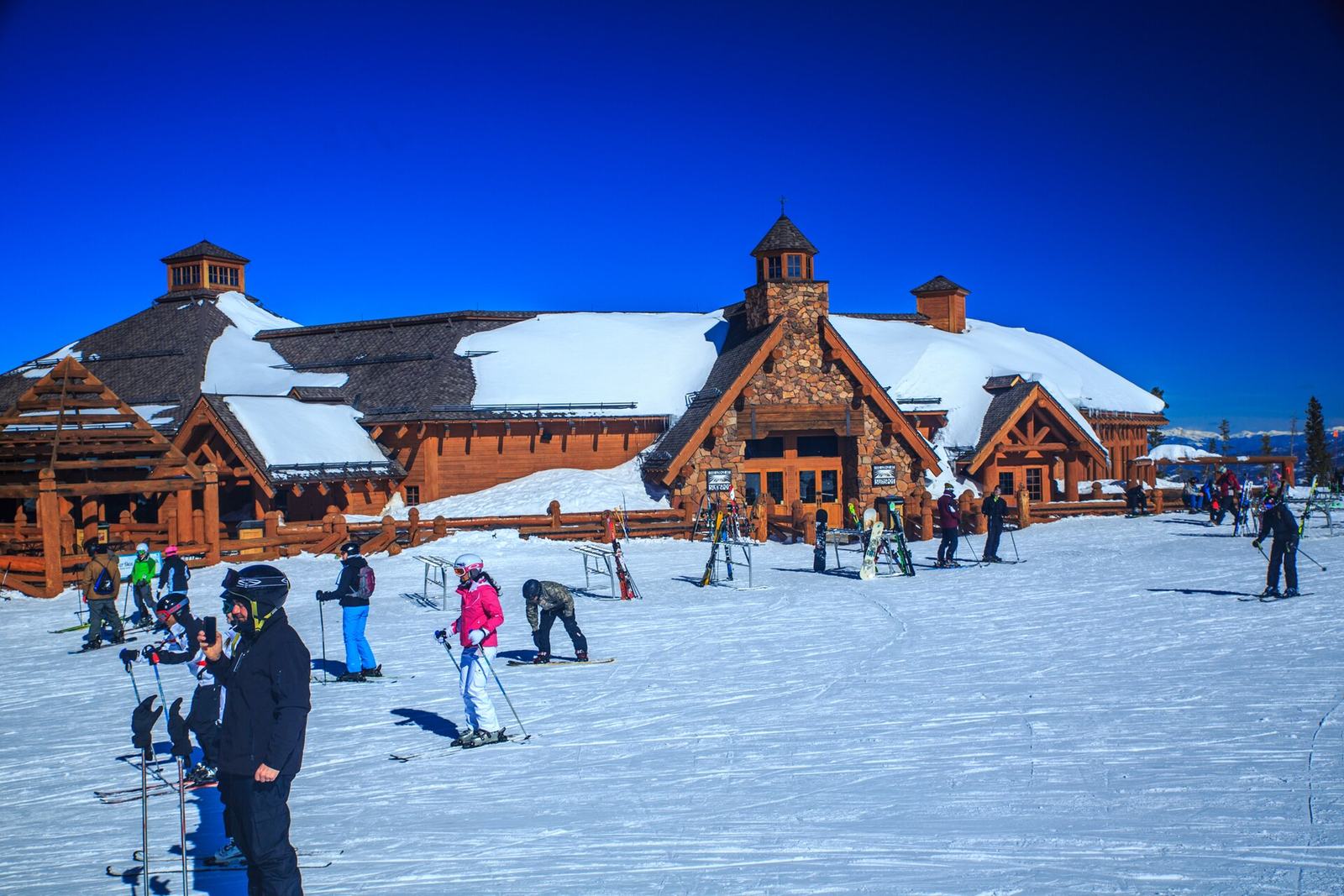
How much does a ski trip cost? Budget on roughly $800–$1,500 per person for a three-to-four day domestic trip done cheaply, $1,500–$3,000 mid-range, and $3,000–$6,000 and up staying slopeside at a marquee resort. The national average lands near $322 per person per day all-in, but the real range runs from about $60 a day at a small local hill to well over $500 at Vail in February.
That spread is the whole point. Skiing is not expensive or cheap — it is a sport where the same five days can cost four times as much depending on six decisions, most of which are made before you leave home. This page breaks the trip into line items, prices each one for the 2026/27 season, and says plainly which savings are real and which are false economies people talk themselves into.
Every figure here was checked on 10 September 2026. Ski pricing moves several times a season, so treat these as the shape of the budget rather than a quote.
The short answer, by trip type
| Trip | Duration | Per person | What that buys |
|---|---|---|---|
| Day trip, local hill | 1 day | $60–$150 | Lift ticket, packed lunch, fuel |
| Weekend, drive-to | 2–3 days | $400–$800 | Cheap lodging, advance tickets, own gear |
| Budget destination trip | 3–4 days | $800–$1,500 | Flights, town condo, rentals, advance tickets |
| Mid-range destination trip | 3–4 days | $1,500–$3,000 | Flights, decent lodging, lessons, eating out |
| Week, mid-range | 6–7 days | $2,500–$4,500 | The standard family ski holiday |
| Luxury | 3–4 days | $3,000–$6,000+ | Slopeside, private lessons, restaurants |
The single biggest determinant is not the resort. It is whether you are flying and whether it is a holiday week. A drive-to weekend in mid-January and a flown holiday-week trip to the same mountain differ by a factor of five, and the skiing is identical.
The line items, priced
Here is where the money actually goes on a 2026/27 North American ski trip.
| Line item | Budget | Mid-range | High end | Notes |
|---|---|---|---|---|
| Lift access, per day | $0 on a pass, $60–90 advance | $90–160 advance | $200–356 window | Window rates are a planning penalty |
| Lodging, per night | $70–120 | $120–250 | $400+ slopeside | The most compressible line |
| Ski or board rental | $35–55/day | $55–75/day | $90+/day demo | $300–500 for a week |
| Group lesson | $150–200 | $200–350 | — | Half or full day |
| Private lesson | — | — | $700–1,200/day | Worth it for stuck intermediates |
| Breakfast | $5 self-catered | $15–20 | $30+ | |
| On-mountain lunch | $10 packed | $25–35 | $60+ | The most reliably resented expense |
| Dinner | $15 cooked in | $35–60 | $100+ | |
| Flights, domestic | $150–300 | $300–500 | $600+ to a mountain airport | |
| Checked ski bag | $35–50 each way | $35–50 | — | Rose across the industry in April 2026 |
| Airport transfer, return | $80 shared shuttle | $200 rental car + fuel | $600+ private | |
| Parking | $0–20 | $20–40 | $50+ reserved | Increasingly paid, increasingly reserved |
| Clothing, if buying | $200 basic | $500–800 | $1,500+ | One-off, amortised over years |
Checked 10 September 2026 against operator-published rates across multiple resorts. Ranges are directional, not quotes.
Two entries on that table deserve a warning label. Window lift tickets at $250–$356 are the worst-value product in the sport: Jackson Hole’s walk-up passes $250 in normal season, $289 over Christmas and peaks at $356; Vail’s February window has run $307. Advance online purchase routinely costs 20–40% less, even the day before. And on-mountain food is where budgets die by a thousand cuts — a family of four eating lunch on the hill five times spends $500–$700 doing it.

Three worked budgets
Abstract ranges are less useful than a real trip with real numbers, so here are three, all four nights and four ski days, all per person, all for two adults sharing.
The $950 trip: drive-to, midweek January, Colorado
| Lift access | $0 — Epic Local pass already held, amortised elsewhere |
| Lodging, 4 nights | $360 (condo in Silverthorne, split two ways) |
| Rental gear | $0 — own skis |
| Food | $200 — supermarket, packed lunches, two dinners out |
| Fuel and parking | $90 |
| Lesson | $0 |
| Incidentals | $300 |
| Total | $950 |
This is what skiing costs for people who ski a lot. The pass is the enabling decision; everything else follows from not flying and not eating on the mountain.
The $2,300 trip: flying, mid-range, early March, Utah
| Flights | $380 return to Salt Lake City |
| Lift access, 4 days | $520 advance-purchase tickets |
| Lodging, 4 nights | $600 (hotel in Cottonwood Heights, shared) |
| Rental gear, 4 days | $200 |
| Group lesson, half day | $180 |
| Food | $420 |
| Rental car and fuel | $200 |
| Total | $2,300 |
The standard shape of a good American ski trip. Note that lift access and lodging together are half the total, which is why those two decisions dominate everything else.
The $5,400 trip: slopeside, Presidents’ Day week, marquee resort
| Flights | $650 to a mountain airport |
| Lift access, 4 days | $1,100 (holiday-week advance rates) |
| Lodging, 4 nights slopeside | $1,900 |
| Rental gear, demo | $360 |
| Private instructor, one day | $600 |
| Food and drink | $700 |
| Private transfer | $90 |
| Total | $5,400 |
Nothing here is wasted exactly, but three decisions — the holiday week, slopeside, and the mountain airport — account for about $2,500 of the difference against the trip above. The skiing is not three times better.
What actually makes a ski trip expensive?
Six decisions account for almost the entire spread between a $900 trip and a $5,000 one: when you go, whether you fly, where you sleep, whether you hold a pass, whether you eat on the mountain, and whether you own gear. The resort you choose matters far less than any of them. Nothing else — not lessons, not equipment quality, not the odd expensive dinner — moves the number comparably.
In rough order of impact:
- The week. Holiday weeks can double lodging and add 30–50% to lift tickets. Shifting one week out of a school holiday is the single largest saving available to anyone with flexibility.
- Flying versus driving. Flights plus bag fees plus a transfer plus a rental car is $700–$1,200 per person before you have skied anything.
- Slopeside versus town. Often a 2–3x multiple on lodging for a saving of 15 minutes at each end of the day.
- Pass versus tickets. From about five to seven ski days, a pass wins. Below that, advance tickets win. At the window, everybody loses.
- Cooking versus eating out. A condo with a kitchen versus a hotel room is $60–100 a day, per person, on a family trip.
- Owning versus renting gear. Roughly $300–500 a week for a family of four, and a bad deal to fix by buying if you ski once a year.
The counterintuitive one is number six. Buying gear to save on rental is usually a mistake unless you ski more than about ten days a year. Skis are the worst purchase; boots are the best one, because fit matters most and rental boots fit worst. We work through the crossover point in rent or buy ski gear and price the equipment side in ski rental cost.
Why American lift tickets cost what they do
It is worth understanding the economics, because once you do, the pricing stops looking arbitrary and starts looking like something you can route around.
The window price is a deliberate deterrent. Epic and Ikon have restructured the industry around season passes, which give operators guaranteed revenue in March for a season that has not happened yet. That is enormously valuable to a business exposed to weather. To make passes attractive, the day ticket has to look bad — so it is priced to look bad. The $356 window ticket at Jackson Hole is not a serious commercial offer; it is an argument for buying a pass.
Lift tickets subsidise, and are subsidised by, real estate. A resort with a village of condominiums makes money on lodging, food, retail and property management. The lift ticket is one line in a much larger business, and it is priced to match the customer that business wants. A resort with a parking lot and a day lodge has only the lift ticket, and prices it to fill the lot. This is the single best predictor of what a ski day will cost you, and it has nothing to do with the quality of the skiing.
Snowmaking and lifts are enormously capital-intensive. A modern detachable chairlift runs into eight figures, and a snowmaking system for a mid-sized mountain is a comparable number. Those costs are fixed, incurred before the season, and spread across however many people show up.
Labour is the other half. A ski area employs patrollers, groomers, lift operators, instructors and food staff for roughly five months a year in places where housing is unaffordable. Staff housing has become one of the industry’s largest capital costs, and it lands in the ticket price.
None of that makes a $307 ticket reasonable. It does explain why the resorts with the cheapest tickets are the ones with no village, why an advance ticket is 30% cheaper than a window one, and why the same mountain charges $89 in December and $200 in February. The honest read: you are not being gouged so much as sorted. The pricing is designed to move you into a pass, into an advance purchase, or out of the peak weeks — and taking one of those routes is exactly how you spend less.
The hidden costs nobody budgets for
The line items above are the ones people plan. These are the ones that show up on the credit card afterwards and cause the arguments.
- Parking. Increasingly paid at major resorts, increasingly reservation-only, and $20–$50 a day where it applies. Some resorts now charge for a single-occupant car and not for a full one.
- Tipping. Instructors, shuttle drivers, valets and restaurant staff. On a family week in the US this can be $150–$300, and it is invisible until it happens.
- Resort fees and equipment damage waivers. Both quietly added at the counter. The damage waiver on rental gear is usually worth taking; the resort fee is not optional.
- The thing you forgot. Goggles, gloves, sunscreen, a neck gaiter. Bought at the base area, at base-area prices, at a 200% markup. Pack properly — the ski trip packing list exists for this reason.
- Altitude. Water, ibuprofen, and occasionally a lost day. Not expensive; genuinely disruptive.
- The extra day. A closed pass, a cancelled flight, a storm. One unplanned night plus a change fee is $300–$600, and it happens often enough that a contingency line is sensible.
- Childcare that is not ski school. Evening care, non-ski days, and the toddler who is too small for the programme.
- Baggage. $35–$50 each way per checked bag after the April 2026 increases, per person, which for a family of four with ski bags is a real number.
Add 10–15% to whatever the planned budget says. It is not pessimism; it is what the trip actually costs.
The savings that actually work
Ranked by how much they save against how much they cost you in convenience or enjoyment.
Shift your dates out of a holiday week. Saves 30–50% on lodging and lift access. Costs nothing but flexibility. By a wide margin the best move available.
Buy lift access in advance. Saves 20–40% against the window. Costs five minutes online. There is no argument against this and people still fail to do it.
Stay in town and take the shuttle. Saves 30–50% on lodging. Costs 15–30 minutes a day and buys you better restaurants. Usually a net gain.
Book a condo with a kitchen. Saves $40–100 per person per day on a family trip. Costs some cooking.
Rent gear off-mountain, online, in advance. Saves 20–40% against walk-up resort rental. Costs a short detour.
Pack lunches. Saves $20–50 a day per person. Costs ten minutes each morning and a slightly sad sandwich.
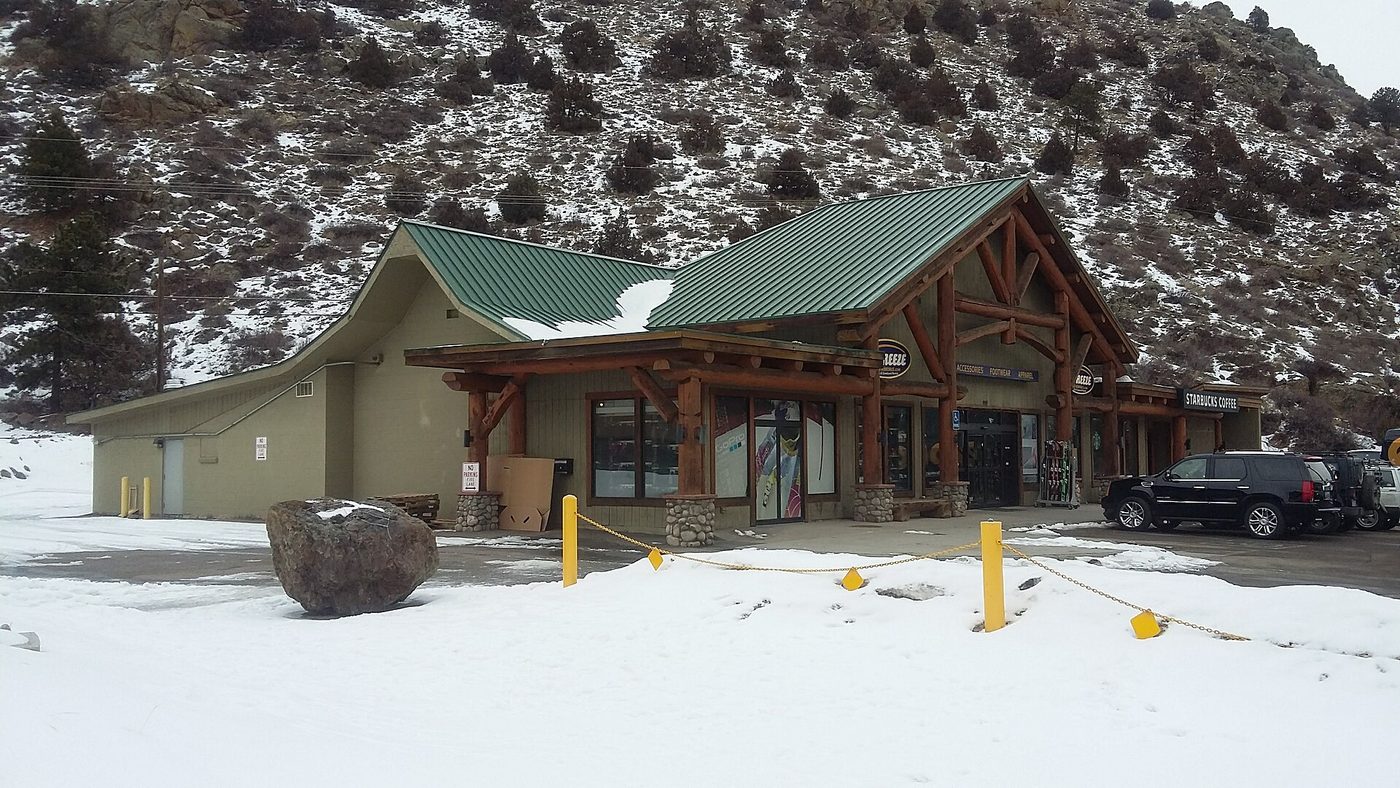
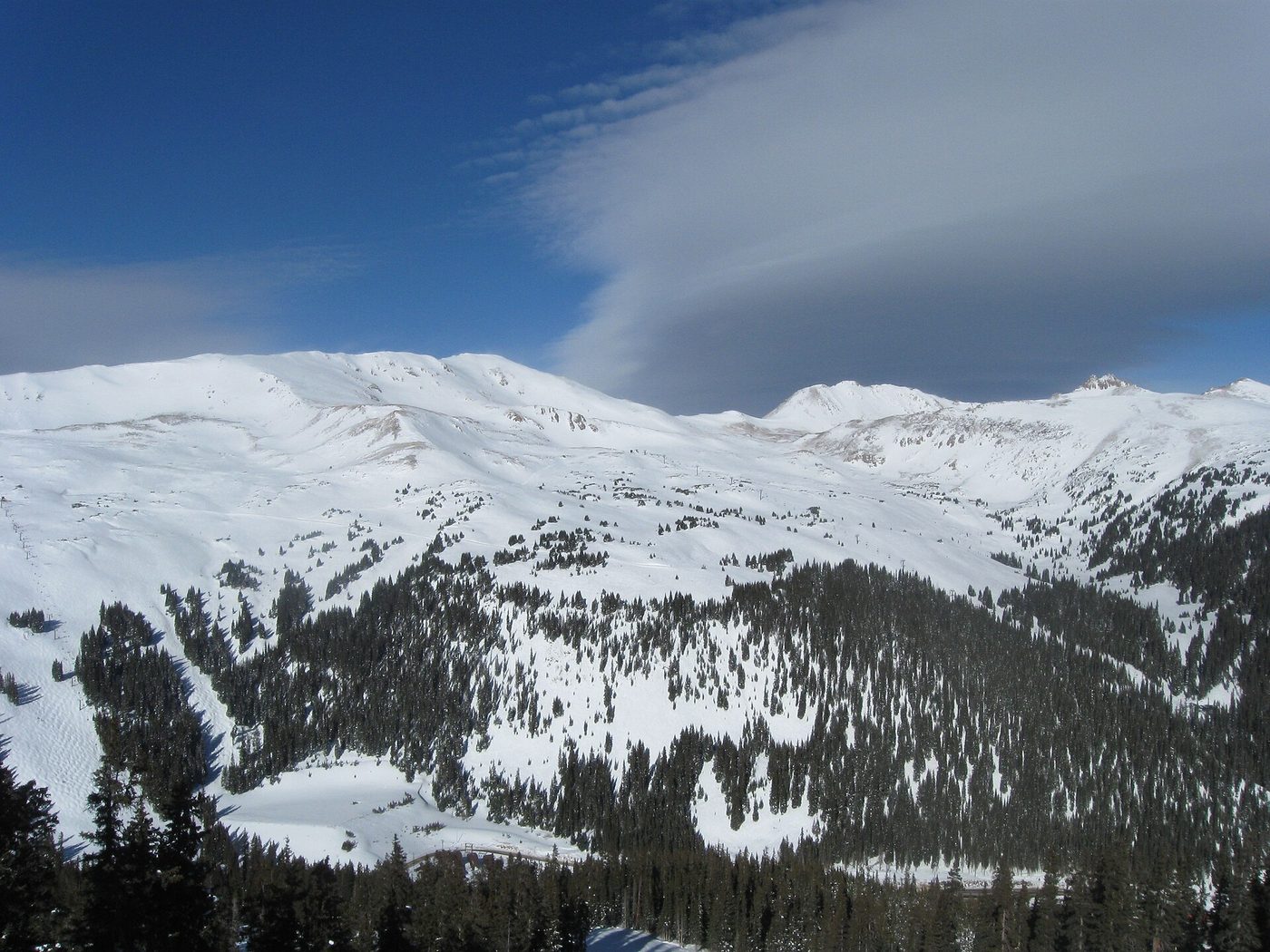
Ski a lesser-known resort. Loveland, Monarch, Powderhorn, Bogus Basin, Whitefish and dozens of others sell lift tickets for a third of what the marquee resorts charge, with no meaningful drop in the quality of the skiing for anyone below expert level. What you lose is village atmosphere and restaurant choice.
Ski midweek. Saves on lodging and costs nothing except taking leave. Sunday to Friday beats Saturday to Saturday on price, crowds and travel.
We put the whole set together into a single plan in the budget ski trip guide, and cover the cheapest resorts in detail in the cheapest ski resorts in the US.
The savings that do not work
Being useful means naming the false economies, and there are several that circulate as received wisdom.
Skipping lessons. Saves $200 and costs you three of five days stuck on the same slope, frustrated. For a beginner this is the worst trade in skiing, and it is the most common one.
Buying cheap gear to avoid renting. Saves nothing in year one and leaves you with skis that do not suit you. Rent until you know what you want.
Driving four hours each way to a cheaper resort. Saves $40 a night and costs you a full ski day across the round trip, plus fuel, plus the risk of a closed pass.
Booking the cheapest flight with a tight connection in winter. Saves $80 and occasionally costs an entire day of the trip.
Skipping travel insurance on a big trip. Saves $60 and leaves several thousand dollars of non-refundable booking exposed. See ski travel insurance.
Skimping on clothing. Cotton layers and a cheap non-waterproof jacket cost you the afternoon, every afternoon. Borrow before you buy badly — what to wear skiing covers the minimum viable kit.
Buying a season pass “just in case”. For four days or fewer at one resort, advance tickets are cheaper. Run the numbers in is a ski season pass worth it.
How much does a family ski trip cost?
Budget $4,000–$7,000 for a family of four on a mid-range week in North America, and $2,500–$4,000 for a shorter budget trip with a drive rather than flights. Children reduce some costs and inflate others: lift tickets and rentals are cheaper, but ski school for two children can add $600–$1,200 to a week and is not optional.
The family-specific arithmetic looks like this:
- Ski school is the big one. Full-day children’s programmes run $150–$250 per child per day at a major resort. Three days for two children is $900–$1,500. It is also the thing that makes the holiday work, so plan for it rather than around it.
- Kids-ski-free deals are real and materially valuable. Several states and resorts run free or heavily discounted programmes for children of certain ages, particularly in fourth and fifth grade. Where kids ski free tracks them.
- A condo beats a hotel almost immediately once there are four of you. Breakfast alone justifies the kitchen.
- Rental packages for children are cheap, often $25–35 a day, and multi-day discounts are steep.
- Non-ski costs rise. Tubing, swimming, childcare and the inevitable hot chocolate line add up in a way they do not on an adults’ trip.

The full breakdown by child age is in family ski trip cost and the wider planning in family ski vacations.
Is skiing more expensive in the US than in Europe?
Generally yes, and often substantially — particularly on lift tickets, on-mountain food and lessons. A six-day lift pass in a major French or Austrian resort typically costs less than three days at a marquee American one, and lunch on the hill in the Alps costs about a third of the American equivalent. The gap narrows once you add transatlantic flights, but a week in the Alps frequently costs less than the same week in Colorado.
Three structural reasons, none of which are about greed:
- American resorts sell an integrated product. Lift, lodging, food and rental are frequently owned by one company, and the pricing is designed to be bought as a bundle or a pass.
- European resorts sell lift access separately from a competitive local market of hotels, restaurants and ski schools. Competition holds prices down.
- The pass model has restructured American pricing. Epic and Ikon deliberately make the day ticket unattractive to drive pass sales, which is why the window rate looks absurd — it is meant to.
The catch for Americans is that European trips carry a long flight, a transfer and a currency, and the savings can evaporate in the transfer from Geneva if you book badly. Skiing in Europe is written for the US-departure version of the question, and Europe ski trip cost does the arithmetic properly.
What is the cheapest time to ski?
The second and third weeks of January, and the last two weeks of March into April. Both sit immediately after a demand peak, so lodging is discounted while the snow is still good. Early December is cheaper still, with a genuine risk of limited terrain. The most expensive periods are the fortnight from 20 December and the Presidents’ Day weekend.
The price calendar is remarkably consistent across resorts:
| Period | Lodging index | Lift tickets | Crowds |
|---|---|---|---|
| Early December | Lowest | Low | Very low |
| 20 Dec – 2 Jan | Highest | Highest | Highest |
| Mid-January | Low | Moderate | Low |
| Presidents’ Day week | Very high | High | Very high |
| Early March | Moderate | Moderate | Moderate |
| Late March – April | Low | Lowest | Low |
If you have any flexibility at all, mid-January and late March are where it pays. The cheapest time to ski has the detail, and the ski season guide explains what each window means for snow rather than price.
Regional cost differences
Not all American skiing is priced the same, and the differences are larger than most people expect.
- Colorado. The most expensive state overall for destination skiing, and also the state with the widest range — Vail and Loveland are an hour apart and differ by a factor of four on lift price. Colorado ski trip cost works through it.
- Utah. Slightly cheaper than Colorado, with the shortest airport transfers in American skiing, which quietly saves a day and a rental car.
- Montana, Idaho, Wyoming. Cheaper lift tickets, more expensive travel. Jackson is the exception on both counts.
- Lake Tahoe and California. Lodging is expensive, lift tickets are high, and drive-in access from the Bay Area keeps weekends crowded.
- New England. Cheaper lodging, comparable lift prices, minimal travel cost for the 50 million people within a day’s drive. The best value in American skiing for people who live there.
- The Midwest. Genuinely cheap, genuinely small. Lift tickets under $80 and vertical drops under 500 feet.
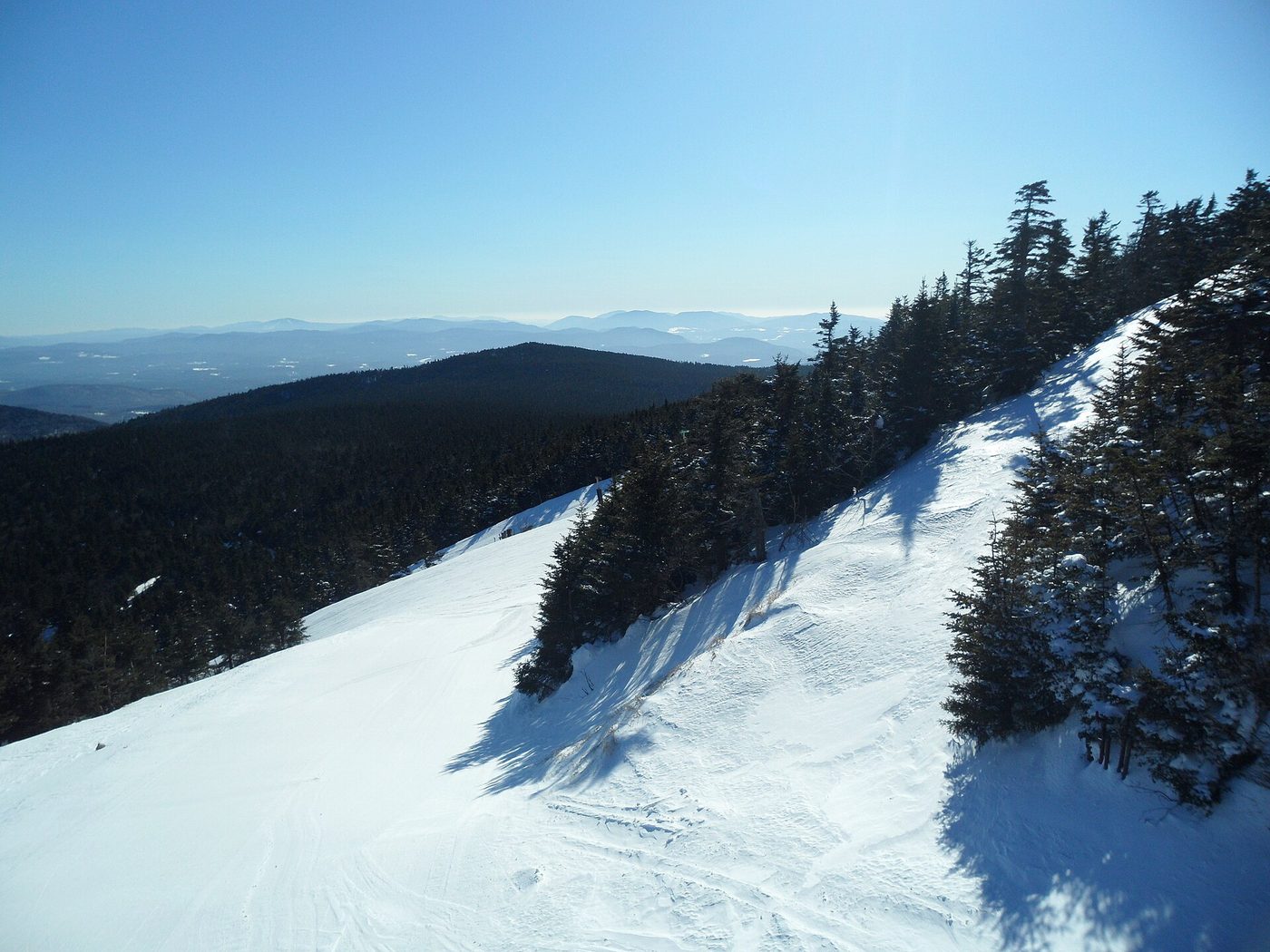
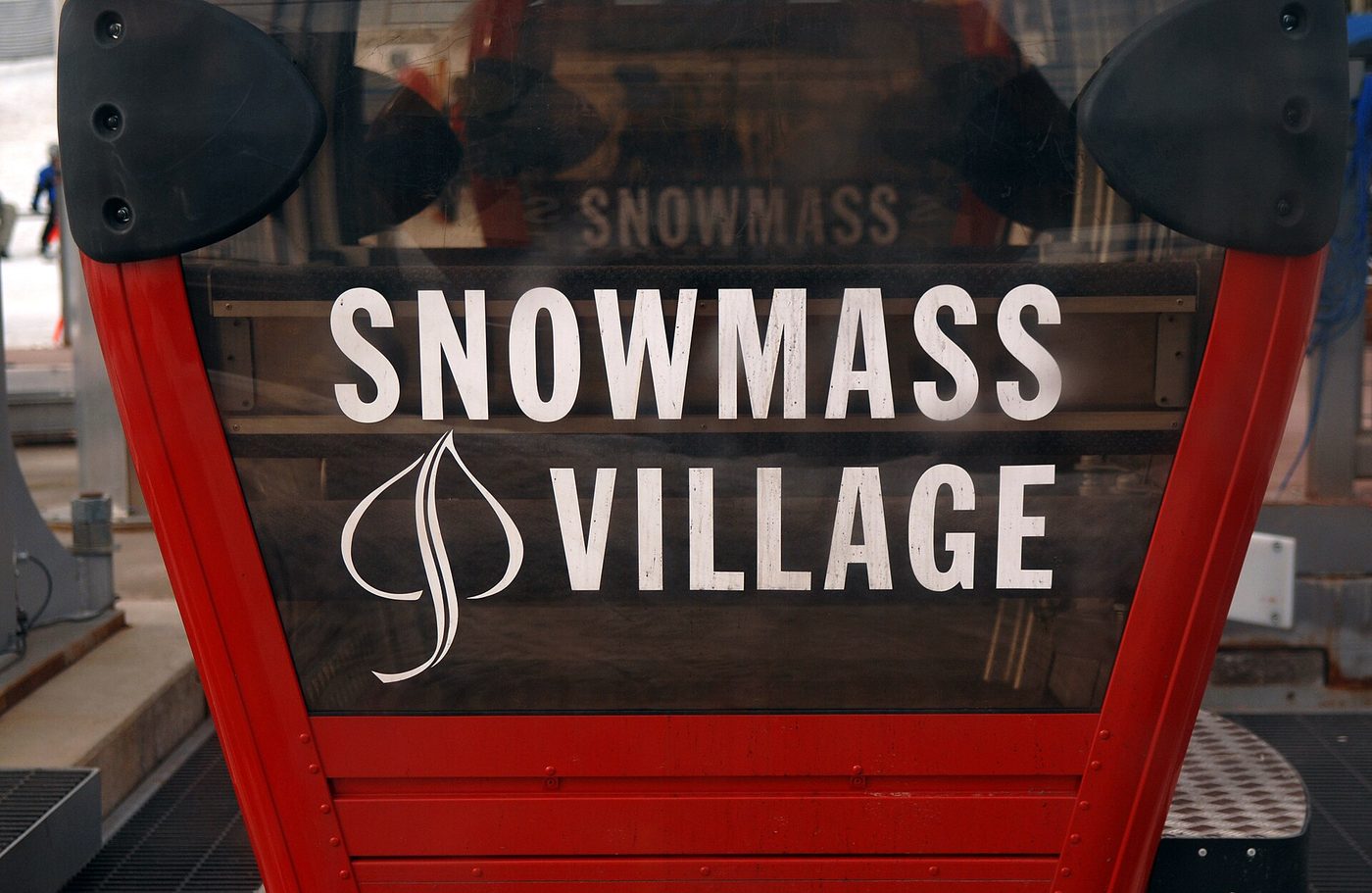
The general rule: lift ticket prices track real estate values, not mountain quality. A resort with a village full of condominiums charges accordingly; a resort with a parking lot and a cafeteria does not.
There is also a travel-cost dimension that regional comparisons usually miss. Utah looks marginally cheaper than Colorado on paper and is considerably cheaper in practice, because Salt Lake City puts you at four resorts inside an hour — no mountain-airport premium, often no rental car, and no travel day burned at either end. Colorado’s Front Range resorts are two hours from Denver on a good day and closer to four on a February Saturday, which is a real cost even though it never appears on an invoice.
The mirror image applies in the Northeast. Lift tickets in Vermont are not much cheaper than in Colorado, but for the tens of millions of people within a day’s drive there are no flights, no bag fees, no transfer and no rental car — and that removes $700–$1,200 per person from the budget before anyone buys a ticket. It is the reason a New England weekend can cost less than a single day at a marquee western resort, and the reason regional passes make so much sense there. East Coast ski resorts covers the mountains; Colorado skiing and Utah skiing cover the western comparison.
Build your own budget in ten minutes
Skip the averages entirely. This is the method, and it takes about as long as reading this section.
1. Count the ski days, not the nights. Four nights is usually three or four ski days once travel is accounted for. Write down the real number.
2. Price lift access two ways. Multiply your ski days by the advance ticket price at your target resort, then compare with the relevant pass. Take the lower. If they are close, take the pass — it also covers the next trip.
3. Price lodging per person, per night, not per unit. A $400 condo sleeping six is $67 each; a $180 hotel room sleeping two is $90 each. The headline number lies about which is cheaper.
4. Add $60 per person per day for food if self-catering with packed lunches, $110 if eating on the mountain and out in the evening. These two numbers are remarkably stable across resorts.
5. Add gear. $50 a day per adult renting, $30 per child, $0 if you own it. Subtract 20% if you book online in advance.
6. Add travel as one lump. Flights, bags, transfer or rental car, fuel, parking. This is the number people most consistently underestimate, because it arrives in five pieces.
7. Add lessons if anyone needs them. They do. $200 per beginner per day, $180 per child in a full-day programme.
8. Add 12% for the hidden costs above, and round up.
That total will be within about 10% of what the trip actually costs, which is considerably better than any per-day average will do for you. The exercise also makes the trade-offs visible: you will see immediately that moving out of a holiday week or dropping from slopeside to town saves more than every other economy combined.
One last piece of advice that saves more money than any of the above: decide the budget before you fall in love with a resort. Choosing the mountain first and then working out whether you can afford it is how people end up paying window rates in February. Working the other way round produces a shorter list and a better trip.
Frequently asked questions
How much does a 3-day ski trip cost?
Roughly $800–$1,500 per person done on a budget with advance tickets and town lodging, $1,500–$3,000 mid-range including flights and a lesson, and $3,000–$6,000 slopeside at a marquee resort in a holiday week. Lift access and lodging together are usually half the total.
How much does a lift ticket cost in 2026/27?
Advance online rates run roughly $60–$90 at value resorts and $90–$160 at major ones. Walk-up window prices at marquee resorts run $200–$356, peaking around Christmas. Buying in advance saves 20–40% and should be treated as compulsory.
Is skiing an expensive sport?
It can be, but the range is enormous. A day at a small local hill with your own gear costs under $100 all-in; a day slopeside at Vail in February approaches $500. Most of the cost is travel, lodging and timing rather than the skiing itself.
How much should I budget for food on a ski trip?
$25–$40 per person per day self-catering with packed lunches, $60–$90 eating on the mountain and out in the evening, $120+ at resort restaurants. On-mountain lunch is the single most compressible line item on the trip.
How much does ski school cost?
Group lessons run $150–$350 per day depending on resort and season; full-day children’s programmes $150–$250 per child; private instruction $700–$1,200 for a full day. Epic pass holders get 20% off group lessons through Epic Mountain Rewards.
What is the cheapest way to go skiing?
Drive rather than fly, go midweek in January or late March, stay in a valley town with a kitchen, buy lift access in advance or use a pass, rent gear online off-mountain, and pack your lunch. Applied together those change a $2,500 trip into a $1,000 one.
Do I need to tip on a ski trip?
In the United States, yes — instructors, shuttle drivers and restaurant staff all customarily receive tips, and it is a real line in the budget. Practice varies considerably in Europe and Japan. Tipping on a ski trip covers the customs and the amounts.
The bottom line
The honest answer to how much a ski trip costs is that it is almost entirely up to you, and the decisions that matter are made months before you arrive. Fix the week, fix the lift access, fix where you sleep, and the rest is noise.
Two rules cover most of it. Never pay the window price for a lift ticket — advance purchase is 20–40% cheaper and takes five minutes. And do not save money on the lesson. Of every line on the budget, that one has the worst return when cut and the best return when spent.
From here: sequence the whole booking in how to plan a ski trip, settle the pass question in the ski passes guide, pick the cheapest weeks in the ski season guide, or find the mountains that cost less to start with in the best ski resorts in the US. If you are chasing value with points rather than cash, points and miles ski trips covers that route, and the average lift ticket price tracks the headline number through the season.
All prices checked 10 September 2026 for the 2026/27 season and compiled from operators’ published rates. Ski pricing changes several times a season — confirm before booking.
The one budget line beginners should never cut is the lesson. Our guide to skiing for beginners prices the first trip properly — lessons, rentals, clothing and the learn-to-ski packages that bundle all three for less than buying them separately.
Gear is the line item people most often get backwards, buying skis they will outgrow and skimping on the boots that decide how the week feels. Our ski gear guide prices every item and identifies the crossover point where owning finally beats renting.
Lodging is the largest single line in almost every one of these budgets, and it is also the most compressible. Moving from a slopeside condo to a town hotel with a free shuttle typically saves $100 to $400 a night without costing you a single run — our guide to ski in ski out resorts and where to stay works through when that premium genuinely earns its money and when it is just a phrase on a listing.
The transport half of the budget is where most estimates go wrong by a third — not on airfare, which people research, but on rental cars, resort parking at $30 to $60 a day, and airport transfers. Our guide to ski travel logistics and flying with skis models the ground leg properly, including when a shuttle beats renting a car outright.
One structural way to cut a destination-trip budget is to cross the border. Canadian resorts price in Canadian dollars, which discounts lodging, restaurants, rentals and lessons all at once for an American, and a six-night Banff trip commonly lands 30 to 40% below a comparable Colorado week excluding flights. Our guide to the best ski resorts in Canada runs the comparison line by line.
Sources
- Epic Pass — pass pricing, Epic Mountain Rewards and Friend Tickets, checked 10 September 2026
- Ikon Pass — 26/27 pricing and access terms, checked 10 September 2026
- Indy Pass — tiers and Learn to Turn pricing, checked 10 September 2026
- National Ski Areas Association — industry economics and participation data
- Loveland Ski Area — lift ticket pricing
- Arapahoe Basin — ticket and season pass pricing
Lift ticket, lodging, rental, lesson and food ranges are compiled from operators’ published rates across multiple resorts and cross-checked; they are directional rather than quotes. Airline baggage fees reflect the April 2026 increases across major US carriers and should be confirmed with your airline.
Image credits
| Image | Photographer | Licence | Source |
|---|---|---|---|
| Winter Park day lodge (featured image) | Murray Foubister | CC BY-SA 2.0 | Commons |
| Ski rental shop, Dumont, Colorado | Xnatedawgx | CC BY-SA 4.0 | Commons |
| Loveland Ski Area, Colorado | Mitch Bennett | CC BY 2.0 | Commons |
| Telluride Mountain Village | Murray Foubister | CC BY-SA 2.0 | Commons.jpg) |
| Park City First Time lift | InSapphoWeTrust | CC BY-SA 2.0 | Commons.jpg) |
| Killington, Vermont | EgorovaSvetlana | CC BY-SA 4.0 | Commons |
| Snowmass Village gondola | William D. Moss | Public domain | Commons |